- Ambawadi, Ahmedabad, Gujarat
- View Mobile Number

Best Vane Pump Manufacturers and Suppliers in China
China offers a broad selection of Vane Pumps for hydraulic machinery, industrial equipment, and fluid transfer systems. Choosing a supplier, however, takes more than comparing catalog prices or looking at factory photographs. Details matter. A pump that performs well with clean hydraulic oil may struggle with abrasive particles or an unsuitable fluid viscosity. This guide examines Chinese manufacturers and suppliers through practical criteria, including product specifications, quality documentation, technical support, and replacement-part availability. The aim is to help buyers build a shortlist based on evidence they can check.
Start with your operating conditions: required flow, working pressure, fluid type, temperature range, and expected duty cycle. For hydraulic applications, ask whether published performance curves specify oil viscosity, rotational speed, and test temperature. These conditions affect results. Check displacement options, shaft dimensions, mounting interfaces, seal materials, and compatibility with your existing equipment. Request a sample inspection report and confirm that any certification covers the actual manufacturing site. A certificate alone cannot establish pump reliability, especially when the supplied model differs from the model represented in supporting documents.
Price still matters, and a lower quotation can deserve consideration when the supplier clearly explains its materials, testing procedures, and warranty terms. Yet an attractive sample does not guarantee consistent production. That uncertainty deserves attention. Ask how the supplier handles batch traceability, defective units, spare cartridges, and delivery delays before committing to volume purchases. No single manufacturer suits every application. The strongest choice is the supplier whose documented capabilities match your operating requirements and whose answers remain specific when questions become difficult.
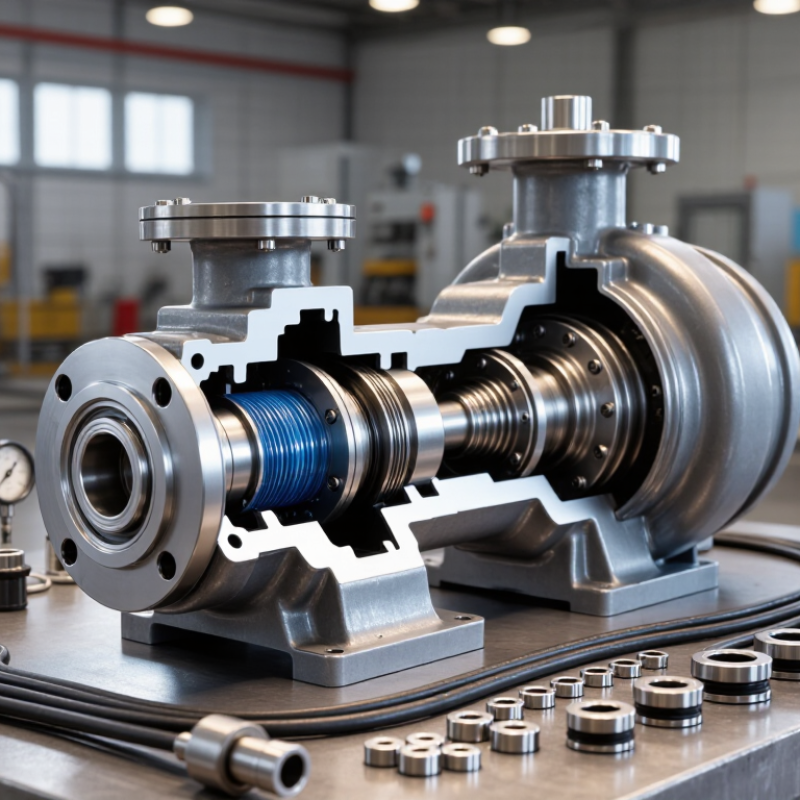
Vane Pump Types, Operating Principles, and Industrial Applications
Vane pumps move fluid using sliding vanes fitted into a rotating rotor. As the rotor turns, chamber volumes expand to draw oil in, then shrink to discharge it. Common hydraulic designs include unbalanced, balanced, and variable-displacement configurations. Balanced pumps use opposing pressure zones to reduce radial loads on the shaft. Variable-displacement models adjust cam-ring eccentricity, changing delivery to match demand. Selection involves tradeoffs. A simpler fixed-displacement pump may suit a steady load better than an adjustable unit.
Industrial applications include machine tools, injection molding equipment, and hydraulic power units for material handling. A machine-tool clamping circuit, for example, needs predictable pressure and controlled flow rather than maximum output alone. Clean oil matters. Fine particles can score the cam ring and interfere with vane movement. Cold, thick oil can also restrict inlet flow, causing noise and delayed pressure buildup. Noise can mislead. It may indicate inlet restriction, air entering the suction line, or a worn component rather than one obvious fault.
When comparing manufacturers and suppliers in China, request performance curves, recommended viscosity ranges, filtration requirements, and test conditions. Check whether quoted flow applies at your intended pressure, oil temperature, and shaft speed. A catalog’s nominal rating does not establish performance throughout the operating range. Efficiency claims deserve scrutiny, especially when supporting data omit oil temperature or distinguish poorly between volumetric and overall efficiency. Ask for dimensional drawings and documented acceptance criteria before approving a production sample.
| Pump Type or Configuration | Operating Principle | Displacement and Flow Control | Key Characteristics | Typical Industrial Applications | Selection Considerations |
|---|---|---|---|---|---|
| Unbalanced Fixed-Displacement Vane Pump | A slotted rotor turns inside an eccentric circular cam ring. Sliding vanes form chambers that expand to draw in fluid and contract to discharge it. | Displacement per revolution is fixed. Delivered flow depends mainly on shaft speed and internal leakage. | Typically has one inlet region and one discharge region per revolution. Unequal pressure around the rotor produces a net radial load on the shaft and bearings. | Lubrication circuits, fluid-transfer duties, and hydraulic systems operating within the pump's rated pressure range. | Check allowable pressure, bearing loads, inlet conditions, fluid compatibility, viscosity range, and permitted operating speed. |
| Balanced Fixed-Displacement Vane Pump | A rotor operates inside a cam ring with two pumping lobes. Opposed inlet and discharge regions substantially balance hydraulic radial forces on the rotor. | Displacement per revolution is fixed. Flow changes primarily with shaft speed; system valves control how that flow is used. | Reduced hydraulic radial loading supports higher-pressure operation than comparable unbalanced designs. Actual pressure capability depends on the specific pump construction. | Injection molding machines, machine tools, hydraulic presses, and other industrial hydraulic power units. | Compare continuous and intermittent pressure ratings, efficiency at the intended duty point, noise data, filtration requirements, and service access. |
| Pressure-Compensated Variable-Displacement Vane Pump | A movable cam ring changes its eccentricity relative to the rotor. A pressure compensator reduces eccentricity as outlet pressure approaches the selected setting. | Displacement adjusts to system demand. At the compensation setting, the pump reduces delivery toward the flow needed to maintain pressure and compensate for leakage. | Can reduce excess flow and associated heat during pressure-holding periods. Standby operation still consumes power. | Machine-tool clamping, fixture systems, hydraulic power units, and equipment with alternating movement and pressure-holding cycles. | Check the adjustment range, control response, standby power, minimum speed, pressure stability, and case-drain requirements where applicable. |
| Double or Tandem Vane Pump Assembly | Two pumping sections share a common drive. Their outlets can supply separate circuits or be combined through an appropriately designed hydraulic circuit. | Each section has its own displacement. Fixed-displacement sections deliver flow in proportion to shaft speed, allowing different flow requirements to be served from one drive. | This is an assembly configuration. With suitable unloading valves, two sections can provide combined flow for rapid movement and reduced flow for higher-pressure work. | Hydraulic presses, injection molding machinery, material-handling equipment, and machines with multiple hydraulic functions. | Verify each section's pressure rating, combined input torque, shaft capacity, inlet capacity, outlet arrangement, and unloading circuit design. |
Scope: This comparison covers hydraulic vane pumps relevant to industrial sourcing in China. It describes established pump designs and typical applications without ranking suppliers or presenting company-specific performance claims.
Operating principle: Hydraulic vane pumps are positive-displacement pumps. They deliver fluid flow; outlet pressure develops as the hydraulic circuit resists that flow. Appropriate overpressure protection is required.
Procurement checks: Request documented displacement, rated flow at a stated speed and pressure, continuous pressure limits, fluid and viscosity requirements, cleanliness requirements, mounting dimensions, shaft details, and performance curves. Numerical limits must be verified for the specific pump being purchased.
Related Posts
-
Unlocking Efficiency: The Advantages of Choosing the Best Gear Pumps for Your Business
-
How to Choose the Right Pump Motors for Your Needs?
-
How to Choose the Right Hydraulic Gear Motor for Your Needs?
-

Unlocking the Advantages of Hydraulic Pumps for Enhanced Operational Efficiency
-
7 Strategies from Best Pump Manufacturers to Boost Your Efficiency
-
Best Hydraulic Control Valve Manufacturers in China
