Why Is 358 Fence the Top Choice for Global Buyers?
Global buyers increasingly choose 358 fence for sites requiring strong protection, clear visibility, and long service life. Its narrow 76.2 mm by 12.7 mm mesh makes climbing, cutting, and passing objects through the panel difficult. The rigid welded structure also resists repeated pressure better than many ordinary chain-link systems.
Perimeter-security specialist James R. Allen says, “A reliable fence should delay intrusion while allowing people and cameras to see clearly.” This principle explains the product’s appeal around warehouses, airports, data centers, schools, utilities, and industrial compounds. I have seen properly installed panels maintain alignment beside dusty access roads and busy vehicle gates. Small details matter. Correct post spacing matters. So does professional anchoring.
The best 358 fence is not automatically the cheapest option. Its value depends on wire diameter, coating quality, foundation design, gate integration, and local environmental conditions. Hot-dip galvanized steel can improve corrosion resistance, while powder coating adds appearance and another protective layer. Still, no fence provides complete security alone. Lighting, surveillance, access control, and regular inspections remain necessary.
Buyers should request material certificates, coating specifications, welding details, and installation references. They should also confirm that the design meets applicable local standards and project requirements. That step is sometimes overlooked. It should not be.
For global purchasers, 358 fence offers a practical balance of visibility, strength, durability, and controlled maintenance. Yet informed decisions require more than a product label. They require evidence, competent installation, and honest evaluation of each site’s risks.
358 Fence: Definition and the Meaning of Its 76.2 × 12.7 mm Mesh
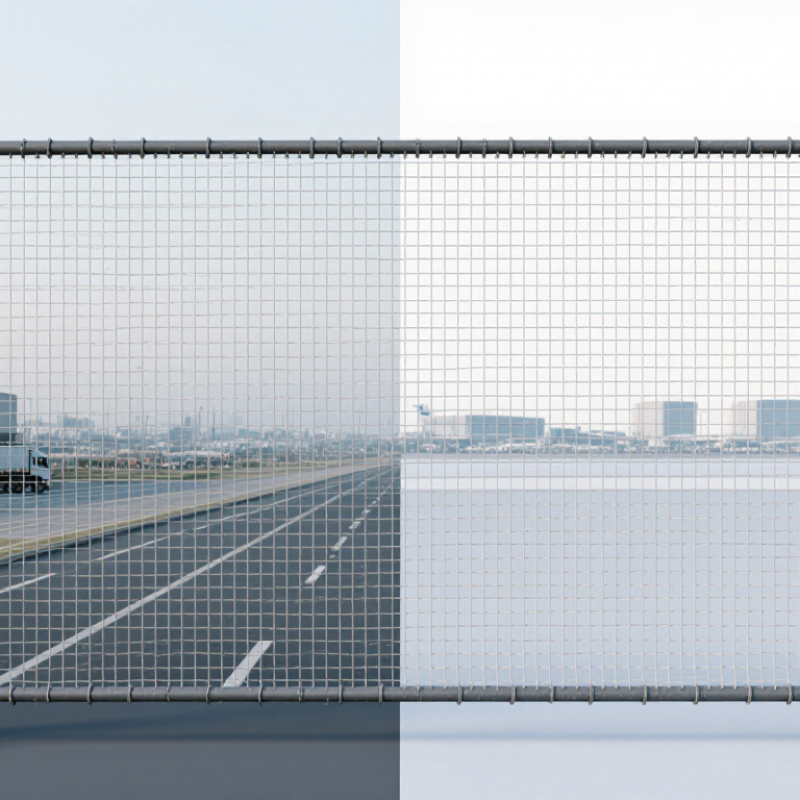
358 fence is a high-security welded mesh system designed for strong perimeter protection. The name “358” describes its mesh dimensions in inches: 3 inches by 0.5 inches. In metric terms, this equals 76.2 × 12.7 mm. The opening is narrow and rectangular, making it difficult to grip, climb, or cut through with ordinary hand tools.
The wires are commonly welded at every intersection. This creates a rigid panel with limited movement. A typical panel uses wire around 4 mm in diameter, although specifications may differ by supplier and project. Buyers should check the approved drawing, wire tolerance, coating thickness, and weld quality. Numbers alone are not enough.
It also supports clear visibility. Security staff can inspect the area without a heavily blocked view. The panels suit industrial sites, transport facilities, utility areas, and restricted compounds. Installation quality remains critical. Poorly aligned posts, weak anchors, or unprotected cut edges can reduce performance. I have seen projects focus heavily on mesh size while overlooking drainage and foundation depth. That is an easy mistake. Coastal environments may require stronger corrosion protection, while inland sites may need a simpler finish. The correct 358 fence depends on exposure, risk level, and local engineering requirements.
How ISO 1461 Galvanizing Supports Long-Term Corrosion Protection
Why Is 358 Fence the Top Choice for Global Buyers?
How ISO 1461 Galvanizing Supports Long-Term Corrosion Protection
358 fence is known for its narrow openings and rigid welded structure. Yet steel strength alone cannot stop corrosion. Long service life begins with proper surface protection. ISO 1461 provides requirements for hot-dip galvanizing on fabricated iron and steel products. During this process, cleaned steel enters molten zinc. A metallurgical bond forms between the zinc and the steel surface.
The coating contains zinc-iron alloy layers and an outer zinc layer. Together, they create a durable barrier against moisture, salts, and industrial exposure. Zinc also offers sacrificial protection. If a small area is scratched, nearby zinc corrodes first. The steel receives useful protection.
This matters at welds, corners, and narrow panel edges. These areas often collect water and dirt. ISO 1461 includes coating thickness expectations, visual checks, and testing procedures. Inspectors can measure coating thickness at several points, not just one convenient location. Practical inspections should also check bare spots, lumps, drainage marks, and damaged handling areas.
It is not a perfect shield.
Poor cleaning can weaken adhesion. Improper storage can create white rust before installation. Cut edges may also need suitable repair treatment. These details are easy to overlook, especially on large projects. In my view, reliable corrosion protection depends on both compliant galvanizing and careful site handling. That combination helps 358 fence remain stable, functional, and visually acceptable across demanding climates.
Where 358 Mesh Meets EN 10223-7 and International Fence Standards
Why Is 358 Fence the Top Choice for Global Buyers?
Where 358 Mesh Meets EN 10223-7 and International Fence Standards
358 mesh is widely selected for sites needing strong visibility and restricted access. Its typical 76.2 × 12.7 mm openings make climbing and cutting more difficult. The panel design also supports clear camera views and regular inspection. Under EN 10223-7, welded panels are assessed through requirements for wire, welding, dimensions, tolerances, and protective coatings. These details matter during purchasing. A panel may look identical in a catalogue, yet differ in wire diameter, weld quality, or zinc protection. Small differences can affect service life.
Tips: Request dimensional drawings, coating data, weld inspection records, and test documents. Check whether the stated standard covers the complete panel system. It may not cover posts, fixings, gates, or installation conditions. Ask for samples when possible. Measure them.
International buyers should also compare EN 10223-7 with local project specifications and climate conditions. Coastal air, industrial dust, and frequent rainfall can change coating requirements. Galvanized steel may need an additional protective finish in aggressive environments. Installation quality is equally important. Uneven foundations can create panel stress and unwanted gaps. It is easy to focus on mesh size and overlook drainage, corner details, or fasteners. That approach needs reconsideration. A reliable 358 fence is not defined by one number; it depends on verified materials, accurate fabrication, suitable protection, and controlled installation.
Why Global Buyers Compare Security, Lifespan, Installation, and Cost
Why Is 358 Fence the Top Choice for Global Buyers?
Global buyers often compare security before appearance. A 358 fence uses narrow openings, commonly about 76.2 by 12.7 millimeters. The tight mesh makes climbing difficult and limits hand access. A 4-millimeter wire also resists casual cutting better than ordinary chain-link fencing. Still, no fence is completely secure. Gates, hinges, and nearby structures can create weak points.
Lifespan depends on steel quality, coating, drainage, and installation conditions. Hot-dip galvanizing or a protective powder coating can reduce corrosion in wet environments. However, coastal air, industrial pollution, and standing water require closer inspection. Experienced installers check post alignment, concrete depth, and soil movement before fixing panels. Small installation errors can cause larger maintenance problems later. That lesson is easy to overlook.
Installation may cost more because the panels are rigid and the posts need accurate spacing. Yet the system can reduce future repairs and replacement work. Buyers should compare total ownership cost, not only the price per meter. Ask for coating specifications, wire tolerances, load information, and practical warranty terms. Local labor rates also change the final budget. A low quotation may exclude foundations, transport, gates, or ground preparation. Careful comparisons often reveal those missing details.
Why Is 358 Fence the Top Choice for Global Buyers? — Comparing Security, Lifespan, Installation, and Cost
| Fence Type | Typical Panel / Wire Configuration | Security Level | Anti-Climb Performance | Typical Service Life* | Installation Considerations | Relative Material Cost* | Common Applications |
| 358 Security Mesh | Approx. 76.2 × 12.7 mm mesh; commonly 4 mm horizontal and vertical wires | Very High | Small apertures make footholds and handholds difficult to obtain; climbing aids are also harder to pass through | 15–30 years | Lightweight panels can be installed efficiently, but precise post alignment, secure fixings, and high-quality foundations are important | Medium–High | Critical infrastructure, utilities, airports, data centers, prisons, railways, and high-security sites |
| 2D Twin-Wire Welded Mesh | Commonly 6/5/6 mm or 8/6/8 mm twin horizontal wires with larger rectangular apertures | High | More difficult to cut and climb than basic wire mesh, although larger apertures may provide more purchase than 358 mesh | 15–25 years | Rigid panels are relatively straightforward to handle; heavier wire configurations may require additional labor and stronger posts | Medium | Schools, commercial properties, industrial compounds, warehouses, and residential developments |
| Chain-Link Fencing | Typically 40–ด? mm mesh with steel line wires and posts; specifications vary widely | Medium | Can usually be climbed more easily than rigid anti-climb mesh unless fitted with additional security measures | 10–20 years | Fast and flexible to install on varied terrain; tensioning and corner bracing are required for a stable system | Low | General boundary fencing, sports grounds, farms, temporary works, and lower-risk industrial sites |
| Palisade Fencing | Vertical steel pales, commonly with rolled or pointed tops and horizontal rails | High | Strong visual deterrence and difficult to force, but rail and pale geometry can influence climb resistance | 15–30 years | Installation is more component-intensive; accurate post spacing and robust foundations are needed for heavy panels | Medium–High | Industrial estates, warehouses, transport facilities, public utilities, and high-risk commercial sites |
| Decorative Steel Fencing | Welded bars, rails, and decorative elements; dimensions and profiles vary by design | Medium | Provides a visible boundary but may offer footholds depending on bar spacing and ornamental details | 15–30 years | Panel weight, customized sections, finish protection, and decorative gates can increase installation time | Medium–High | Residential developments, parks, offices, public buildings, and architectural projects |
Notes: The figures above are typical industry ranges for properly specified steel fencing systems using galvanized or galvanized-and-polymer-coated components. Actual service life and cost depend on steel thickness, coating system, corrosive environment, foundation conditions, height, gates, labor, transport, and local standards. Relative material cost is a general comparison only: Low = 1, Medium = 2, Medium–High = 3, High = 4.

