Why Choose a Piston Pump for Your Next Project?
In the world of fluid handling, the proper selection of equipment is crucial. Piston pumps are frequently chosen for their efficiency and performance across various industries. According to a recent report by the Hydraulic Institute, the global piston pump market is projected to reach $10 billion by 2027, reflecting a growing reliance on this technology.
Industry expert Dr. William Hartman states, "The versatility of piston pumps makes them a preferred choice in demanding applications." His insights highlight that these pumps offer reliability in the transfer of liquids, even under high pressure. For instance, in oil and gas operations, piston pumps are essential for various processes, ensuring consistent flow rates.
However, it is vital to consider the specific needs of each project. Overlooking the application-specific features of piston pumps can lead to inefficiency. By understanding the benefits and limitations, professionals can better harness the power of piston pumps for heightened performance and sustainability.
Benefits of Piston Pumps in Various Applications
Piston pumps are gaining traction across various industries. Their design allows for high pressure and precise flow control. This makes them ideal for applications like hydraulic systems and high-viscosity fluid transfers. They perform reliably under challenging conditions. Many users appreciate their durability and efficiency.
In the construction sector, piston pumps manage concrete and other thick materials effectively. They ensure consistent flow rates, helping projects stay on schedule. Users often find that maintenance, while necessary, can be quite straightforward. Understanding the mechanics can reduce repair costs.
Piston pumps also excel in the automotive industry. They play a crucial role in fuel injection systems, providing the necessary pressure for optimal performance. However, the complexity of maintenance can be daunting for some. Proper training and experience are essential for handling these pumps efficiently. A well-informed approach can prevent potential issues and enhance performance.
Comparison of Piston Pumps to Other Pump Types
When choosing a pump for industrial applications, it’s crucial to understand the differences between piston pumps and other types. Piston pumps are known for their high efficiency and ability to handle viscous fluids. According to a recent market report, piston pumps can achieve up to 90% volumetric efficiency, significantly outperforming gear and diaphragm pumps in many scenarios.
However, not every application fits the strengths of piston pumps. They can be more expensive to maintain. Some models may require frequent overhaul due to wear on components like seal and piston rings. Data from industry experts indicate that the total cost of ownership for these pumps is higher than for comparable models in some cases. It's essential to weigh initial costs against long-term reliability.
While rotary pumps are favored for their continuous flow, they may struggle with solid-laden fluids. Piston pumps can effectively manage these materials, offering a unique advantage in certain situations. However, this also raises questions about the potential for cavitation and air locking under certain conditions. Emphasizing the right application for each pump type is vital for optimal performance and operational efficiency.
Why Choose a Piston Pump for Your Next Project? - Comparison of Piston Pumps to Other Pump Types
| Pump Type |
Flow Rate (GPM) |
Pressure Range (psi) |
Efficiency (%) |
Maintenance Level |
| Piston Pump |
1 - 100 |
500 - 5000 |
85 - 95 |
Moderate |
| Centrifugal Pump |
5 - 500 |
20 - 200 |
60 - 80 |
Low |
| Gear Pump |
0.1 - 100 |
30 - 3000 |
70 - 90 |
Moderate |
| Diaphragm Pump |
0.5 - 50 |
10 - 1000 |
75 - 90 |
High |
| Peristaltic Pump |
0.1 - 60 |
5 - 250 |
70 - 80 |
Low |
Key Features and Technologies in Piston Pumps
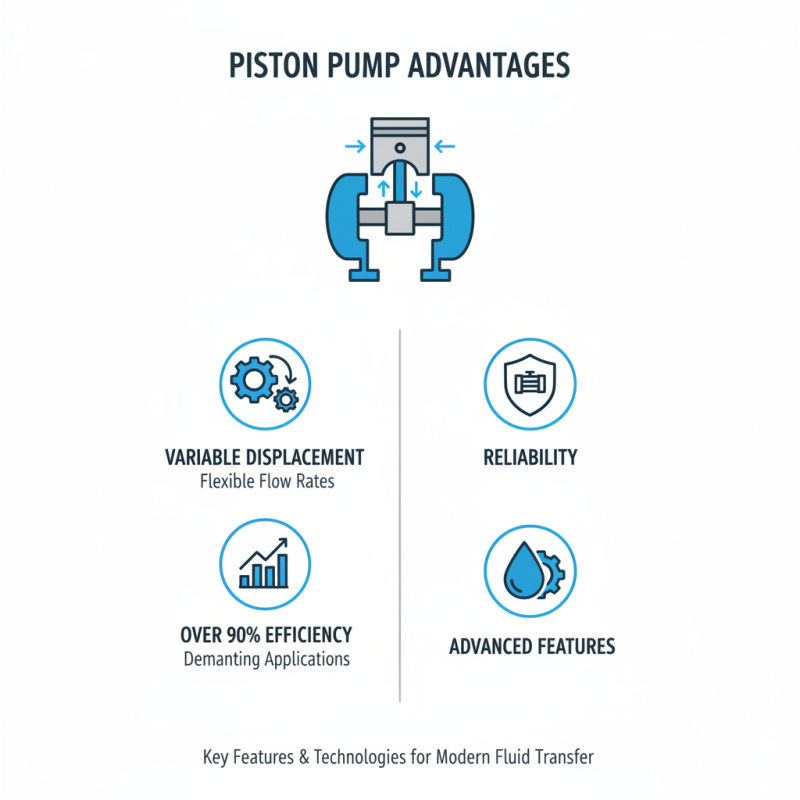
Piston pumps are increasingly favored in various industries due to their advanced features and reliability. These pumps utilize a reciprocating mechanism to move fluids efficiently. One key technology is the variable displacement feature, which allows for flexibility in flow rates. According to a recent industry report, piston pumps can achieve efficiencies over 90%, making them ideal for demanding applications.
Another essential aspect is their durable construction. Typically, piston pumps are made from high-strength materials, enabling them to handle abrasive fluids and high pressures. In fact, research indicates that these pumps maintain performance even under extreme conditions. This durability, however, can result in higher initial costs. Businesses must weigh the benefits against the investment.
Maintenance is also a critical factor. While piston pumps require regular checks, advances in monitoring technologies are helping companies manage this process. IoT sensors can track performance in real-time, alerting operators to potential issues before they escalate. Despite these improvements, some users report a steep learning curve when integrating new technologies. Balancing efficiency and operational complexities is key for successful implementation.
Considerations for Selecting a Piston Pump
When selecting a piston pump for your next project, several key considerations come into play. First, understand the type of fluid being pumped. Piston pumps excel with viscous fluids, as their design allows for efficient delivery. According to industry reports, they can handle pressures up to 5,000 PSI, making them suitable for demanding applications. Also, consider the pump's efficiency, which can reach over 90% in certain designs.
Think about the maintenance requirements. Piston pumps may have higher wear rates, especially in rugged conditions. Regular maintenance can extend their lifespan but requires planning and resources. It's essential to factor this into your project timeline and budget.
Tips:
1. Assess your fluid’s characteristics before choosing a pump.
2. Regularly check seals and packing to avoid leaks.
3. Consider the space available. Some piston pumps need more room than others.
A third factor is the operational environment. High temperatures or corrosive substances can affect pump performance. While piston pumps are versatile, they are not always the best choice for every setting. Weigh the pros and cons carefully.
Advantages of Piston Pumps in Various Applications
Maintenance and Longevity of Piston Pumps
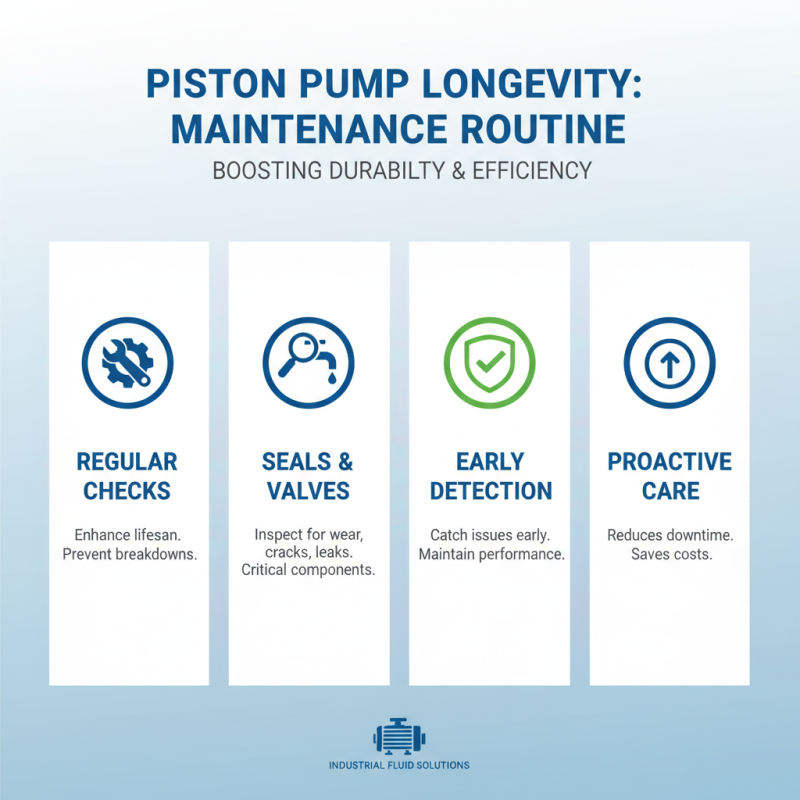
Piston pumps are known for their durability and efficiency. When focusing on maintenance, regular checks can enhance their longevity. Many users overlook simple tasks, like checking seals and valves. These components wear out over time. Neglecting them can lead to decreased performance. Routine inspections can catch these issues early.
Another important aspect is lubrication. Proper lubrication reduces friction and wear. Yet, some operators may use inappropriate lubricants, which can be counterproductive. Using the correct lubricant promotes smoother operation and extends the pump's life. Cleaning the pump regularly is also crucial. Dirt and debris can accumulate, hindering its effectiveness.
Having expertise in piston pump maintenance matters. Understanding how the pump operates can help troubleshoot problems. However, experience differs among users. Some may find it challenging to identify potential failures. Training and resources can bridge this gap. Those committed to learning can ensure their piston pumps remain effective and reliable.