Where to Buy the Best Expulsion Fuses in China?

Finding the best Expulsion Fuses in China starts with your application, not a supplier’s broadest catalog. These devices are used in overhead distribution systems to interrupt certain fault currents, but ratings and construction must match the installation. A fuse that looks suitable on paper may still be wrong for the voltage class, available fault current, or local operating conditions.

Check the fundamentals carefully. Confirm rated voltage, continuous current, interrupting capacity, mounting arrangement, and coordination with upstream and downstream protection. Ask suppliers for current product datasheets, test reports, material details, and clear traceability information. Standards and acceptance requirements can vary by project, so have a qualified electrical engineer verify the specification before ordering. Small details matter. Even the cutout interface and the specified fuse link can affect compatibility.

China has many electrical-equipment manufacturers and exporters, but a polished website is not proof of consistent quality. Compare suppliers by technical documentation, manufacturing capabilities, inspection procedures, sample availability, and experience with comparable utility or industrial projects. Request written confirmation of lead times, packaging, warranty terms, and after-sales support. If possible, review independent inspection results or arrange a factory assessment through a qualified party. That takes time. It may prevent costly mismatches later.

The best source is the one that can answer precise engineering questions and support its claims with verifiable records. Do not choose on price alone. A lower quote may omit testing, accessories, or service details. Treat every offer as something to check, not simply trust.
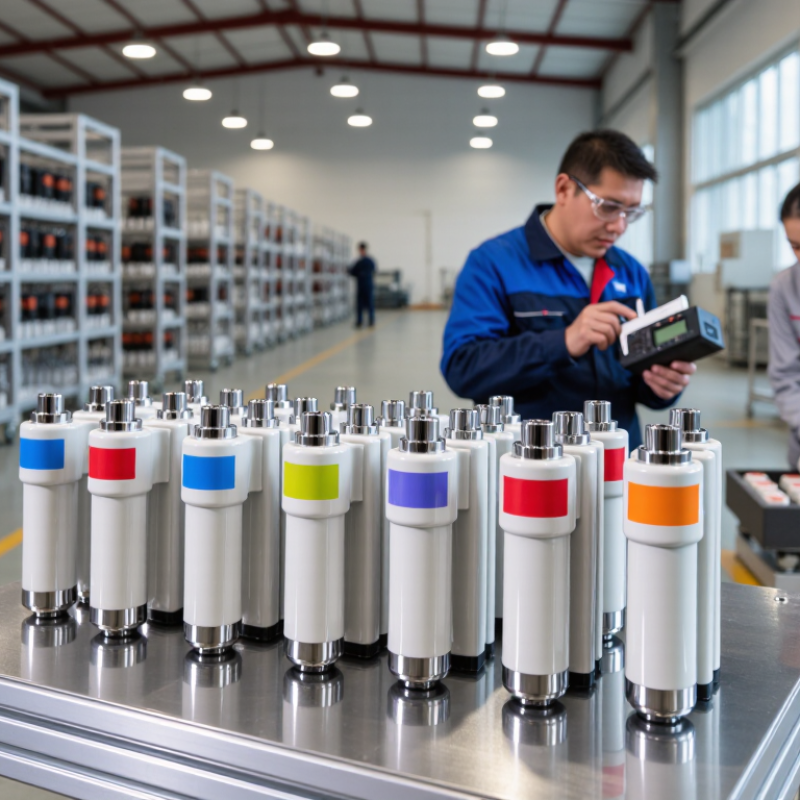
Where to Buy the Best Expulsion Fuses in China?

Understanding Expulsion Fuses and Their Key Specifications

An expulsion fuse interrupts overcurrent by melting its fuse link and driving an arc through a gas-producing tube. It is commonly used on overhead distribution lines and transformer branches. The rating must match the system, not just the equipment nameplate. Check rated voltage, continuous current, and interrupting capacity against the available fault current. Fit matters. Confirm the fuse cutout’s dimensions and the fuse link’s type and length; a mismatch can prevent reliable operation.

For outdoor use, review insulation level, pollution conditions, altitude, and the expected temperature range. Ask suppliers in China for test reports, material details, traceability, and evidence that the product meets the applicable standards for your project. A sample and dimensional drawing can help confirm fit before a larger order. A catalog alone is not enough. Specifications can look complete while leaving out a detail that matters in service, so clarify any unclear test conditions in writing. Selection should be checked by a qualified power engineer against the actual network data.

Identifying Chinese Manufacturers and Authorized Suppliers

When sourcing expulsion fuses in China, compare manufacturers by engineering capability, not just price. Ask for technical datasheets showing rated voltage, current, breaking capacity, and fuse-link compatibility. Check that drawings match the actual cutout, including mounting dimensions and insulator material. Details matter.

Request recent type-test reports, routine inspection records, and traceable production dates. A credible manufacturer should explain how it controls assembly, contact pressure, and porcelain or polymer inspection. If buying through a supplier, ask for written authorization and documents identifying the actual factory and product origin. Verify these details directly with the manufacturer where possible. Not always easy.

Before placing a large order, review a sample and clarify packaging, lead time, warranty terms, and procedures for handling defects. Ask how the supplier protects ceramic components during transport; a cracked insulator may not be obvious in a carton photograph. Have a qualified power-system engineer confirm that the selected fuse suits the installation and local utility requirements. A polished catalogue is useful, but it cannot replace test evidence or careful specification checks. If documents are incomplete, pause and ask precise questions rather than assuming the supplier has verified everything.

Where to Buy the Best Expulsion Fuses in China? – Identifying Chinese Manufacturers and Authorized Suppliers

The most suitable source depends on the required voltage class, fuse-link characteristics, cutout compatibility, delivery needs, and verification documents. The entries below describe supplier types and checks—not endorsements of specific businesses.

Sourcing Route Best Suited For Information to Specify Documents and Evidence to Request Key Verification Steps
Chinese manufacturer selling directly Project orders, custom requirements, or buyers seeking direct technical discussion with the production source. System voltage; rated voltage; rated current; interrupting requirements; fuse-link type and speed; mounting or cutout interface; quantity; destination market. Current datasheets; dimensional drawings; routine and type-test reports applicable to the offered product; quality-management documentation; quotation and stated production lead time. Confirm the legal entity and manufacturing address, that the quoted factory makes the specific product, and that the test documents identify the same design and ratings being offered.
Authorized domestic or export distributor Buyers needing local-language support, consolidated orders, export coordination, or stock availability. Exact product designation; required quantities; delivery location; packaging; requested delivery date; any country-specific certification or documentation requirements. Written authorization or a verifiable supply relationship; manufacturer-issued product documents; quotation; packing details; warranty and after-sales terms. Verify authorization directly with the manufacturer using independently obtained contact details. Check that the authorization covers the product category and sales territory.
Electrical equipment integrator or project supplier Projects buying fuse links together with compatible cutouts, insulators, or other distribution equipment. Equipment interface and dimensions; system grounding and operating conditions; protection-coordination requirements; specified standards; full bill of materials. Compatibility statements; product drawings; test reports; project-specific technical submittals; traceability and warranty information. Request confirmation that the fuse link and cutout are designed to work together. Check dimensions, ratings, and coordination against the project design.
Trade or B2B sourcing platform Initial supplier discovery and comparison of quotations from multiple China-based sellers. Clear technical specification; required evidence; sample quantity; destination and delivery terms; inspection requirements. Company registration details; product-specific datasheets and reports; sample offer; commercial invoice details; written warranty and return terms. Treat platform listings as leads rather than proof of manufacturing status or authorization. Independently validate the seller, documents, samples, and payment beneficiary before ordering.
Independent inspection or testing provider Pre-shipment checks, sample verification, or additional confidence for unfamiliar suppliers and large orders. Inspection scope; sample plan; acceptance criteria; required tests; factory and shipment schedule. Inspection plan; sample identification; calibrated-measurement records where relevant; signed inspection report; photographs and nonconformity records. Agree on inspection criteria before production or shipment. Inspection is supplementary and does not replace confirming product suitability and applicable approvals.
Technical specification to include in every inquiry All sourcing routes; essential for comparable quotations and avoiding mismatched products. Rated voltage and current; required interrupting performance; fuse-link characteristics; compatible cutout model or interface; installation environment; applicable standard; quantity and destination. Manufacturer datasheet and drawings; relevant test evidence; material and traceability details; country-of-destination certificates when required. Have a qualified protection engineer check ratings and coordination. Expulsion fuse selection depends on the system and equipment; voltage or current values alone are not enough.

Standards note: Depending on the product design and destination market, relevant references may include IEC 60282-2 for high-voltage expulsion fuses and applicable IEEE C37 standards for distribution-class fuse cutouts and fuse links. Confirm the current applicable edition and the exact scope with the project engineer or purchaser; a standards reference alone does not establish product certification.

Comparing Quality, Certifications, and Product Options

Where to Buy the Best Expulsion Fuses in China?

When comparing expulsion fuses in China, look beyond the quoted price. Electrical-equipment distributors and manufacturers may offer different documentation, stock levels, and customization options. Ask for the fuse’s rated voltage, current, breaking capacity, and time-current characteristics. These details should match the protected transformer or distribution line, not just the product description. Small differences matter.

Request current test reports and confirm that certificates apply to the exact model and rating offered. Check traceability, production details, and whether the fuse link, tube, and mounting hardware are supplied together. If outdoor use is planned, ask about material, weather exposure, and operating conditions. A neat datasheet is useful, but it cannot replace review by a qualified electrical professional. I would still verify the documents directly; a copied file can look convincing.

Tips: Compare like with like. Ask for sample labels, lead times, and written confirmation of specifications before ordering. Keep the answers on record. One detail is easy to overlook: replacement links must also match the fuse assembly.

Assessing Pricing, Samples, and After-Sales Support

When comparing expulsion fuse suppliers in China, look beyond the unit price. Confirm the rated voltage, current, interrupting capacity, and mounting dimensions match your equipment. A low quote may exclude accessories, export packaging, or inspection documents. Ask for a clear, itemized offer.

Request samples before placing a large order. Check the fuse body for cracks, uneven surfaces, and loose fittings. Compare the supplied drawings and test records with your technical requirements. Ask how samples are selected and whether production units follow the same inspection process. Response times matter, too. Clarify who handles technical questions, replacement parts, and claims, and ask for typical response targets in writing. Support terms can sound reassuring but remain vague; request practical examples.

Tips: Send suppliers the same specification sheet for an accurate price comparison. Keep sample photos, test results, and email confirmations together. If a detail is unclear, pause and ask again. That can feel slow, but guessing is worse.

Verifying Suppliers and Placing a Purchase Safely

When buying expulsion fuses in China, verify the supplier before discussing price. Request its registered business details, manufacturing address, and the name of the actual factory. Confirm the fuse’s rated voltage, current, interrupting capacity, and intended installation conditions against your project specifications. A tidy catalog is not proof. Ask for a current datasheet, applicable test reports, and clear product photographs showing labels and terminals.

Compare documents carefully. Ratings should match across the quotation, datasheet, and proposed product; unexplained differences deserve written clarification. Ask how production batches are identified and whether routine inspection records can be provided. If practical, arrange a factory video call or independent pre-shipment inspection. A sample may help assess fit and finish, but it cannot replace technical verification. I would pause if answers stay vague, even when the offer looks attractive.

Before paying, put the exact model, quantity, tolerances, packaging, delivery schedule, inspection terms, and remedies for defects into the purchase contract. Use a traceable business payment channel and verify account details through a separate contact method. Avoid sending funds to an unrelated account. Confirm export documents and shipping arrangements before dispatch, then inspect the received goods against the agreed records. No checklist removes every risk. Some details are easy to miss.


Close

Raise your Query

Hi! Simply click below and type your query.

Our experts will reply you very soon.

WhatsApp Us
