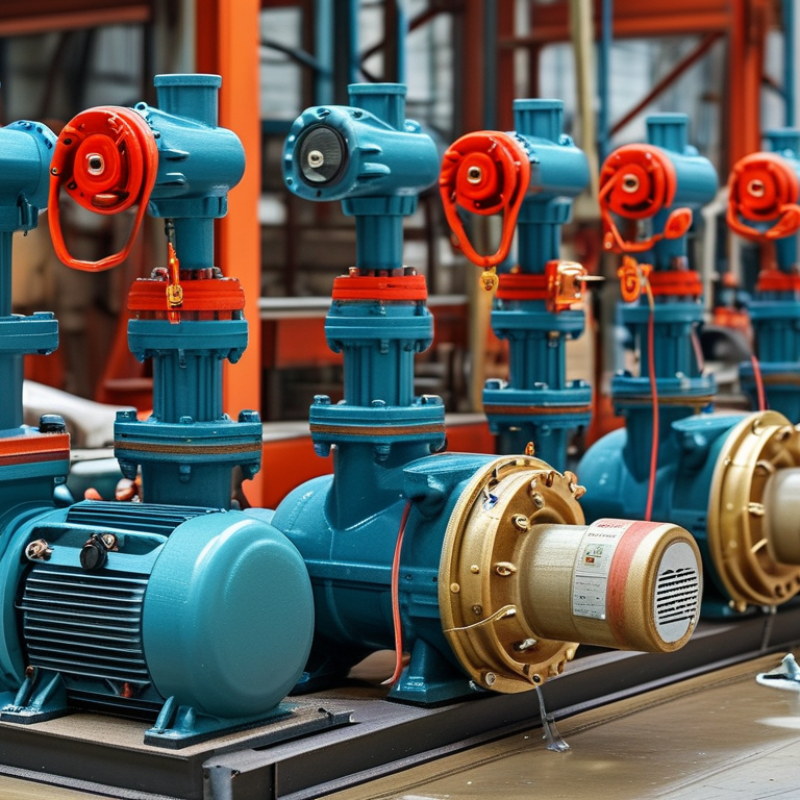
Top Water Pump Types for Efficient Performance and Selection?
Water pumps are crucial in various industries for efficient fluid movement. According to the U.S. Department of Energy, nearly 20% of a facility's energy use may come from pumps. Choosing the right type can enhance performance and reduce operational costs.
In recent years, the market for water pumps has grown steadily, driven by advancements in technology. Reports show an expected growth rate of over 5% in this sector by 2025. This highlights the importance of selecting the appropriate pump to meet specific needs.
However, not all pumps are created equal. Each type has its advantages and drawbacks. It's vital to assess factors like capacity, efficiency, and application. Proper selection can prevent issues such as inefficient operation or excessive wear. Understanding your specific requirements will lead to a more informed choice.
Overview of Water Pump Types and Their Applications
When selecting a water pump, understanding the various types is crucial for optimal performance. Centrifugal pumps are widely used across industries. They operate by converting rotational energy into hydraulic energy. These pumps are ideal for applications that require a steady flow rate, such as irrigation and municipal water supply. According to a recent industry report, centrifugal pumps account for approximately 75% of the global pump market.
In contrast, positive displacement pumps function differently. They move fluids by trapping a fixed amount and then forcing it into the discharge pipe. These pumps are often used for high-viscosity fluids or in situations where precise flow control is necessary. A survey by a leading engineering firm revealed that positive displacement pumps represent about 25% of the market, highlighting their importance in niche applications.
Choosing the right pump is not straightforward. Pump selection can often lead to inefficiencies if not done correctly. For instance, oversizing a pump can result in increased energy costs. Moreover, improper use may shorten the pump's lifespan. Industry experts recommend thorough analysis before making a decision. Utilizing flow rate curves and head loss calculations can mitigate risks and enhance operational efficiency.
Top Water Pump Types for Efficient Performance and Selection
| Pump Type | Application | Efficiency | Advantages | Disadvantages |
| Centrifugal Pump | Water supply, irrigation | High | Simple design, low maintenance | Not suitable for high-viscosity fluids |
| Positive Displacement Pump | Chemical transfer, food industry | Moderate | Handles viscous fluids well | More complex maintenance |
| Submersible Pump | De-watering, sewage systems | High | Compact design, efficient in deep wells | Potential for overheating |
| Diaphragm Pump | Air, gas, or liquid handling | Moderate | Excellent for hazardous materials | Limited to lower flow rates |
| Gear Pump | Lubrication, oil transfer | High | Reliable, good for precise flow rates | Can be expensive |
Key Factors Influencing Water Pump Selection Criteria
When selecting a water pump, various factors come into play. The type of fluid being pumped is crucial. For example, clear water requires a different pump than one handling sludge or chemicals. Understanding this can lead to better efficiency. Flow rate is another key aspect. This indicates how much fluid can move through the pump in a given time. Inadequate flow rates can hinder operations and increase costs.
Pump power requirements should not be overlooked. A pump that isn’t powerful enough can lead to operational failures. That said, energy efficiency is paramount. A less energy-efficient pump could significantly increase long-term operational costs. Selecting a pump with a proper lifespan also ensures reliability and reduces replacement needs, saving both time and money.
Installation space is often ignored during selection. Many people forget to measure the area where the pump will reside. Insufficient space can complicate maintenance. Noise levels, particularly in residential areas, might not seem important but can affect comfort levels. It's essential to balance performance with practicalities. Choosing the right pump requires a thorough assessment of these variables. Some pump types might offer excellent performance but fail on other key factors.
Comparative Analysis of Centrifugal and Positive Displacement Pumps
When selecting a water pump, understanding different types is crucial. Centrifugal pumps and positive displacement pumps represent the most common categories. Centrifugal pumps rely on rotational energy to increase fluid velocity. They are efficient for low-viscosity fluids. However, they may struggle with high-viscosity liquids or when high pressure is required.
On the other hand, positive displacement pumps move fluid by trapping a fixed amount in a chamber. They are ideal for high-viscosity fluids and applications requiring precise flow rates. Users often find them more reliable in high-pressure scenarios. However, they can be less energy efficient at lower flow rates. Selecting the right pump depends on application needs, fluid characteristics, and operational conditions. Balancing efficiency and performance is an ongoing challenge for many industries.
Comparison of Centrifugal vs Positive Displacement Pumps
Benefits of Submersible vs. Surface Water Pumps
When choosing between submersible and surface water pumps, understanding their benefits is crucial. Submersible pumps operate underwater, making them ideal for deep wells and aquatic environments. They are designed to push water to the surface, which allows for efficient operation. Data from the Water and Wastewater Equipment Manufacturers Association (WWEMA) indicates that submersible pumps can achieve efficiencies over 90%. This high efficiency translates into lower energy costs and decreased environmental impact.
Surface pumps, on the other hand, sit above ground and draw water using suction. These pumps are easier to access for maintenance but are typically less efficient, with average efficiencies around 70%. They work best for applications where the water source is close to the surface. Industry surveys suggest that surface pumps are preferred in construction and agricultural projects due to their versatility.
Ensuring the right pump choice involves multiple considerations. Assess the water depth and the specific application requirements. Submersible pumps may require more initial investment but often provide savings in the long run. Regular maintenance for both types is essential to prolong their lifespan and maintain efficiency. Evaluate your needs carefully to avoid misselection, which can result in higher costs and inefficiencies in the future.
Maintenance Tips for Ensuring Optimal Pump Performance
Maintaining a water pump is essential for its efficiency and longevity. Regular inspections can prevent major malfunctions. Check for leaks, unusual noises, and vibrations. These signs often indicate underlying issues. Addressing small problems early can save time and money.
Another crucial aspect of maintenance is keeping the pump clean. Debris can impede performance. Ensure the intake screen is free from blockage. Clean the impeller regularly to maintain fluid flow. It’s important to know that neglecting these tasks may reduce efficiency and impact overall performance.
Lastly, pay attention to the motor and electrical connections. Overheating can lead to serious damage. Ensuring proper cooling and ventilation is key. Remember, a well-maintained pump operates optimally, but oversight can lead to costly repairs. Reflecting on your maintenance routine can help identify areas for improvement.