
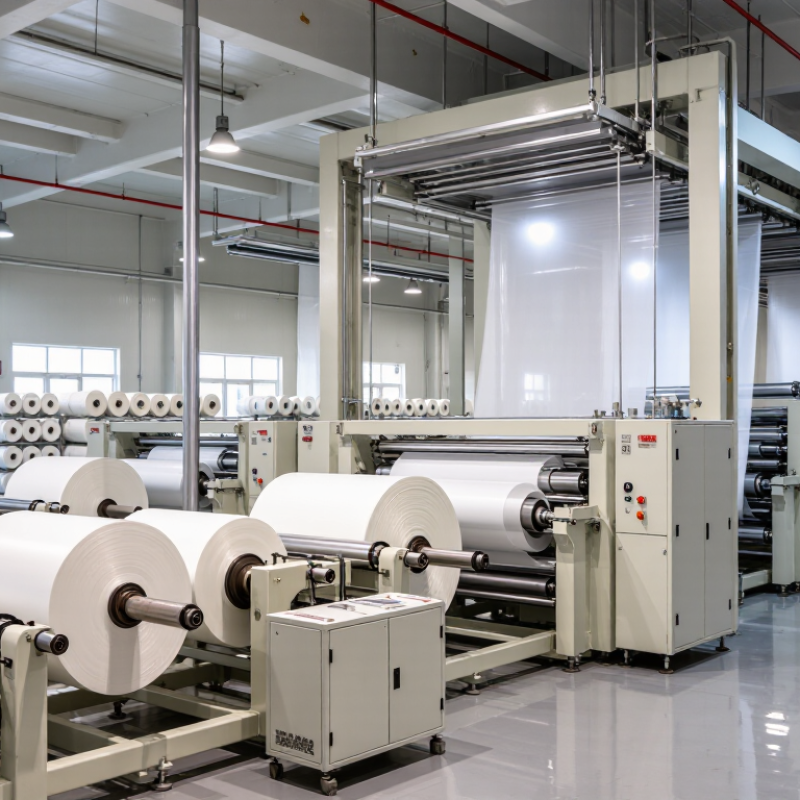
Comparing thermal bond non woven fabric suppliers requires more than checking price per kilogram. Start with a controlled specification covering fiber type, GSM, width, color, thickness, and bonding strength. Ask for evidence. Request recent test reports, production samples, and batch records instead of relying on sales promises. A reliable manufacturer should explain how bonding temperature and line speed affect softness, loft, and tensile performance.
Evaluate at least ten potential manufacturers using the same sample requirements. Inspect roll edges, surface uniformity, odor, and winding tension. Test samples after storage and moderate heat exposure, because fabric can change after shipment. Check laboratory equipment, calibration records, incoming fiber controls, and final inspection procedures. Traceability matters when a defect appears in one carton. So does capacity. A supplier may offer an attractive sample but lack enough stable output for monthly orders.
Compare minimum order quantities, lead times, packaging, payment terms, and response speed. Ask how they handle color variation or failed batches. Their answer reveals practical accountability. Do not select the lowest quotation automatically. A low price can hide weaker fibers, inconsistent bonding, or expensive rework. One imperfect area deserves attention: sample testing rarely matches full production exactly. Require a pilot run and approve a retained reference sample before scaling. Then review performance against the original application, whether filtration, hygiene products, furniture padding, or automotive interiors.
