Top Sewer Cleaning Machines for Efficient Global Procurement?
In today's rapidly evolving world, the efficiency of municipal infrastructure is paramount. The Sewer Cleaning Machine industry is no exception. According to a report by Grand View Research, the global sewer cleaning machine market is projected to reach $2.7 billion by 2028, driven by increasing urbanization and the need for effective waste management solutions. Experts emphasize the crucial role of sewer cleaning machines in maintaining sanitary conditions. Dr. Linda Schwartz, a noted expert in urban sanitation technologies, once stated, “Efficient sewer cleaning machines are vital for preventing public health crises.”
The technological advancements in sewer cleaning machines have transformed the industry. Modern machines are equipped with high-pressure water jets, robotic arms, and advanced sensors, allowing for cleanliness and efficiency in waste removal. However, despite these improvements, challenges still exist. For example, small municipalities may struggle to afford these advanced machines, leading to inadequate sewer maintenance. Additionally, environmental concerns regarding cleaning agents used in these processes persist.
The global procurement landscape for sewer cleaning machines is also changing. Enhanced partnerships between manufacturers and municipalities are emerging, focusing on sustainability and cost-effectiveness. Increasingly, buyers seek machines that meet environmental standards while delivering powerful performance. As the demand rises, understanding the best options available becomes crucial.
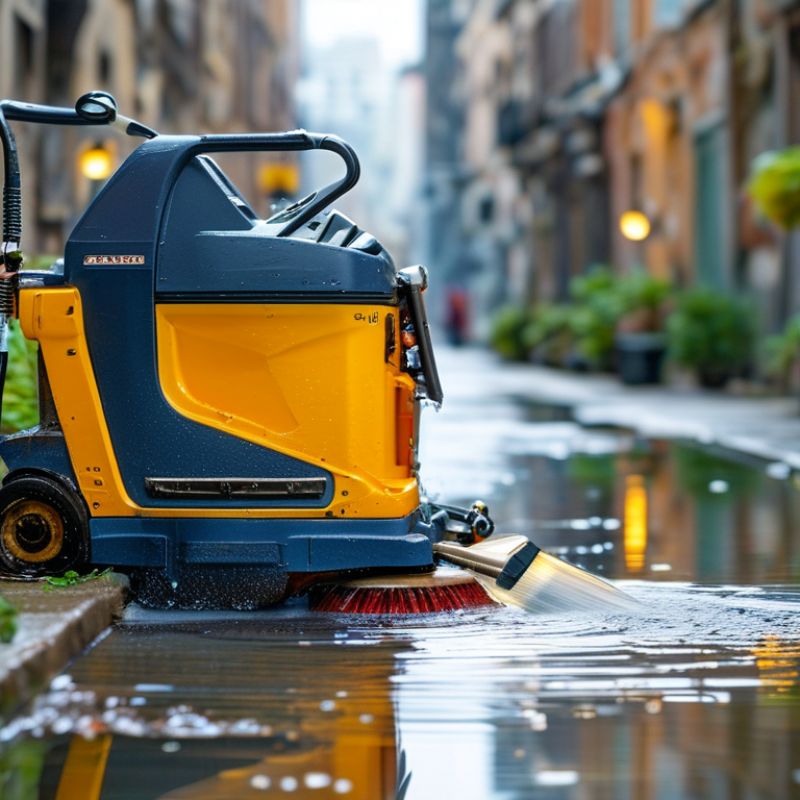
Overview of Sewer Cleaning Machines in Global Procurement
Sewer cleaning machines play a crucial role in maintaining urban infrastructure. They help prevent blockages and ensure the smooth flow of wastewater. In global procurement, understanding the variety of machines available is essential. Different designs serve unique purposes. Some are compact for residential areas, while others are robust for industrial usage.
Quality and efficiency are paramount in selecting sewer cleaning equipment. Different regions may have varying needs based on local conditions. Machines designed for damp climates may require specific features. Attributes like durability and ease of maintenance influence procurement decisions. Many buyers also prioritize machines with user-friendly features for effective operation.
However, there are challenges in the procurement process. Import regulations and shipping logistics can complicate acquiring the right equipment. Additionally, training staff to operate these machines efficiently is often overlooked. Not all machines perform equally in varying conditions, which can lead to unexpected issues. Assessing local needs before purchasing can help mitigate some of these risks.
Key Features and Specifications of Effective Sewer Cleaning Machines
When selecting sewer cleaning machines, key features and specifications play a critical role in efficiency. These machines should exhibit robust performance under various conditions. A powerful motor, ideally between 10 to 20 horsepower, ensures effective blockage removal. The water pressure should range from 1500 to 3500 PSI to tackle stubborn clogs.
Ease of mobility is essential. Lightweight models or those equipped with wheels enhance maneuverability in tight spaces. A compact design also aids in easy storage. Operators must consider tank capacity. A larger tank reduces downtime for refilling during extensive cleaning tasks. Additionally, robust hose materials and attachments improve longevity and usability.
Regular maintenance is vital for machine performance. Yet, many operators neglect this aspect, leading to frequent breakdowns. Understanding the machine’s components can prevent costly repairs. Moreover, safety features, such as automatic shut-off, should not be overlooked. While technological advances improve efficiency, reliance on advanced systems can be a double-edged sword. Balancing tradition and innovation remains crucial for optimal results.
Top Sewer Cleaning Machines Performance Comparison
This chart illustrates the performance of various top sewer cleaning machines based on their cleaning capacity (measured in cubic meters per hour) and operational efficiency (measured in percentage). The data highlights the key features that make these machines effective for global procurement.
Top Brands in Sewer Cleaning Equipment and Their Market Presence
In the ever-evolving landscape of sewer cleaning equipment, numerous brands compete for market share. According to a recent industry report, global demand for sewer cleaning machines has surged, expecting to grow at a CAGR of 6.5% through 2030. This growth reflects the increasing need for efficient waste management systems amidst urban expansion.
Key players dominate the market, each offering unique technology and solutions tailored to various challenges. Many brands emphasize innovation, producing machines equipped with advanced features such as high-pressure water jets and robotic sensors. These innovations not only enhance cleaning efficiency but also reduce labor costs and time.
However, not every region has equal access to advanced sewer cleaning equipment. In emerging markets, cost constraints often limit procurement. Some local municipalities struggle to keep up with maintenance due to budget issues. As a result, there's a pressing need for affordable solutions that can still deliver effective results. Balancing quality and cost remains a significant challenge for many stakeholders in this sector.
Comparative Analysis of Sewer Cleaning Machines for Various Applications
When considering sewer cleaning machines, it's crucial to match them with specific applications. These machines vary greatly in design and capability. Understanding their features and intended uses will help in efficient procurement and optimal performance.
For heavy-duty tasks, a high-pressure water jet machine excels. It quickly clears blockages using powerful jets. However, it may not be suitable for all environments. Overuse can lead to pipe damage over time. Staying mindful of the application limits is important.
Tips: Always assess the pipe material before choosing a machine. Some methods work better on certain types than others.
On the lighter side, portable machines are user-friendly. They’re ideal for small jobs or tight spaces. Yet, they may lack the power needed for larger issues. It's necessary to weigh convenience against performance. The right tool should meet both immediate needs and long-term goals.
Tips: Regular maintenance ensures long-term reliability. Neglect can lead to costly repairs or downtime.
Top Sewer Cleaning Machines for Efficient Global Procurement
| Machine Type | Power Source | Cleaning Capacity (liters/min) | Weight (kg) | Typical Application | Price Range (USD) |
| High-Pressure Jetter | Diesel | 500 | 850 | Main Sewer Lines | $25,000 - $35,000 |
| Vacuum Truck | Gasoline | 1000 | 9000 | Waste Removal | $120,000 - $200,000 |
| Sewer Snake | Electric | 50 | 20 | Residential Clogs | $300 - $1,500 |
| Hydro Excavator | Diesel | 300 | 1500 | Utility Location | $150,000 - $300,000 |
| Drain Cleaning Machine | Electric | 100 | 40 | Commercial Use | $1,000 - $5,000 |
Factors Influencing Purchase Decisions in Sewer Cleaning Equipment
When considering sewer cleaning equipment, several factors deeply influence procurement decisions. One key aspect is the technology used in these machines. Modern sewer cleaning equipment often integrates advanced features such as high-pressure water jets and robotic cameras. According to industry reports, 70% of purchasers prioritize machines that offer real-time data collection and diagnostics. These technologies help improve operational efficiency and reduce downtime.
Cost is another critical factor. In a survey of procurement managers, over 60% indicated that budget constraints significantly affect their choices. Equipment that provides long-term savings through durability and reduced maintenance is often more attractive. However, many organizations struggle to balance with ongoing operational expenses.
Additionally, environmental regulations are now more stringent. Companies must invest in machines that reduce wastewater discharge and emissions. A study indicated that 49% of decision-makers now consider compliance with environmental standards equally important to performance metrics. This shift reflects a broader industry trend towards sustainable practices in sewer maintenance. Organizations may need to rethink traditional procurement approaches to embrace these new realities.

