Top 10 Scavenging Pump Manufacturers for Global Buyers

A Scavenging Pump has a demanding job: remove fluid reliably, often under changing speed, temperature, and inlet conditions. In a dry-sump engine, for example, it returns oil from the crankcase to a separate tank. Buyers comparing global manufacturers should look beyond headline flow rates. Port size, drive speed, fluid viscosity, materials, and priming behavior all affect real-world performance.

Independent references help make comparisons more disciplined. The U.S. Department of Energy’s Improving Pumping System Performance: A Sourcebook for Industry explains why system design, controls, and maintenance matter alongside pump selection. ISO 9906 also sets methods for testing and accepting hydraulic performance in rotodynamic pumps. These references do not rank scavenge-pump brands. They do offer useful benchmarks for reviewing published specifications, test results, and supplier claims.

This guide introduces ten manufacturers for global buyers, with attention to product range, engineering support, customization, and service access. Ask for performance data at the intended operating point, not just a catalog maximum. Check seal options, temperature limits, spare-parts availability, and documentation before comparing quotations. Small details matter. A pump that fits the drawing may still perform poorly with cold, aerated oil or a long suction line. The shortlist is a starting point, not a verdict; buyer requirements differ, and public information is uneven. That limitation deserves attention. Reliable selection depends on matching verified technical evidence to the actual duty, then confirming support where the equipment will operate.
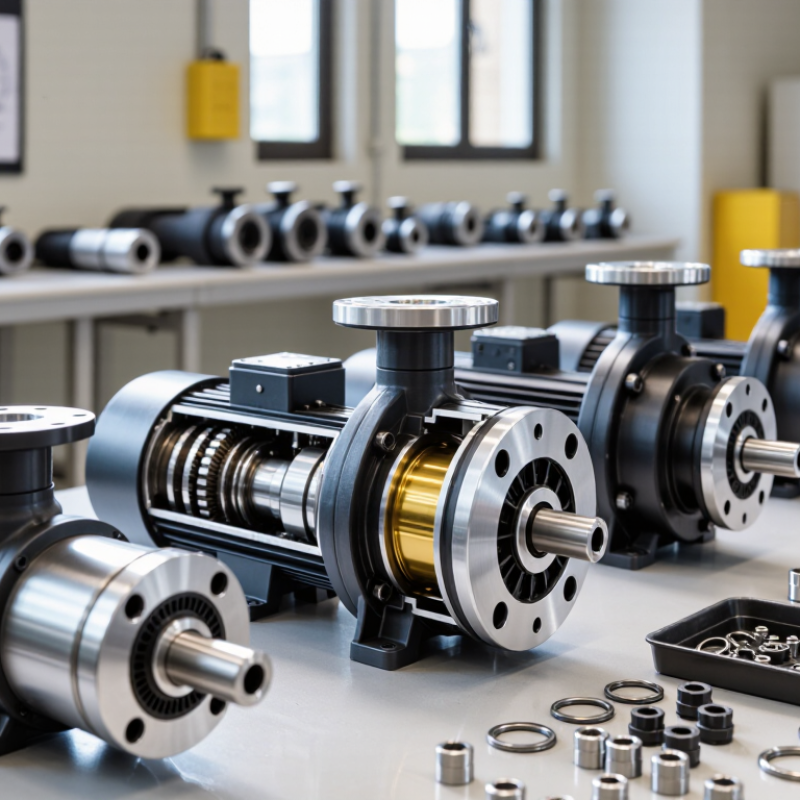
Top 10 Scavenging Pump Manufacturers for Global Buyers

What Scavenging Pumps Do and Where They Are Used

Top 10 Scavenging Pump Manufacturers for Global Buyers

What Scavenging Pumps Do and Where They Are Used

A scavenging pump removes oil from an engine’s crankcase, bearing housing, or gearbox and returns it to a reservoir. In dry-sump systems, this keeps the engine’s oil supply separate from the crankcase. The pump may handle oil mixed with air, so its capacity and inlet design matter. Small details matter. Scavenging stages are used in aircraft turbine engines, racing engines, compressors, and industrial lubrication systems. In each case, the job is practical: collect oil where it gathers, then move it back for reuse.

Pump selection affects more than oil return. The U.S. Department of Energy’s Improving Pumping System Performance sourcebook estimates that pumping systems account for nearly 20% of global electrical energy demand. That figure covers pumping broadly, not scavenging pumps alone, but it highlights why efficiency deserves attention. Check operating temperature, oil viscosity, aeration, flow rate, and suction-line layout against the equipment maker’s requirements. A clean drawing can still miss real installation constraints; tight bends and long suction lines may complicate reliable oil return.

How to Evaluate Scavenging Pump Manufacturers

Evaluating scavenging pump manufacturers starts with the duty, not the brochure. Define required flow, discharge pressure, fluid temperature, viscosity, and expected air or foam content. Ask for performance data at your actual operating point, not only a best-case rating. A clean curve is not proof.

The Europump and Hydraulic Institute guide Pump Life Cycle Costs: A Guide to LCC Analysis for Pumping Systems notes that energy can approach 40% of a pump’s life-cycle cost, depending on operating conditions. That makes efficiency and service life worth checking alongside purchase price. Request test results, materials specifications, seal details, and a clear explanation of how the pump handles wear or intermittent operation. For rotodynamic designs, ask whether performance testing follows ISO 9906; other pump types need an appropriate, documented test method.

Check whether the manufacturer can explain its assumptions and provide references for similar fluids and duty cycles. Ask about spare-part lead times, repair procedures, and what performance is guaranteed at startup. Compare the answers in writing. Some data sheets still omit air entrainment or viscosity limits, and that gap matters. A site trial may reveal issues a laboratory test misses. Evaluate those risks before committing.

Profiles of 10 Scavenging Pump Manufacturers for Global Buyers

The ten profiles cover distinct capabilities: engine-system specialists, marine suppliers, industrial pump makers, compact-unit builders, high-volume cast-iron producers, corrosion-resistant fabricators, precision gear-pump makers, skid integrators, service-led regional manufacturers, and aftermarket-focused producers. These are useful comparison groups, not a universal ranking. A buyer should check duty point, fluid compatibility, operating speed, and service access against the actual engine or system. A neat catalogue figure is not enough.

Performance claims need context. The U.S. Department of Energy and Hydraulic Institute’s 2006 guide, Improving Pumping System Performance, estimates pumping systems use nearly 20% of global electrical energy demand. That figure covers pumping broadly, not scavenging pumps alone. Still, it makes efficiency, control range, and test conditions worth asking about. Request curves, materials data, vibration limits, and documented factory test results. Small details matter.

For each manufacturer profile, compare delivery lead time, spare-part availability, repair instructions, and field support in the buyer’s region. Ask whether published performance reflects the supplied configuration, not a test unit with different clearances or drive settings. This is where comparisons get messy. I would also check how the supplier handles wear and changing operating conditions; catalogues rarely show the awkward cases. A polished profile can hide gaps, so verify claims with project references and consistent test data.

Pressure Unit Conversion Reference for Scavenging Pump Buyers

Use this reference to compare pressure values shown in different units on pump datasheets. Values use the exact conversion 1 bar = 100 kPa and approximately 14.5038 psi; the plotted points are unit conversions, not pump performance specifications.

How the Manufacturers Compare in Design and Market Reach

Design differences become visible at the service bench. Some scavenging pumps prioritize compact housings and quick access to seals; others favor heavy-duty construction for continuous operation. Buyers should compare materials, allowable solids, flow range, and maintenance intervals against the actual duty cycle. A polished catalogue is not a test result. The International Energy Agency’s 2011 report on electric motor-driven systems estimated that these systems used about 45% of global electricity. That broad figure is not pump-specific, but it explains why motor efficiency and system matching deserve scrutiny. Ask for tested performance curves, not just headline capacity. Small detail. A poor inlet layout can also undermine an otherwise sound design.

Market reach is more than a map of sales offices. It includes spare-parts access, technical response, documentation, and realistic delivery times. The World Bank’s 2023 Logistics Performance Index scored countries on a 1–5 scale; Singapore ranked first at 4.3. This measures national logistics conditions, not any manufacturer’s service quality. Still, it offers context when comparing supply routes and lead-time risk. For global buyers, request regional stock locations and written response commitments. Then check whether local teams can support commissioning and repairs. Coverage claims can look impressive, yet service depth may vary sharply by region. That gap is worth questioning. A fair comparison weighs design evidence and local support together, rather than treating export reach as proof of reliability.

Top 10 Scavenging Pump Manufacturers for Global Buyers - How the Manufacturers Compare in Design and Market Reach Industry-typical comparison of engine-oil and dry-sump scavenging pump supplier profiles
Anonymous supplier profile Common pump design Typical configuration Design strengths Key selection considerations Typical market reach Common applications
Profile 1 — Dry-sump system specialist Multi-stage external-gear or gerotor scavenge sections Separate pressure and scavenge stages; belt, gear, or shaft drive depending on the system Supports multi-pickup layouts and high oil-return flow in compact engine packages Check stage count, drive speed, inlet layout, oil aeration handling, and mounting interface Often serves international motorsport and performance-engine customers through specialist distributors Racing engines, track vehicles, and custom dry-sump installations
Profile 2 — Performance-engine aftermarket supplier Compact external-gear or gerotor pumps Application-specific pump bodies, covers, and drive options Broad fitment choices and relatively straightforward integration with modified engines Confirm compatibility with engine family, oil viscosity, operating speed, and sump plumbing Typically sells across multiple regions through performance-parts distributors and online channels Street-performance builds, club racing, and engine conversions
Profile 3 — Automotive powertrain supplier Engine-driven gear or gerotor pump designs Designed around a specific engine or vehicle platform; often integrated into the lubrication module Package integration, repeatable production, and suitability for high-volume programs Platform-specific tooling and validation can limit interchangeability; verify service and sourcing support May support multi-country vehicle programs through OEM and tier-supplier networks Passenger vehicles and light commercial engines
Profile 4 — Aviation and specialist-engine pump supplier Precision gear-type scavenge sections, sometimes in multi-stage assemblies Application-specific housings and interfaces; certification requirements depend on the end use and program Can be configured for specialized operating conditions and tightly controlled installations Check applicable approvals, traceability, documentation, materials, and approved repair channels Usually serves a specialized international customer base; availability may depend on approved distributors Aircraft piston engines and other specialist powerplants
Profile 5 — Industrial gear-pump manufacturer External-gear pump elements adapted to lubrication and oil-transfer duties Multiple mounting, seal, port, and drive configurations may be offered across product families Established gear-pump engineering and options for industrial operating environments Confirm suitability for aerated oil, inlet conditions, temperature, speed, and engine-specific duty cycles Often has a broad industrial distribution footprint, with regional variation in product availability Industrial engines, power units, and equipment lubrication systems
Profile 6 — Marine-engine system supplier Gear-type pumps or engine-integrated lubrication modules Configured for marine engine layouts, service access, and continuous-duty operation Can be matched to engine-room packaging and marine maintenance practices Assess corrosion protection, seal materials, serviceability, and the engine maker’s requirements May reach buyers through marine-engine distributors and service networks in major boating regions Marine propulsion engines and auxiliary power units
Profile 7 — Heavy-duty diesel powertrain supplier Robust gear-pump designs, often integrated with the engine lubrication system Engine-specific construction intended for heavy-duty duty cycles Designed around service life, engine integration, and dependable oil circulation Match the pump to the exact engine specification; verify replacement-part and service coverage Can serve multiple regions through commercial-vehicle, engine, and equipment service channels Truck, bus, off-highway, and industrial diesel engines
Profile 8 — Compact-equipment pump supplier Small gear or gerotor pump designs Compact housings and application-specific ports or mounting features Useful where installation space and system weight are constrained Check flow at operating speed, inlet restriction, contamination tolerance, and thermal limits Reach is commonly supported by equipment makers and regional replacement-parts channels Small engines, generators, agricultural machinery, and compact equipment
Profile 9 — Custom low-volume engineering supplier Application-selected gear, gerotor, or other positive-displacement designs Often built to customer drawings or a defined installation and duty specification Greater flexibility for unusual interfaces, low-volume needs, and development projects Review design ownership, prototype validation, production capacity, and long-term spare-parts support Usually project-led and international where technical sales or export support is available Prototype engines, restoration projects, and niche industrial applications
Profile 10 — Diversified global pump group Product-family-dependent gear and other positive-displacement pump designs Broad portfolio; scavenging suitability must be confirmed for the specific model Potential advantages in regional sales coverage, technical support, and supply-chain scale Confirm that the selected pump is rated for scavenge duty, aerated oil, and the required operating range Typically the broadest potential reach through international offices or distributors Industrial and engine-related lubrication applications, subject to model capability
Comparison note: The profiles are anonymized, industry-typical supplier categories, not named companies or a verified company-by-company ranking. Pump designs and market coverage vary by model and region. Confirm specifications, approvals, and availability directly with the supplier before purchase.

What Buyers Should Check Before Choosing a Supplier

A scavenging pump must match the system, not just the product description. Ask suppliers for a performance curve showing flow, pressure, and operating speed. Compare it with your actual duty cycle, including startup conditions and fluid temperature. Request material specifications for wetted parts, seals, and housings. A small mismatch can lead to leakage or early wear. No checklist catches everything.

Tips: Share the fluid’s viscosity, temperature range, and any expected contamination. Ask for a factory test report and clarify how test conditions compare with your installation. Check whether the supplier can provide replacement seals and bearings, and ask about typical lead times.

Also review quality procedures, warranty terms, and technical support availability in your region. Ask how the supplier handles vibration, unusual noise, or performance below specification. Clear answers matter more than polished promises. If possible, discuss a similar installation and its maintenance history. One detail is easy to miss: confirm the pump’s dimensions and connection points against your existing layout. Suppliers may offer customization, but request drawings and written acceptance criteria before approving changes. A helpful sales response is useful; documented engineering support is better.


Close

Raise your Query

Hi! Simply click below and type your query.

Our experts will reply you very soon.

WhatsApp Us
