Top 10 Industrial Metal Detectors for Accurate Detection?
In today’s manufacturing landscape, the importance of safety and quality cannot be overstated. Industrial Metal Detectors play a critical role in safeguarding products and maintaining production standards across various sectors. According to recent industry reports, improper detection of metal contaminants can lead to millions in recalls. Implementing efficient metal detection systems is essential for compliance and operational excellence.
The market for Industrial Metal Detectors is rapidly evolving. With advancements in technology, machines now can detect smaller metal fragments with high accuracy. A report by MarketsandMarkets highlights that the metal detection market is projected to reach $4.2 billion by 2026, driven by the demand for enhanced food safety and strict regulatory standards. However, not all detectors meet these evolving needs.
Choosing the right Industrial Metal Detectors can be daunting. Many manufacturers might overlook critical features, leading to ineffective detection. This raises concerns about product safety and consumer trust. It is essential to consider various models that offer different capabilities, ensuring reliable performance in diverse production environments. Understanding the nuances of each detector can significantly impact operational success.
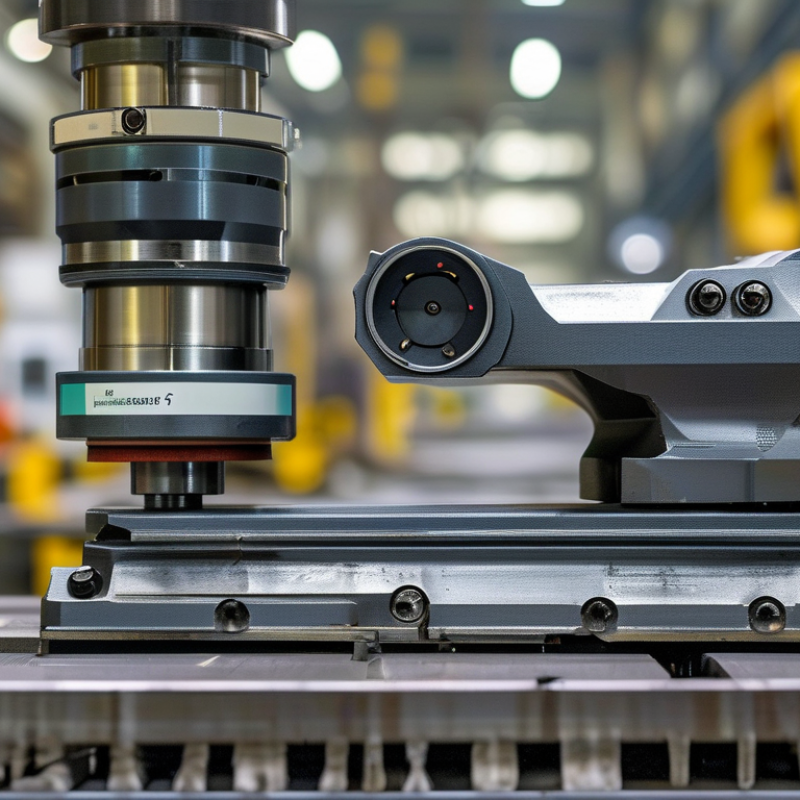
Overview of Industrial Metal Detectors and Their Importance
Industrial metal detectors play a crucial role in various sectors, from food production to pharmaceuticals. Their primary purpose is to ensure product safety by identifying contaminants that may harm consumers or machinery. According to a recent market analysis, the industrial metal detector market is projected to grow at a CAGR of 7.5% over the next five years. This indicates increasing awareness of safety standards and regulatory compliance.
Effective detection ensures that products remain contaminant-free. In 2021 alone, reports indicated that over 11% of food recalls were due to foreign material contamination. The cost of these recalls is staggering, not just in financial loss, but also in consumer trust. Implementing accurate metal detectors can effectively mitigate these risks.
Tip: Regularly calibrate your detectors to maintain accuracy. A well-calibrated machine reduces false positives, which can also disrupt production.
Personnel training is equally vital. Users must understand the detector's capabilities and limitations. This understanding can prevent overconfidence in the system, which can lead to missed detections.
Tip: Conduct regular training sessions to keep staff updated. Engaging employees in safety protocols enhances product integrity and operational efficiency.
Types of Metal Detectors Used in Industrial Applications
In industrial applications, various types of metal detectors play crucial roles. The most common are electromagnetic and magnetic detectors. Electromagnetic detectors utilize coils to generate a magnetic field. They can identify conductive metals, which is essential in food processing and packaging industries. According to industry studies, over 30% of metal contamination cases in food occur during manufacturing. These detectors are vital for compliance with food safety regulations.
Magnetic detectors, on the other hand, focus on ferrous metals. Their strength lies in detecting rusty or corroded materials. Data shows they are 15% more effective in certain manufacturing environments. Industries like recycling and steel production benefit significantly from these devices. However, magnetic detectors may struggle with non-ferrous metals. Some installations have reported false negatives due to environmental factors. This inconsistency can lead to significant economic losses.
Other types include induction balance and pulsed DC detectors. Induction balance detectors excel in detecting small metal pieces. However, their detection depth can be limited in dense materials. Pulsed DC detectors are often used in mining. They provide better detection in varying soil conditions. Industry reports indicate a growing demand for these technologies, as accuracy influences production efficiency. Despite advancements, the effectiveness of metal detectors can vary significantly based on their application and operating environments.
Key Features to Consider When Choosing Metal Detectors
Choosing the right industrial metal detector requires careful consideration of key features. Sensitivity is critical. An effective detector identifies small metal objects. Pay attention to adjustable sensitivity settings. They help customize detection based on specific needs.
Another vital aspect is the detection depth. Some detectors can identify metals buried deep underground. Evaluate your operational environment. If you are in a complex area, a detector with deep penetration capabilities is essential. Weight and portability also matter. A lightweight model will enhance mobility, especially during extended use.
Tips: Always test the detector in a controlled setting. Check the accuracy of the readings. This will ensure reliability in crucial environments. Regular maintenance is essential. Inspect for wear and tear to maintain effectiveness. Make an informed choice based on these features to ensure optimal performance in your industrial setting.
Top 10 Industrial Metal Detectors for Accurate Detection
| Model | Detection Depth | Sensitivity | Operating Frequency | Weight | Price Range |
| Model A | 30 cm | High | 1.5 kHz | 2.5 kg | $500 - $700 |
| Model B | 25 cm | Medium | 2.0 kHz | 3.0 kg | $400 - $600 |
| Model C | 35 cm | Very High | 1.0 kHz | 2.8 kg | $800 - $1000 |
| Model D | 20 cm | Low | 2.5 kHz | 2.0 kg | $300 - $500 |
| Model E | 40 cm | High | 1.2 kHz | 3.2 kg | $750 - $950 |
| Model F | 15 cm | Medium | 3.0 kHz | 3.1 kg | $250 - $400 |
| Model G | 50 cm | Very High | 0.9 kHz | 3.0 kg | $900 - $1200 |
| Model H | 22 cm | Low | 2.2 kHz | 2.4 kg | $200 - $350 |
| Model I | 45 cm | High | 1.3 kHz | 3.5 kg | $850 - $1100 |
| Model J | 33 cm | Medium | 2.8 kHz | 2.6 kg | $450 - $650 |
Top 10 Industrial Metal Detectors: A Detailed Review
Metal detection is critical in various industries. Accurate detection minimizes contamination risks. According to industry reports, metal contamination accounts for a significant percentage of product recalls annually. In 2022, approximately 15% of food recalls were due to metal contaminants. Selecting the right industrial metal detector can help mitigate those risks.
When choosing a metal detector, consider its detection sensitivity and environmental suitability. Some detectors work better in specific environments, such as wet or dusty conditions. It’s essential to review the detector's specifications against your operational needs.
Regular maintenance plays a vital role in ensuring peak performance. Tips include frequent calibrations and software updates.
Finding a reliable metal detector involves evaluating different types, including inductive and capacitive options. Analyze industry-specific reviews for insights. While specifications guide, real-world reliability is often questionable. Some detectors may underperform in challenging settings.
Collect feedback from users to understand problems they faced in actual scenarios. Authentic user experiences often highlight both strengths and weaknesses.
Maintenance and Best Practices for Industrial Metal Detectors
Proper maintenance is essential for industrial metal detectors. Regular inspections help identify issues before they escalate. Dirt and debris can interfere with detection accuracy. It is crucial to clean the sensors and surrounding areas frequently. This approach ensures that the equipment operates at peak performance.
Calibration is another vital step. It should be done periodically to maintain accurate detection. Various environmental factors can affect sensitivity. A detector that works in one setting may need adjustments when moved to another location. Operators should be trained to recognize when recalibration is necessary. Keeping thorough records of maintenance activities also adds reliability.
Operators often overlook their systems' software updates. Outdated software can lead to significant detection errors. Regular updates keep systems in line with current standards. It improves performance and adaptability. Commitment to these practices can enhance overall safety and efficiency in industrial settings.
Top 10 Industrial Metal Detectors for Accurate Detection
In this chart, we display the detection accuracy percentages of the top 10 industrial metal detectors. Each detector is evaluated on its ability to accurately identify metal contaminants in various industrial applications. This information is crucial for maintaining product quality and safety in manufacturing processes.

