In the world of marine construction, understanding the features of a Cutter Suction Dredger is essential. Dr. John Smith, a leading expert in dredging technology, emphasizes, "The design and features of a Cutter Suction Dredger can significantly affect project efficiency." This insight highlights the importance of knowing what to look for when selecting this equipment.
Cutter Suction Dredgers play a crucial role in sediment removal and underwater excavation. They enable operators to maintain navigation channels, construct ports, and restore coastlines. Each feature of these machines holds its significance. For instance, the cutter head design can determine how effectively materials are cut and suctioned. Additionally, the power of the pump and the dredging depth attainable are also vital factors that can influence project timelines.
However, not all dredgers are created equal. Some may promise versatility but lack reliability in tough environments. Understanding these nuances requires a blend of technical knowledge and field experience. Each dredging project presents unique challenges, making it crucial to choose a Cutter Suction Dredger that aligns well with specific project demands. Operators should keep these ten essential features in mind to make informed decisions that enhance performance and efficiency while navigating the complexities of dredging operations.
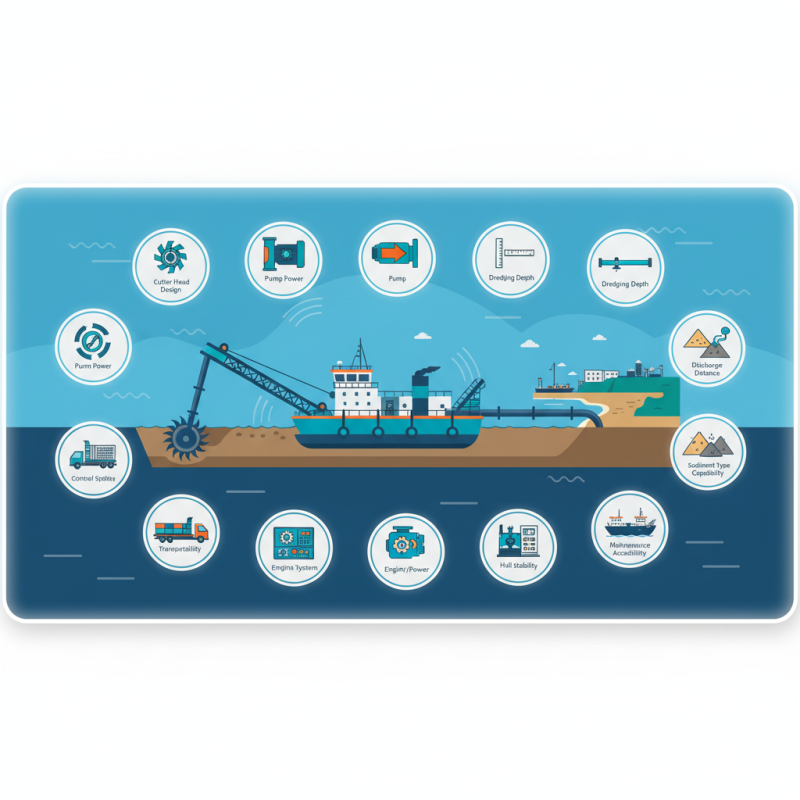
Cutter suction dredgers are vital for marine construction and sediment management. Understanding their essential components can enhance operational efficiency. The heart of these dredgers is the cutter head. This tool breaks up hard materials, making it easier to suction up soil and debris. Design can vary, but sharp, durable blades are common.
Another crucial part is the suction pipe. It transports the dredged material to a designated location. A well-designed suction pipe minimizes material loss and maximizes efficiency. Efficient pumping systems play an equally important role. They generate the necessary suction power to maintain a steady flow of material.
Additionally, an effective spud system secures the dredger in place. This stability is vital during dredging operations. Operators should also consider the dredger's control system. Precision control enhances reliability and safety on the job. While each component is essential, maintenance is key. Neglecting even minor parts can lead to significant issues. Regular checks ensure smooth operations. Understanding these details helps in making informed decisions for project planning and execution.
The cutter head is the heart of a cutter suction dredger. This component digs into the substrate, breaking up sediment effectively. It rotates at high speeds, using sharp, robust blades to cut through tough materials. This action creates a slurry of sediment and water, which is then sucked up through the dredger's suction pipe.
Understanding how the cutter head operates is essential for optimal dredging performance. The design varies based on the material being dredged. For soft silt, a conventional cutter may suffice. However, for harder materials like clay or gravel, a more aggressive design is necessary. Adjusting the cutter head’s speed can also improve efficiency.
**Tips:** Regular maintenance of the cutter head is crucial. Inspect blades for wear and tear frequently. A worn blade can reduce effectiveness, leading to excessive wear on other components. Moreover, operators should understand soil conditions before dredging. It can save time and minimize equipment stress.
The cutter suction dredger's capabilities depend heavily on the cutter head design and function. Each project may demand different settings for success. Knowledge of these mechanisms allows operators to adapt and optimize their dredging strategies. It's important to learn from each operation and refine techniques accordingly.
| Feature | Description | Importance |
|---|---|---|
| Cutter Head Design | Optimized geometric design for efficient soil cutting and maneuverability. | Enhances dredging efficiency and minimizes operational costs. |
| Hydraulic System | Dynamic hydraulic components for effective power transfer and control. | Ensures reliable operation and adaptability to varying excavation tasks. |
| Dredging Depth | Capability to dredge to specific depths as per project requirements. | Critical for compliance with project specifications and regulatory standards. |
| Discharge Options | Variety of discharge methods including pipelines and barges. | Flexible disposal solutions tailored to job site needs. |
| Track or Spud Positioning | Stable positioning systems for maintaining dredger location during operations. | Improves accuracy and efficiency in dredging tasks. |
| Cutter Speed | Adjustable cutting speed for varying soil types and conditions. | Maximizes productivity based on material encountered. |
| Operator Control Systems | User-friendly control interfaces for streamlined operation. | Reduces training time and enhances operational safety. |
| Maintenance Accessibility | Design that promotes easy access to components for routine maintenance. | Minimizes downtime and extends equipment lifespan. |
| Durability | Construction materials and builds designed to withstand tough conditions. | Ensures consistent performance in various environments. |
| Environmental Considerations | Incorporates eco-friendly technologies to minimize ecological impact. | Essential for compliance with environmental regulations and community acceptance. |
Cutter suction dredgers are vital for various marine and inland projects. Efficient pumping systems are at the heart of these machines. Understanding the types of pumps used can help in appreciating their capabilities.
Centrifugal pumps are the most common type used in cutter suction dredgers. They move water and sediments efficiently. They generate high discharge pressure, which is crucial for dredging operations. These pumps can handle various materials, including mud and sand. Yet, they may struggle with highly viscous substances.
Another type is the positive displacement pump. This pump operates differently, moving a fixed amount of fluid per cycle. They maintain constant flow rates, making them reliable. However, they require careful monitoring. If not managed well, they can cause blockages. Overall, knowing the differences between these pumps is essential. It helps operators choose the right one for specific tasks and conditions.
Automation in cutter suction dredging operations offers significant advantages. It enhances efficiency, reduces labor costs, and minimizes human error. Automated systems can monitor vessel performance in real-time. This leads to better decision-making and optimization of dredging patterns. With the integration of advanced technologies, dredgers can operate longer without frequent breaks.
Tips: Regularly analyze the data collected from automated systems. This can reveal patterns that improve your operations. Consider training your team on interpreting this data effectively.
Moreover, automation extends the lifespan of dredging equipment. Continuous monitoring helps in identifying maintenance needs before they become critical. This proactive approach not only saves costs but also enhances safety. Challenges remain in adapting to automation. Some operators may resist change, fearing job losses. Communication is key here. Engaging the workforce in the transition process fosters acceptance.
Tips: Involve your team in discussions about automation. Their insights can lead to better implementation strategies. Offer training sessions to ease the transition and build confidence. Taking these steps can transform apprehension into enthusiasm for new technologies.
Cutter suction dredgers (CSDs) play a vital role in maintaining waterways and ports. Safety features are crucial for these machines, as they mitigate risks for operators and the environment. According to the International Maritime Organization, safety regulations specifically tailor CSDs to address operational hazards. These can include measures like emergency stop systems and fail-safe functions.
Regular training is paramount. Operators should undergo certifications that focus on safety protocols and risk management strategies. Reports show that crew training can reduce accidents by up to 30%. This emphasizes the importance of practical experience in handling emergencies.
Tip: Always conduct a pre-operation safety check. This involves inspecting machinery for potential hazards, ensuring that all safety devices are functional. Regular maintenance helps in identifying issues before they escalate.
Furthermore, regulations necessitate using personal protective equipment (PPE). Life vests, helmets, and boots should be part of the standard gear. Underestimating the importance of PPE can lead to severe injuries.
Tip: Encourage a safety-first culture on your team. Make safety briefings a routine so that all team members are constantly aware of the risks involved in dredging. This proactive approach minimizes potential hazards.
In summary, understanding safety features and regulations is not just compliance; it is about protecting lives and the environment.
Hi! Simply click below and type your query.
Our experts will reply you very soon.
