China Top Mud Pump Piston Rod Manufacturers?

China’s drilling equipment sector has become an important sourcing base for Mud Pump Piston Rod components. Manufacturers serve oilfield service companies, rig builders, and maintenance contractors worldwide. Their products commonly support triplex and quintuplex mud pumps used in demanding drilling conditions.

Industry data explains this demand. The International Energy Agency’s Oil 2024 report projected global oil demand would reach about 104.3 million barrels per day in 2024. That outlook does not guarantee drilling growth everywhere. However, it highlights the continuing scale of equipment requirements. Baker Hughes’ International Rig Count also remains a widely used reference for tracking active drilling activity across major regions. More operating rigs usually mean greater demand for reliable replacement parts.

A serious supplier review must examine more than price and export volume. Buyers should verify piston-rod material, surface hardness, dimensional tolerances, coating quality, and compatibility with pump models. API Specification 7K is a useful industry reference for drilling and well-servicing equipment, although it does not replace product-specific inspection. Manufacturing records matter. So do heat-treatment reports, non-destructive testing, and traceable batch numbers.

Small details reveal experience.

A polished website is not proof of performance. A cheaper rod may fail early if its chrome layer is uneven or its threads are poorly finished. This can increase downtime beside a muddy, high-pressure pump. Rankings are never perfect, because supplier capability changes by alloy, order size, and application. This guide therefore compares China’s leading Mud Pump Piston Rod manufacturers through technical evidence, production experience, quality controls, and customer reliability rather than marketing claims alone.
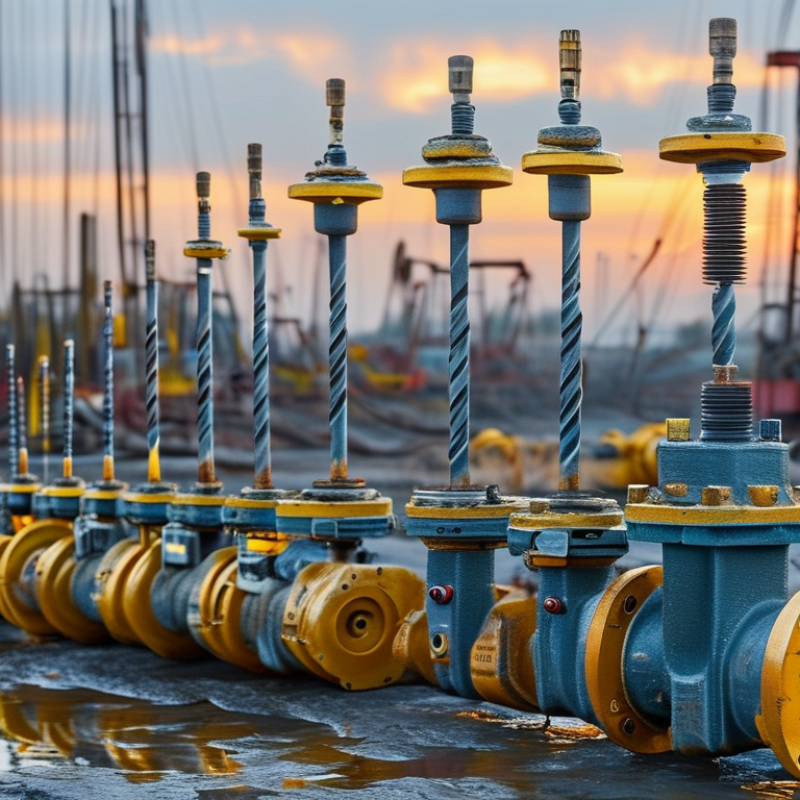
China Top Mud Pump Piston Rod Manufacturers?

What Is a Mud Pump Piston Rod and Why Does It Matter?

China Top Mud Pump Piston Rod Manufacturers?

What Is a Mud Pump Piston Rod and Why Does It Matter?

A mud pump piston rod transfers the crosshead’s reciprocating force to the piston. It works inside a harsh cycle of pressure, vibration, heat, and abrasive drilling fluid. The rod also passes through packing, where a small surface defect can become a serious leak. In field inspections, technicians often find scoring near the seal area before a complete rod failure. That detail matters. Poor alignment, excessive packing pressure, and inadequate lubrication can accelerate wear within hours.

The International Energy Agency’s Oil 2024 report forecasts global oil demand growth of about 3.2 million barrels per day from 2023 to 2029. More drilling activity increases the need for dependable fluid-end components. API Spec 7K provides equipment requirements relevant to drilling and well-servicing systems, while ISO 14224 supports consistent reliability and maintenance data collection. These references help engineers evaluate rod materials, hardness, surface finish, straightness, and fatigue resistance.

A practical piston rod should match the pump’s load, stroke, speed, and sealing arrangement. Stainless steel or alloy steel may be selected, but material alone does not guarantee service life. Surface treatment, machining accuracy, and heat treatment are equally important.

A small admission: laboratory hardness results cannot fully predict field performance. Mud chemistry and operator maintenance still change the outcome. Therefore, buyers should request inspection records, dimensional reports, coating details, and documented fatigue-testing methods before comparing manufacturers.

Key Criteria for Evaluating Chinese Piston Rod Manufacturers

China Top Mud Pump Piston Rod Manufacturers?

Evaluating Chinese piston rod manufacturers requires more than comparing prices. Check the steel grade, heat-treatment records, and material traceability for every production batch. A reliable supplier should provide inspection reports, dimensional data, and clear tolerance standards. Ask how the rod handles repeated impact, abrasive drilling fluid, and pressure changes. These details reveal practical manufacturing knowledge.

Examine the finished surface closely. Chrome thickness, thread accuracy, straightness, and surface roughness directly affect sealing performance. A polished rod may still fail if its core hardness is inconsistent. Request sample testing before placing a large order. Review factory equipment, quality-control procedures, and previous export experience. Independent inspection can expose weaknesses that photographs hide. A common mistake is trusting certificates without checking the actual test method.

Tips: Compare samples from several factories. Measure diameter, runout, and thread fit with calibrated tools. Ask for recent inspection records, not old templates. Confirm packaging details, especially protective sleeves for threaded ends. Keep communication written and specific. If a supplier avoids technical questions, reconsider the partnership. Also, leave room for doubt; even a promising sample may not represent every production batch.

China Top Mud Pump Piston Rod Manufacturers? - Key Criteria for Evaluating Chinese Piston Rod Manufacturers

Evaluation Dimension What to Evaluate Relevant Technical Evidence Suggested Weight Verification Method
Material Grade and Traceability Suitability of the steel for high-load, abrasive drilling-fluid service and the ability to trace each production batch. Material certificate, heat number, chemical composition, mechanical-property results, and batch records. 20% Review certificates and match heat numbers with product and packing-list records.
Heat Treatment Control Consistency of hardening, tempering, and any required surface-treatment process. Hardness profile, heat-treatment charts, furnace calibration records, and metallographic inspection. 15% Request a sample inspection report and conduct independent hardness testing when necessary.
Dimensional Accuracy Control of rod diameter, concentricity, straightness, threads, shoulders, keyways, and connection geometry. Approved drawings, inspection plans, calibrated gauges, dimensional reports, and tolerance records. 15% Compare inspection data with the purchaser’s drawings and applicable pump specifications.
Surface Finish and Coating Resistance of the working surface to corrosion, abrasive wear, and seal damage. Coating or plating specification, thickness, adhesion, porosity, roughness, and corrosion-resistance results. 15% Check coating reports, surface-roughness readings, and sample parts before shipment.
Non-Destructive Testing Ability to detect cracks, inclusions, laps, and other defects that could cause fatigue failure. Magnetic-particle, ultrasonic, dye-penetrant, or other inspection records appropriate to the component. 10% Confirm qualified inspection personnel, test coverage, acceptance criteria, and retained reports.
Compatibility with Mud Pump Models Fit with the specified fluid end, liner, piston, rod clamp, crosshead, and connecting components. Cross-reference drawings, interface dimensions, replacement-part data, and installation requirements. 10% Perform drawing approval and dimensional inspection before approving serial production.
Quality Management System Maturity of document control, corrective action, supplier management, and final inspection procedures. Valid quality-management certification, process flow, control plan, inspection records, and corrective-action reports. 5% Review current certificates and conduct a remote or on-site quality audit.
Production Capacity and Lead Time Ability to maintain stable delivery for prototypes, repeat orders, and urgent replacement requirements. Machine list, monthly capacity, production schedule, standard lead time, and contingency planning. 5% Compare promised lead times with documented production capability and previous delivery records.
Packaging and Corrosion Protection Protection against moisture, impact, contamination, and coating damage during storage and international transport. Preservation procedure, protective materials, lifting instructions, identification labels, and export-packing specification. 3% Approve packaging samples and inspect shipment photographs before dispatch.
Technical Support and Warranty Responsiveness during drawing approval, installation, failure analysis, and warranty handling. Written warranty terms, response-time commitment, installation guidance, and failure-investigation process. 2% Evaluate sample technical responses and confirm responsibilities in the purchase contract.
Recommended selection principle: Prioritize verified material traceability, heat-treatment consistency, dimensional accuracy, surface integrity, and non-destructive testing over price alone. Require drawing approval and a documented inspection plan before production.

Major Types of China-Based Mud Pump Piston Rod Suppliers

China-based mud pump piston rod suppliers generally fall into several practical categories. Specialized manufacturers produce rods from alloy steel, stainless steel, or other engineered materials. They usually control forging, heat treatment, machining, and surface finishing in one facility. This can improve consistency between the rod body, threaded ends, and sealing areas.

Custom machining factories offer another option. They work from drawings, samples, or measured dimensions. Their strengths include modified lengths, thread profiles, coating thicknesses, and tolerance requirements. A buyer should request inspection records for straightness, hardness, chrome thickness, and surface roughness. Small differences matter. A rough sealing surface may quickly damage packing and reduce pump efficiency.

Trading companies and engineering suppliers also serve overseas buyers. They may combine products from several factories, arrange inspections, and manage export documents. This is useful when a purchaser needs multiple pump components, not only piston rods. However, technical details can become unclear between the buyer and the actual workshop. Ask for material certificates, dimensional reports, batch numbers, and clear warranty terms.

Stock-based distributors focus on common sizes and faster delivery. They suit urgent maintenance work, though storage conditions deserve attention. Rods should remain protected from moisture, impact, and contaminated air. A low price may look attractive. It can hide weaker plating or inconsistent heat treatment. No supplier is perfect. Even a capable factory may need better drawings, clearer inspection points, or more careful communication before production.

China Mud Pump Piston Rod Suppliers: Common Material and Surface-Treatment Profiles

China-based suppliers commonly provide piston rods made from alloy steels, precipitation-hardening stainless steel, and wear-resistant coated steel. The chart compares indicative surface-hardness levels used to improve wear resistance in drilling and slurry-pump applications.

Indicative engineering values: actual hardness depends on heat treatment, coating process, rod design, and API or OEM-equivalent specifications. The figures are not company rankings or market-share data.

Manufacturing Standards, Materials, and Quality Control

China Top Mud Pump Piston Rod Manufacturers?

Manufacturing quality begins with a clear standard, not a polished catalog photo. Reliable manufacturers usually build piston rods under documented procedures aligned with ISO 9001. API 7K may also guide relevant drilling equipment requirements. Material certificates should identify heat numbers, chemical composition, and mechanical properties. Common choices include forged 4140 or 42CrMo alloy steel. These materials provide strength under repeated load. For harsher service, engineers may consider corrosion-resistant alloys, but cost and machinability require careful review.

Heat treatment must be controlled and recorded. Quenching, tempering, and hardness testing affect fatigue performance. The rod surface may receive hard chrome plating or another wear-resistant coating. Inspectors should check coating thickness, adhesion, cracks, and surface roughness. Thread profiles, straightness, diameter, and shoulder dimensions need calibrated instruments. Small errors matter.

They really do.

Quality control should include ultrasonic or magnetic particle inspection before final packing. A practical factory also traces each rod from forging to shipment. Test records should match the engraved identification number. In real production, perfection is not automatic. A clean report can still hide poor sampling. Better manufacturers review rejected parts, investigate root causes, and adjust tooling or heat-treatment settings. Buyers should request inspection records, material certificates, dimensional reports, and realistic delivery tolerances before approving a batch.

How to Select the Right Chinese Piston Rod Manufacturer

China Top Mud Pump Piston Rod Manufacturers?

How to Select the Right Chinese Piston Rod Manufacturer

Selecting a Chinese piston rod manufacturer requires more than comparing prices. Check the supplier’s experience with mud pump components, machining tolerances, and harsh drilling conditions. Ask for sample inspection reports, material certificates, and heat-treatment records. A reliable factory should explain each document clearly.

Look closely at the rod surface. It should show consistent polishing, accurate threads, and no visible grinding marks near sealing areas. Confirm the steel grade, hardness range, straightness, and coating thickness before placing an order. Request dimensional drawings with inspection points. Small errors can cause leakage, vibration, or premature wear.

A factory audit can reveal practical details. Inspect CNC equipment, storage conditions, and final inspection procedures. Ask how rejected parts are isolated and recorded. Traceability matters. Each batch should connect to a production date, material lot, and test result. Video evidence helps, but it cannot replace physical verification. That is an easy mistake to make.

Compare lead times realistically. Very short promises may hide weak testing or limited capacity. Ask for a pilot order before committing to regular production. Review packaging, corrosion protection, and export documentation. Communication also matters; unclear technical replies often create costly misunderstandings. No checklist is perfect. Keep improving it after every shipment.


Close

Raise your Query

Hi! Simply click below and type your query.

Our experts will reply you very soon.

WhatsApp Us
