Buying Fitted Baseball Caps in bulk can help teams, retailers, and event organizers keep their orders consistent. But a cap that looks right in a product photo may fit differently across head sizes. Small details matter. Check the available size range, fabric, crown shape, and closure-free design before comparing prices. Ask suppliers for a size chart and, when possible, a sample. Try it on and check how the band feels after several minutes, not just at first glance.
A good bulk order starts with knowing who will wear the caps and where. A lightweight fabric may suit warm outdoor events, while a structured crown can hold its shape on a retail shelf. Confirm colors under natural light, since screen images can be misleading. Also ask about minimum quantities, production timelines, shipping costs, and the supplier’s process for handling defects. These practical checks can prevent last-minute surprises. Still, no checklist guarantees a perfect fit for every wearer. Head shapes vary, and sizing labels are not always consistent. That is worth remembering. The seven tips below offer a clear way to compare options, review samples, and plan quantities before placing an order. A little careful checking now can make a bulk purchase more useful—and easier to stand behind later.
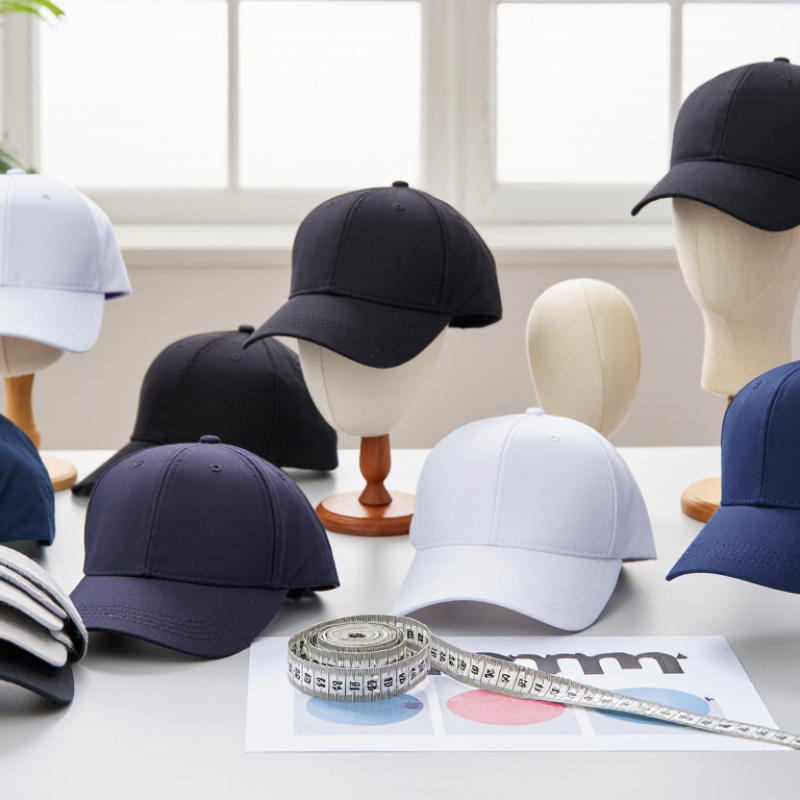
Before requesting a bulk quote, decide where and how the fitted caps will be worn. Caps for outdoor staff need breathable panels and durable stitching. Team uniforms may call for consistent colors and a clean, understated finish. Event giveaways face different demands: comfort across varied head shapes may matter more than premium materials.
Write down the specifications that affect fit and use. Include head-size range, crown depth, brim shape, fabric weight, color, and any embroidery placement. Fitted caps do not have adjustable closures, so accurate sizing is especially important. Measure several intended wearers rather than relying on one person’s fit. A small size gap can leave some caps unworn.
Check a physical sample before approving the full quantity. Wear it for an hour, inspect the seams, and note whether the crown feels tight or shifts during movement. Ask the supplier how sizes are measured and whether production tolerances may vary. It can feel slow. Still, correcting a size mix before production is easier than storing boxes of caps that fit poorly. Bulk plans can get fuzzy; record each approved detail in a simple specification sheet.
When buying fitted baseball caps in bulk, start with measured head circumference rather than a guessed average. Use a soft tape just above the ears and across the forehead, keeping it level. Record measurements from your intended wearers, then compare them with the supplier’s size chart. Fit comes first. A cap that feels snug in a fitting room may become uncomfortable after several hours outdoors.
Choose a size range that reflects your actual audience. If measurements cluster near two sizes, order samples in both before confirming the full quantity. Check the fit while walking and bending, not only while standing still. Small differences matter. Crown depth, panel shape, and brim curve can change how a cap sits, even when the labeled size matches. Bulk orders leave less room for correction, so inspect samples from more than one production batch when possible.
Headwear style should suit both the wearer and the setting. A low-profile crown can feel understated, while a structured, higher crown creates a more defined shape. Curved brims often feel familiar for everyday wear; flatter brims give a sharper look but may not suit everyone. Ask about fabric weight and lining, especially for warm-weather use. A common mistake is choosing one style from a product photo alone. Photos can hide a shallow crown or a stiff brim, so request clear side views and try-on samples before finalizing quantities.
Material affects comfort, appearance, and how well a cap holds its shape. Polyester dries quickly and resists everyday wear, while cotton often feels softer but may show fading sooner. Wool blends can feel substantial, though they may need more careful handling. Ask for the fiber percentages and care instructions, not just a fabric name. A soft hand-feel can fool you. Request a sample and wear it for several hours; note heat, sweatband comfort, and whether the color transfers when rubbed with a damp cloth.
Construction deserves a close look. Check that panel seams lie flat, stitching stays even, and the brim keeps its curve without feeling brittle. Compare the sweatband, interior taping, and crown structure across samples. Small differences matter. Confirm that the fitted size range suits your group, since even a well-made cap is a poor bulk buy if sizing runs inconsistent. For customization, ask how embroidery, woven labels, or printed details affect cost and lead time. Send artwork with clear dimensions, then approve a physical sample to check thread color and logo placement. I would not rely on a screen preview alone; it can make small lettering look sharper than it appears on fabric.
| Tip | What to Compare | Practical Details | Bulk-Buying Check |
|---|---|---|---|
| 1. Choose the right fabric | Fiber content, weight, breathability, and care requirements | Cotton is breathable and has a natural feel. Polyester is generally quick-drying and holds its shape well. Blends can balance comfort, durability, and moisture management. Fabric performance depends on the knit or weave and finishing, not just the fiber name. | Request a fabric swatch or sample and confirm the exact fiber content, color, and care instructions before approving the order. |
| 2. Check the crown construction | Structured versus unstructured crown; panel count and shape | A structured crown uses a stiffener in the front panels to help the cap retain a defined shape. An unstructured crown is softer and more relaxed. Six-panel designs are common; panel seams and crown depth affect appearance and fit. | Ask for a physical sample to assess crown height, front-panel stiffness, and how the cap looks when worn. |
| 3. Verify the fitted size range | Available sizes, measurement method, and size grading | Fitted caps do not use an adjustable closure, so each wearer needs a size that matches their head circumference. Size labels and grading can differ between suppliers; compare the supplier’s measurement chart rather than assuming labels are interchangeable. | Measure representative wearers and request samples in multiple sizes. Confirm the quantity split by size before production. |
| 4. Inspect the bill and finishing | Bill shape, stiffness, stitching, eyelets, and sweatband | Bill curvature and stiffness influence the cap’s profile. Look for even stitching, securely finished seams, clean eyelet openings, and a sweatband that sits comfortably against the forehead. | Inspect samples for loose threads, uneven seams, inconsistent bill shape, and differences between sizes or colors. |
| 5. Match customization to the artwork | Embroidery, woven or sewn-on patches, and printed decoration | Embroidery creates a stitched, textured finish and is often suitable for simple logos or lettering. Small text and fine details may need to be simplified. Patches can accommodate some intricate artwork, while printed methods may suit designs with fine color detail, depending on the fabric and process. | Submit final artwork early and approve a decorated sample. Check placement, dimensions, thread or ink colors, and legibility at the intended size. |
| 6. Confirm order requirements and schedule | Minimum order quantity, size and color splits, sample approval, and production timing | Minimums, available colorways, and production schedules vary by supplier and customization method. Sample development, artwork approval, and shipping can add time beyond manufacturing. | Get the minimum quantity, itemized costs, production milestones, shipping terms, and delivery estimate in writing before placing the order. |
| 7. Compare total value, not just unit price | Product quality, decoration, packaging, shipping, and defect policy | A lower quoted unit price may exclude setup, sampling, decoration, packaging, or freight. Specifications and inspection standards help make quotes comparable and reduce misunderstandings. | Compare complete landed costs and confirm how sizing errors, color variation, or defective units will be handled. |
Tip 1: Evaluate suppliers with a sample, not just product photos. Check the cap’s crown shape, brim curve, closure, and stitching. Ask for fabric details and a size chart, then compare them with the sample in hand. A small measurement difference can affect how a fitted cap sits. Request written specifications for the production run, too. Photos can hide flaws.
Tip 2: Confirm the minimum order before comparing quotes. One supplier may require 100 caps per size, while another may allow mixed sizes within one order. Ask whether colors and sizes count toward separate minimums. If the quantity feels high, request a smaller trial run and note any added sample or setup costs. Get it in writing. I’d avoid ordering more than you can store or distribute comfortably.
Tip 3: Compare the full bulk price, not only the quoted unit cost. Ask for tiered pricing at several quantities, plus separate charges for custom embroidery, packaging, freight, and order changes. Small details matter. Check the quote’s validity period and ask how shortages or defective caps are handled. A lower price may not be better if it excludes key costs or leaves replacement terms unclear. Keep the quote and approved sample together for reference.
Before placing a large order, request samples in the exact cap style, fabric, and color you plan to buy. Check the crown shape, stitching, closure, and brim under ordinary indoor light. Try several sizes on different people. A cap that fits one volunteer may pinch another. Measure the inner band, too. Small differences matter.
Confirm delivery terms in writing, including production time, shipping method, carton quantity, and the date the order is expected to arrive. Ask whether the schedule begins after sample approval or payment. That detail can shift the timeline. Request an update if production runs late, and leave a few days for inspection before an event. Tight deadlines are risky.
Read the return policy before approving production. Custom or bulk orders may have limits on returns, so clarify what happens if caps arrive damaged, incorrectly sized, or different from the approved sample. Ask how soon you must report a problem and what evidence is needed. Keep the sample, order confirmation, and clear photos of any defects. I once focused too much on the unit price and missed a delivery condition; it was a useful reminder to review the paperwork slowly. Even careful checks cannot remove every surprise.
Checklist counts: The bars show how many practical checks are included for each buying tip. These are checklist counts, not market statistics.
Hi! Simply click below and type your query.
Our experts will reply you very soon.
