10 Steel Frame Shed Buying Tips for Global Buyers
Buying a Steel Frame Shed from an overseas supplier involves more than comparing prices and photographs. A neat product image cannot show whether the frame suits your site, climate, or intended use. Small details matter. Steel thickness, coating type, connection design, and included fasteners can affect durability and assembly.
This guide presents ten practical checks for global buyers. It explains how to compare dimensions, confirm what the quoted price includes, and assess shipping and installation requirements. Ask about structural loads for your location, including wind and snow where relevant. Confirm that the foundation recommendations match your ground conditions. A shed designed for one climate may need different specifications elsewhere.
Supplier checks deserve equal care. Request clear drawings, material information, warranty terms, and written answers about packaging or replacement parts. Review local building requirements with qualified professionals before ordering; supplier statements alone may not settle those questions. Photos and certificates can help, but they do not replace careful verification. That takes time.
Even experienced buyers can miss a detail, especially when specifications use unfamiliar units or vague wording. I would double-check measurements and clarify any unanswered point before payment. The following tips are meant to make that process more focused, not to promise a perfect purchase. Compare like with like, keep the documents, and choose a shed that fits real site conditions—not just the lowest quotation.
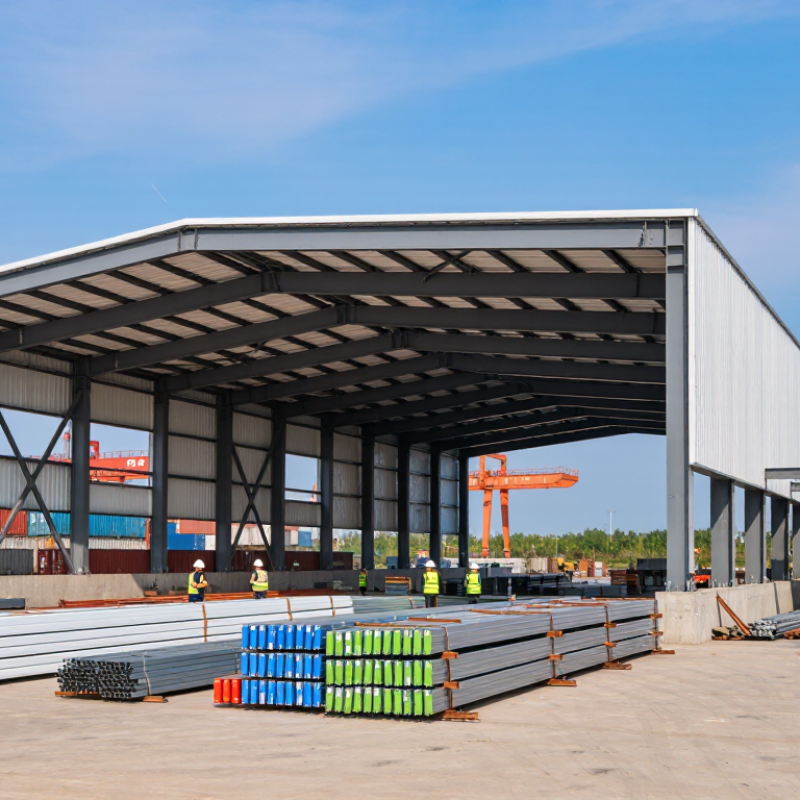
Define the Shed’s Purpose, Size, and Site Requirements
Start by defining what the shed must do. A structure for pallet storage needs clear aisles and suitable door openings. A workshop may need room for benches, lighting, and ventilation. Check the height of your tallest equipment, including raised cabs or lifted loads. A few extra feet can prevent daily frustration.
Tip: List stored items and their dimensions. Mark door and aisle locations on a simple sketch. Measure twice. Plans change.
Next, assess the site before settling on dimensions. Note slopes, soft ground, drainage paths, and nearby trees. A level-looking patch can still collect water after heavy rain. Check turning space for delivery vehicles, too; a shed that fits on paper may be difficult to reach. Confirm expected wind and snow loads with a qualified local building professional.
Leave working clearance around the frame for assembly and future maintenance. Consider where doors will swing and whether roof runoff could affect paths or stored materials. One detail people often underestimate is usable interior space: frame members and bracing can reduce it. Recheck the layout against real equipment, not just a rough estimate.
Compare Steel Grades, Frame Design, and Protective Coatings
Steel grades affect strength, weldability, and the frame’s required thickness. Compare the grade against the design specification, not just the quoted price. Grade names can vary between standards, so request the applicable standard and material test documents. Check that the stated steel suits the building’s wind, snow, and intended use. A heavier section is not automatically a better choice.
Frame design determines how loads travel through the shed. Ask for drawings showing bay spacing, column sizes, roof members, bracing, and connection details. A wide roller door can interrupt wall bracing, while a long, open interior may need a different frame layout. Small details matter. Confirm that the design reflects local site conditions and the planned foundation. If drawings are unclear, pause and ask for revised ones; it is easy to miss a connection detail during a quick review.
Protective coatings deserve the same scrutiny as the steel itself. Galvanizing can suit exposed conditions, while a paint system may fit other environments. Near salt air or where condensation is common, ask about surface preparation, coating thickness, and repair procedures for scratched edges. “Corrosion resistant” alone is too vague. Compare the specified coating system with the shed’s real exposure, and check whether cut surfaces and fasteners receive protection too. No coating removes maintenance needs, though inspection intervals may differ.
Steel Frame Shed Buying Tips: Compare Minimum Yield Strength
Minimum specified yield strength of selected structural steel grades commonly used in building components.
ASTM A36 has a minimum yield strength of about 250 MPa; ASTM A572 Grade 50 and ASTM A500 Grade C rectangular tubing are about 345 MPa. ASTM A500 Grade B rectangular tubing is about 317 MPa. Higher yield strength alone does not determine frame capacity: section shape, thickness, connections, bracing, and design loads also matter. Protective coatings address corrosion and should be compared separately by coating type and specification.
Check Building Codes, Certifications, and Regional Compliance
A steel frame shed must meet the rules where it will be built, not just the standards listed in a supplier’s brochure. Before ordering, confirm local requirements for permits, structural loads, fire performance, drainage, and intended use. Wind, snow, and seismic conditions can vary sharply between nearby sites. A shed near a coast may also need corrosion protection suited to salt air. Ask a local building professional or authority to confirm the applicable code edition.
Tips: Request engineering drawings, material specifications, and test certificates before paying a deposit. Check that documents identify the exact frame system and can be accepted by your regional authority. Verify who is responsible for permit submissions. Keep written records.
Certification labels are useful, but they do not automatically prove compliance in every country or province. Ask whether testing was performed by a recognized body and whether the report covers your building’s dimensions, connections, and intended loads. Compare the drawings with the actual site conditions, including soil and access for installation. One detail is easy to overlook: anchor design depends on both the foundation and local ground conditions. I would not treat a generic certificate as a substitute for project-specific review.
Evaluate Suppliers, Manufacturing Quality, and Warranty Terms
Buying a steel-frame shed remotely means checking evidence, not just comparing prices. The World Steel Association’s World Steel in Figures 2024 reports 1,892.2 million tonnes of crude steel production in 2023. That scale does not guarantee consistent quality in a particular order. Request material certificates linked to steel heat numbers, plus records for weld inspection and coating thickness. Check that drawings specify member sizes, steel grades, and connection details. Numbers can mislead. A polished catalogue cannot show a poorly finished weld or thin paint at a cut edge.
Tip: Ask for photos of recent production, a sample inspection report, and the inspection plan for your order. Confirm who pays for independent inspection and when it can happen. Compare the documents with the purchase specification. Small gaps matter.
Read warranty terms before paying a deposit. Check whether coverage applies to the frame, corrosion protection, roof leaks, or all three. Look for exclusions involving coastal exposure, installation, maintenance, and damage during transport. Ask how claims are assessed, what remedy is offered, and who covers removal or replacement costs. A long warranty can still be narrow. I would not rely on the headline duration alone; even experienced buyers can miss exclusions buried in a separate document.
Calculate Total Costs, Shipping, Installation, and Long-Term Care
A low shed price is only the starting point. Compare the delivered cost: frame, panels, fasteners, packaging, inland haulage, ocean freight, insurance, customs charges, unloading, and local taxes. UNCTAD’s Review of Maritime Transport 2024 reports that more than 80% of global trade by volume moves by sea. That makes port delays and freight changes relevant, not minor details. Ask suppliers to state the shipment basis, container dimensions, loading plan, and who pays for crane time. Check that the quote includes every frame member and connection plate. Small omissions add up.
Installation needs its own budget. Confirm the foundation design, site access, anchor-bolt layout, and crew requirements before ordering. A truck may reach the site, but a crane may not. Request drawings that show bay spacing, roof pitch, and door openings, then have a qualified local professional check them against site conditions. Include insulation, ventilation, drainage, and condensation control; these can affect both comfort and stored goods. A tidy quote can still leave costly gaps.
Plan care before the first rainy season. Inspect roof fasteners, sealant, gutters, and cut edges at least annually, and after severe weather. Remove debris around the base, where moisture can linger. The American Galvanizers Association’s guidance on zinc-coating performance emphasizes that corrosion rates depend on the exposure environment. Coastal salt, industrial pollution, and trapped water deserve closer attention than a dry inland site. Budget for touch-up coatings and replacement fasteners, but avoid assuming one maintenance schedule fits every climate.

