- Ambawadi, Ahmedabad, Gujarat
- View Mobile Number

How to Source Toasted Garlic from Global Suppliers
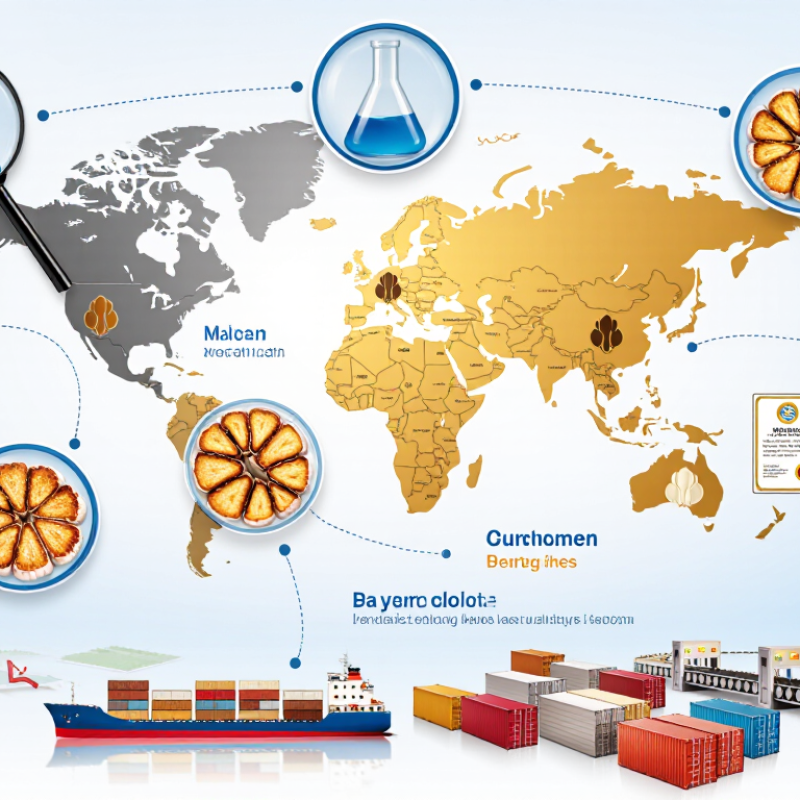
Sourcing Toasted Garlic globally requires more than comparing prices on a supplier spreadsheet. Buyers must evaluate crop origin, processing controls, product consistency, and delivery reliability. FAOSTAT production data shows that garlic supply is highly concentrated in major producing countries, especially China. This concentration creates efficiency, but it can also increase exposure to weather, logistics, and regional supply disruptions.
Quality begins at the processing line. Ask suppliers about garlic variety, slicing thickness, roasting temperature, oil usage, moisture levels, and packaging conditions. A reliable supplier should provide recent certificates of analysis, microbial test results, allergen statements, and batch traceability records. The CBI report on dried garlic highlights food safety, transparent documentation, and buyer-specific specifications as important European market requirements. USDA Foreign Agricultural Service reports also show how agricultural trade can be affected by harvest conditions, freight costs, and changing import controls.
The details matter. A sample may look evenly golden, yet contain burnt edges or a soft center after rehydration. That small difference can change flavor, shelf life, and customer acceptance. Request samples from multiple production lots, not only one attractive batch. Compare aroma, color, crunch, moisture, and packaging performance.
Do not trust a low quotation too quickly. It may exclude testing, inland transport, or secondary packaging. However, supplier documents are not proof of perfect performance. They still need verification through audits, independent testing, and trial orders. This sourcing process is slower, but it reduces avoidable surprises when purchasing Toasted Garlic at commercial scale.
Define Toasted Garlic Specifications and Quality Requirements
Before contacting global suppliers, define toasted garlic as a measurable ingredient, not a flavor description. Specify garlic variety, origin preference, cut size, toast level, and intended application. A soup base may need pale-gold granules. A snack coating may require darker, finer pieces. Describe aroma clearly: sweet, nutty, clean, and free from burnt or rancid notes. State an acceptable color range with reference samples or calibrated images. Visual language alone causes disputes.
Set numerical limits for moisture, water activity, particle size, and foreign material. Low moisture supports crispness, but excessive heat can create bitterness and uneven color. Ask suppliers for microbiological results, pesticide-residue compliance, allergen statements, and a current certificate of analysis. Confirm testing methods and sampling plans, rather than accepting unexplained pass results. Inspect a pre-shipment sample for texture, breakage, odor, and rehydration performance. Keep retention samples from each lot. They matter later.
Packaging specifications deserve equal attention. Use moisture-barrier bags, sealed cartons, lot coding, production dates, and storage instructions. Require traceability from processed garlic back to raw materials and facility records. Clarify shelf life under stated temperature and humidity conditions. Supplier audits can reveal practical risks, including dusty handling areas or inconsistent sieve control. One weakness remains: color can shift during transit. Build an agreed tolerance and corrective-action process before purchase. It saves arguments, though not every defect is predictable.
How to Source Toasted Garlic from Global Suppliers - Define Toasted Garlic Specifications and Quality Requirements
| Specification Dimension | Recommended Requirement | Acceptance Guidance | Verification Method | Sourcing and Quality Notes |
|---|---|---|---|---|
| Product identity | Toasted garlic made from cleaned, dried garlic cloves or granules that have been heat-treated to develop a toasted flavor and color. | The product description, ingredient statement, and purchase specification should use the same product definition. | Review specification sheet, product label, process description, and representative sample. | Confirm whether the product is toasted garlic only or contains oil, salt, starch, anti-caking agents, or other ingredients. |
| Ingredient composition | Garlic: 100% for a single-ingredient product. Any processing aid or additive must be declared and approved before shipment. | No undeclared ingredients, allergens, artificial colors, or unauthorized additives. | Ingredient review, allergen statement, supplier declaration, and periodic laboratory testing. | Requirements vary by destination market; align the specification with applicable food regulations. |
| Raw material condition | Sound, mature garlic with no visible mold, insect damage, excessive discoloration, foreign matter, or abnormal odor before toasting. | Raw material should be suitable for human consumption and traceable to an approved supplier or production lot. | Incoming inspection, supplier records, and risk-based residue or contaminant testing. | Define acceptable limits for damaged pieces and foreign material in the purchasing specification. |
| Form and particle size | Specify the required form: flakes, minced pieces, granules, powder, or other cut size. Example granule range: 1–3 mm. | Typically 90% or more within the agreed sieve range, unless a different tolerance is contractually defined. | Sieve analysis using calibrated screens and visual inspection of fines or oversized pieces. | Particle size affects dosage, flavor release, flowability, and suitability for seasoning blends. |
| Color | Uniform light golden to medium brown toasted color, with no widespread blackened or charred pieces. | Set a reference sample or instrumental color range for repeat orders. | Visual comparison under standardized lighting; optional colorimeter measurement. | Color is influenced by garlic variety, particle size, temperature, and residence time. |
| Flavor and aroma | Clean, characteristic garlic aroma with a roasted or toasted note; free from musty, rancid, chemical, smoky, or burnt odors. | Sensory profile should be consistent with the approved reference sample. | Sensory panel evaluation using a documented scoring sheet. | Define whether a mild, medium, or strong toasted profile is required for the final application. |
| Moisture | Common commercial target: not more than 6–8%, subject to product form and validated shelf-life performance. | Product must remain free-flowing and show no caking or visible moisture migration. | Validated oven, infrared, or moisture-analyzer method with defined sampling plan. | Lower moisture generally supports stability, but the buyer should confirm the target through shelf-life testing. |
| Water activity | Set a product-specific target, commonly below 0.60 for a stable low-moisture dried ingredient. | No evidence of moisture uptake during storage under the agreed packaging conditions. | Calibrated water-activity meter at a controlled sample temperature. | Water activity should be evaluated together with moisture, packaging, and microbiological results. |
| Foreign material | Free from stones, soil, glass, metal, plastic, insects, and other extraneous material. | No visible foreign material; supplier should operate documented foreign-material controls. | Visual inspection, sieving, magnets, metal detection, and documented line controls. | Ask for the metal-detector sensitivity and corrective-action procedure where applicable. |
| Microbiological safety | Agree limits for total plate count, yeast and mold, coliforms or Enterobacteriaceae, and pathogens according to the intended use and destination regulations. | Pathogens such as Salmonella should be absent in the analytical portion specified by the applicable standard or contract. | Testing by an accredited or appropriately qualified laboratory using recognized methods. | Low water activity does not replace hygienic processing and finished-product testing. |
| Contaminants and residues | Comply with applicable maximum levels for pesticide residues, heavy metals, mycotoxins, and other regulated contaminants. | Results must meet the legal requirements of the importing country and the buyer’s risk assessment. | Risk-based laboratory analysis and review of agricultural and processing controls. | Testing frequency should reflect origin, raw-material risks, process history, and regulatory requirements. |
| Process controls | Documented controls for cleaning, drying, toasting temperature, residence time, cooling, sieving, and packing. | Critical process parameters should be monitored, recorded, and linked to the finished-product lot. | Supplier questionnaire, audit, batch records, and process-validation evidence. | Excessive heat may create burnt flavor and undesirable thermal degradation products; require validated controls. |
| Packaging | Food-grade, sealed packaging with an effective moisture and oxygen barrier suitable for dried ingredients. | Packaging must be intact, clean, correctly labeled, and free from leakage, tears, or condensation. | Packaging inspection, seal check, material declaration, and transport simulation where required. | Specify inner liner, outer case or sack, net weight, palletization, and whether nitrogen flushing is required. |
| Labeling and traceability | Product name, ingredient statement, net weight, lot code, production date, best-before date, storage conditions, and country of origin where required. | Every shipment should be traceable from finished lot to raw material and processing records. | Document review and traceability or mock-recall test. | Confirm label language, barcode format, allergen declaration, and import documentation before production. |
| Shelf life and storage | Set a validated shelf life, commonly 12–24 months for a properly dried and packaged product. | No unacceptable loss of flavor, color, texture, or microbiological quality during the declared period. | Real-time or accelerated shelf-life study with defined test intervals. | Store sealed in a cool, dry, odor-free area away from direct sunlight and moisture. |
| Certificates and documents | Product specification, certificate of analysis, allergen statement, safety data where applicable, packing list, invoice, and origin documents as required. | Documents must match the lot number, quantity, product description, and shipment details. | Pre-shipment document review and random verification of analytical results. | Request recognized food-safety certification or audit evidence appropriate to the risk and market. |
| Sampling and approval | Approve a pre-production or commercial sample before issuing a recurring purchase order. | Retain an approved reference sample and define the lot-release criteria in writing. | Representative sampling from multiple cartons or bags using a documented plan. | Avoid relying on a single surface sample because color, moisture, and particle size may vary within a lot. |
| Commercial terms | Define minimum order quantity, lead time, annual volume, payment terms, delivery term, shipment temperature requirements, and claims procedure. | Commercial terms should protect product quality through loading, transit, customs clearance, and delivery. | Compare supplier quotations using the same specification, packaging, delivery term, and testing scope. | Evaluate total landed cost rather than unit price alone, including testing, freight, duties, packaging, and potential quality losses. |
