What Is a Screw Air Compressor and How Does It Work?

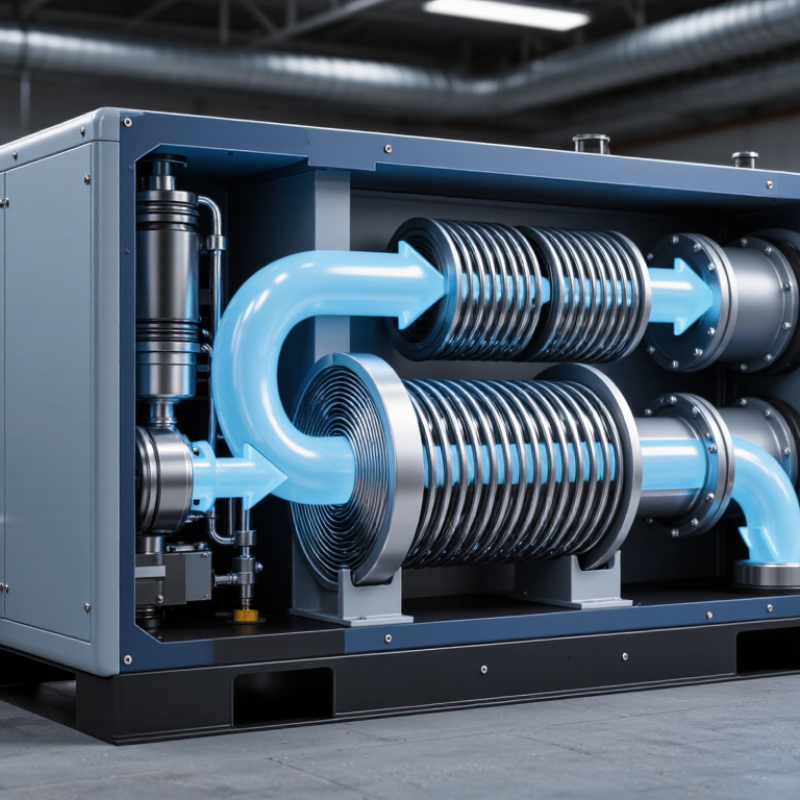
A screw air compressor produces compressed air through two precisely shaped, rotating helical rotors. These rotors sit inside a close-fitting housing. As they turn, air enters through the inlet port and fills the spaces between the rotor lobes. The trapped air then moves along the rotors toward the discharge side. Its available volume becomes smaller, so pressure rises. That is the basic working principle.

The process feels continuous rather than abrupt. A piston compressor draws and compresses air in separate strokes, while a screw air compressor can deliver a steadier flow. Oil-injected models use oil to seal tiny clearances, remove heat, and lubricate the rotors. A separator later removes most oil from the compressed air. Oil-free designs use special coatings, timing gears, or other engineering controls. Each choice affects maintenance, air purity, energy use, and purchase cost.

In a busy workshop, this difference is easy to notice. Air tools run with fewer pressure swings, and production lines receive a more consistent supply. Yet the machine is not magically efficient. Dirty filters, incorrect oil, poor ventilation, or leaks can quietly increase operating costs. Real installations are less tidy than textbook diagrams. Temperature, load patterns, and service quality all matter. This article explains the components, airflow path, compression stages, and practical benefits of screw technology. It also considers limitations, because reliable equipment depends on informed selection and disciplined maintenance. No single compressor suits every plant. Performance must be judged against actual demand.
What Is a Screw Air Compressor and How Does It Work?

What Is a Screw Air Compressor?

A screw air compressor is a rotary machine that produces compressed air with two matching helical rotors. These rotors turn inside a carefully machined chamber. Air enters through the inlet, fills the spaces between the rotor grooves, and moves toward the outlet. As the spaces become smaller, the air pressure rises.

Simple in principle.

Many industrial models use oil during compression. The oil helps seal small clearances, reduce friction, and carry away heat. A separator then removes most of the oil from the compressed air before delivery. Oil-free designs use different sealing and cooling methods, but they often require tighter manufacturing control. Their suitability depends on air-quality requirements, not marketing language alone.

In daily operation, screw compressors provide a steady air supply for factories, workshops, and automated equipment. They usually run more smoothly than reciprocating compressors because airflow has fewer strong pressure pulses.

However, performance depends on inlet temperature, ventilation, filter condition, and correct lubrication. I have seen a clean compressor lose efficiency because its intake filter was neglected. That detail is easy to miss.

Maintenance records should include oil changes, separator inspection, belt or coupling checks, and operating pressure. A higher pressure setting does not always improve production. It can increase energy use and stress. Choosing the right model requires examining air demand, duty cycle, required cleanliness, and available space.

What Are the Main Components of a Screw Air Compressor?

A screw air compressor traps air between two counter-rotating helical rotors. The air-end performs the actual compression. An electric motor supplies torque through a coupling or gear set. A strong housing keeps the rotors aligned. Small clearances matter. Even minor wear can reduce efficiency and raise discharge temperature.

The inlet filter removes dust before air reaches the inlet valve. Inside the air-end, oil may seal gaps, lubricate bearings, and remove heat. The oil separator then separates oil from compressed air. A scavenge line returns collected oil to the circuit.

Coolers reduce air and oil temperatures before discharge. The controller adjusts capacity through inlet modulation, variable speed, or load-unload operation. A minimum-pressure valve also protects stable oil circulation.

The U.S. Department of Energy’s Improving Compressed Air System Performance sourcebook reports that compressed air can consume about 10% of industrial electricity. It also identifies leakage losses of 20–30% of compressor output in many facilities. Those figures make the separator, control system, and pipe connections more than secondary details. They affect operating cost every hour.

During field checks, I would inspect the separator pressure drop, cooler cleanliness, and unusual rotor noise. A clean machine can still perform poorly. That is the uncomfortable part. Maintenance records often miss small leaks, while operators focus only on the compressor display. ISO 1217 testing provides a useful performance reference, but site conditions rarely match laboratory measurements exactly.

How Does a Screw Air Compressor Work Step by Step?

A screw air compressor produces compressed air through two meshing helical rotors inside a precisely shaped housing. The process begins when atmospheric air passes through an intake filter. This filter removes dust before it can damage the rotors. The inlet valve then controls how much air enters the compression chamber.

Inside the chamber, the male and female rotors turn continuously. Air becomes trapped between their grooves and the housing wall. As the rotors rotate, the available space becomes smaller. Pressure rises steadily. In an oil-injected design, a fine oil spray cools the air, reduces friction, and helps seal tiny gaps. Oil-free machines use different sealing and cooling methods. The basic principle remains similar.

The hot air-oil mixture leaves the rotors and enters a separator vessel. There, most oil drops out of the air and returns to the lubrication circuit. The remaining compressed air passes through a minimum-pressure valve and an aftercooler. Cooling removes heat and allows moisture to condense. A moisture separator drains part of that water. The air then travels into a storage tank or the plant piping.

A pressure sensor monitors demand. When pressure reaches the set point, the inlet valve closes or partly unloads the compressor. When pressure falls, loading begins again. The sequence sounds tidy on paper. Real machines are less forgiving. A blocked filter, poor drainage, or high ambient temperature can change the result quickly. Technicians should check gauges, leaks, oil condition, and cooler cleanliness during routine inspections.

What Are the Main Types of Screw Air Compressors?

Screw air compressors are commonly divided by how they manage oil and motor speed. The two main air-end designs are oil-injected and oil-free. Oil-injected models spray oil into the compression chamber. This oil cools moving parts, seals small gaps, and reduces wear. They usually deliver efficient operation for workshops, factories, and general plant air.

Oil-free compressors keep lubricating oil away from the compression chamber. Special coatings, timing gears, and separate cooling systems support this design. They suit applications where air purity matters, such as electronics, pharmaceuticals, and food processing. However, oil-free does not mean maintenance-free. Filters, seals, coolers, and air treatment equipment still require careful inspection.

Screw compressors also come as fixed-speed or variable-speed machines. A fixed-speed model runs at one motor speed, making it practical for steady demand. A variable-speed model adjusts motor speed as air consumption changes. This can reduce unloaded running and energy waste. In real installations, demand is rarely perfectly stable. That is the difficult part. A variable-speed unit may not always repay its higher purchase cost, especially with constant, high air demand. Engineers should compare pressure requirements, operating hours, leakage, cooling conditions, and maintenance records before choosing. A slightly oversized compressor can cycle poorly, while an undersized one may run hot and struggle during production peaks.

What Is a Screw Air Compressor and How Does It Work?

Typical operating pressure bands for major screw-compressor classifications

A screw air compressor uses two intermeshing helical rotors to continuously trap and reduce air volume. Oil-injected models use oil inside the compression chamber for sealing, cooling, and lubrication, while oil-free models keep oil out of the compression chamber. Single-screw and twin-screw designs describe the rotor arrangement; both can be built as oil-injected or oil-free machines.

The chart shows representative industrial operating bands in bar(g). Actual pressure depends on compressor design, cooling method, airflow, and manufacturer specifications.

What Are the Common Applications and Maintenance Needs?

Screw air compressors serve many workplaces because they deliver steady compressed air for long operating periods. Manufacturing lines use them for pneumatic tools, actuators, packaging equipment, and CNC machinery. Workshops often rely on smaller units for spray equipment, impact wrenches, and tire service. Construction sites may use compressors for drilling and surface preparation, although dusty conditions demand stronger filtration.

Air quality requirements vary by application. Food, pharmaceutical, and electronics operations usually need carefully treated air, not just a compressor. Dryers, filters, and suitable condensate control help reduce moisture, oil carryover, and particle contamination. An oil-free design may be appropriate in sensitive areas, but the complete air system still needs regular testing. The compressor alone cannot guarantee clean air.

Maintenance begins with daily observation. Check unusual noise, rising discharge temperature, pressure changes, and oil leaks. Inspect intake filters and clean coolers before dust becomes a thick layer. Replace oil, oil filters, and separators according to operating hours and site conditions. Drain condensate safely, and inspect hoses for small leaks. A faint hiss can waste significant energy over time.

Keep records.

Technicians should also check belts, couplings, valves, and vibration trends. Follow the service instructions for clearances and lubricant selection. A perfect schedule is rarely perfect; heavy dust, heat, and stop-start operation can shorten service intervals. Ignoring those conditions is a common maintenance mistake. Shutdowns may then arrive during the busiest production shift.

Article Source:


Close

Raise your Query

Hi! Simply click below and type your query.

Our experts will reply you very soon.

WhatsApp Us
