What is a Membrane Press Machine and How Does It Work?
A Membrane Press Machine is an essential tool in various industries, especially in furniture and automotive manufacturing. This machine uses heat and pressure to mold materials, providing precise results. Its significance lies in its ability to create uniform surfaces on curved and flat materials.
Understanding how a Membrane Press Machine works can enhance manufacturing processes. The machine employs a flexible membrane that tightly conforms around a substrate. Heat activates special adhesives, ensuring a strong bond. This technique can efficiently handle diverse materials, expanding production capabilities.
However, there are challenges. Improper settings may lead to defects in the finished product. Thus, users must have experience and knowledge to operate the machine effectively. Investing time in learning about this technology can prevent costly mistakes. Adopting best practices ensures reliability and high-quality output in the final products.
What is a Membrane Press Machine?
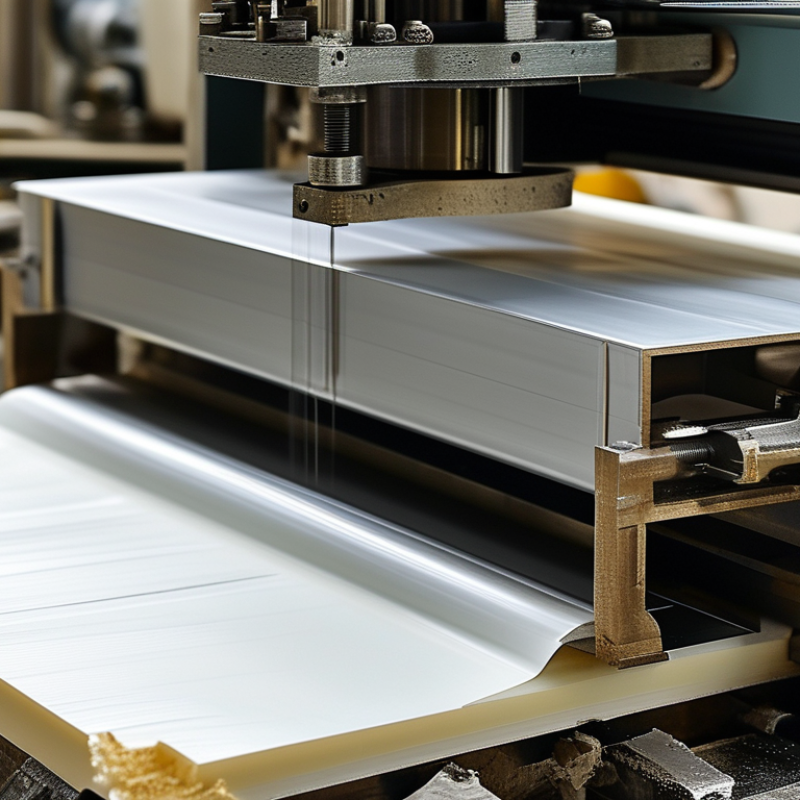
A membrane press machine is a specialized tool used in various manufacturing processes. Its primary function involves the application of heat and pressure to bond materials together. This technique is widely utilized in industries like woodworking and furniture production. The machine uses a flexible membrane to ensure an even distribution of pressure over the surface being processed.
When operating a membrane press machine, one must consider the specific materials involved. Different substrates may require varying temperatures and pressure levels. The machine typically includes a plate and a heating element to enable the bonding process. Even slight variations in temperature or pressure can result in suboptimal outcomes, leading to potential product flaws.
Understanding the machine's mechanics is crucial. Operators must learn how to adjust settings to achieve the best results. Experimentation often helps to identify ideal conditions for different materials. There is always a learning curve. Emphasizing precision and care can reduce the likelihood of mistakes. However, the process can still present challenges, prompting operators to continually refine their techniques for improved efficiency.
What is a Membrane Press Machine and How Does It Work?
| Feature | Description |
| Machine Type | Membrane Press |
| Main Function | Laminating, pressing and shaping materials |
| Common Materials | Wood, plastics, and composites |
| Operating Principle | Uses heat and pressure to conform materials to a mold |
| Applications | Furniture manufacturing, automotive parts, and decor elements |
| Key Advantages | High precision, versatility, and efficiency in production |
| Typical Pressure | Up to 100 bar (1450 psi) depending on the application |
| Heat Source | Electric, hot water, or steam heated platens |
Key Components of a Membrane Press Machine
A membrane press machine is essential in various manufacturing processes. Understanding its key components is crucial for optimizing performance. One of the primary elements is the membrane itself, which serves as a flexible barrier. This membrane applies pressure to adhesive materials and facilitates even distribution. The quality of the membrane can significantly impact the final product quality. Research indicates that about 70% of operational issues stem from membrane failures.
The heating system is another vital component. It uses hot air or steam to heat the membrane, ensuring a strong bond between surfaces. Effective temperature control is critical, as overheating can damage materials. A study from the American Institute of Steel Construction emphasizes that precise temperature adjustments can enhance bonding strength by up to 30%. Moreover, the machine's frame structure should be robust to withstand high pressures. A weak frame may lead to uneven pressure distribution.
Lastly, the
control panel is essential for monitoring and adjusting settings. Operators interact with it to set temperatures and times based on specific materials. A report from the
National Institute of Manufacturing highlights that user-friendly interfaces can reduce operator errors by
25%. While membrane press machines are powerful, they require regular maintenance. Neglecting this can lead to decreased efficiency and increased operational costs.
How Does a Membrane Press Machine Operate?
Membrane press machines play a significant role in various manufacturing processes, particularly in the furniture and construction industries. They use a unique method to apply pressure and heat to laminate surfaces onto boards. This process involves a flexible membrane that closely conforms to the shape of the material. The machine's ability to adapt to different forms allows for a high-quality finish, crucial for aesthetics and durability.
The operation of a membrane press machine starts with loading the material onto the press bed. Next, a heating element raises the temperature, activating the adhesive on the laminate. The flexible membrane then descends, enveloping the material. This creates an even distribution of pressure, ensuring a tight bond. The heating and pressing are controlled by timers, ensuring precision in cycles. However, this process can sometimes lead to uneven finishes if parameters are not carefully monitored. Adjusting the settings may require experimentation and adjustments, which might not yield instant results.
The efficiency of the membrane press machine relies heavily on the combination of temperature, time, and pressure. An incorrect balance can result in defects or incomplete adhesion. Operators need to be trained and aware of these nuances. Despite advancements in technology, challenges remain. Each product might behave differently under various conditions, making it essential to continuously evaluate procedures. This process underscores the blend of art and science in achieving optimal results.
Applications of Membrane Press Machines in Industries
Membrane press machines are essential in various industries, primarily due to their efficiency and versatility. These machines use heat and pressure to transfer designs onto surfaces, making them popular in woodworking, automotive, and textiles. The growing demand for custom designs in these sectors has spurred an increase in membrane press machine applications.
In the woodworking industry, membrane presses are often employed to create curved surfaces or finishes for furniture. According to a report by MarketsandMarkets, the global woodworking machinery market is projected to reach $10.04 billion by 2025, fueled by innovations in pressing technology. This reveals the increasing need for efficient manufacturing processes, which membrane presses fulfill.
Tip: Ensure regular maintenance of the membrane press machine. Proper upkeep can extend its lifespan and improve product quality.
The automotive industry also benefits from membrane press machines. They are used for producing interior components, like dashboard coverings and door panels. The versatility of membrane presses allows manufacturers to explore various materials, enhancing product offerings. A report from Allied Market Research indicates that the global automotive interior materials market is expected to reach $78.87 billion by 2025. Such figures highlight how integral these machines are to modern production.
Tip: Experiment with different materials to discover new design possibilities. This can lead to unique products that stand out in the marketplace.
Membrane press machines are evolving, yet challenges remain. Achieving consistent quality and managing production speed are areas that require attention. As this technology advances, practitioners must adapt to maintain a competitive edge in their respective industries.
Advantages of Using Membrane Press Machines
Membrane press machines are essential in manufacturing. They provide a unique method for shaping and bonding materials. The process is efficient and versatile. One significant advantage is the ability to achieve uniform pressure across surfaces. This leads to high-quality finishes without defects.
Another benefit is the energy efficiency of membrane press machines. They require less energy compared to traditional methods. This can reduce operational costs over time. Additionally, these machines can handle various materials, from wood to plastics. However, they do demand a learning curve. Operators need proper training to maximize efficiency.
Maintenance is crucial for longevity. Regularly checking components can prevent breakdowns. While membrane press machines offer many advantages, users must remain vigilant. Attention to detail in operation is essential for optimal results. This industry tool can elevate production quality when used correctly.