What is a Hydraulic Vane Pump and How Does it Work?
In today's industrial landscape, the Hydraulic Vane Pump stands out as a vital component driving efficiency in hydraulic systems. Renowned expert, Dr. Emily Carter, an authority in fluid dynamics, states, "Hydraulic Vane Pumps are essential for precision and reliability in fluid transfer applications." This highlights the significance of understanding how these pumps function.
A Hydraulic Vane Pump operates by utilizing rotating vanes within a chamber to create a vacuum and draw in hydraulic fluid. The design allows for smooth and continuous fluid movement, which is crucial for many machines. Specific applications can include construction, automotive, and manufacturing sectors. Experts emphasize the need for regular maintenance to prevent wear and ensure optimal performance.
While the technology behind Hydraulic Vane Pumps is advanced, it is not without challenges. Variability in fluid conditions and component quality can affect pump efficiency. Awareness of these potential issues is important. Understanding the intricacies of a Hydraulic Vane Pump can lead to better usage and longevity in various applications.
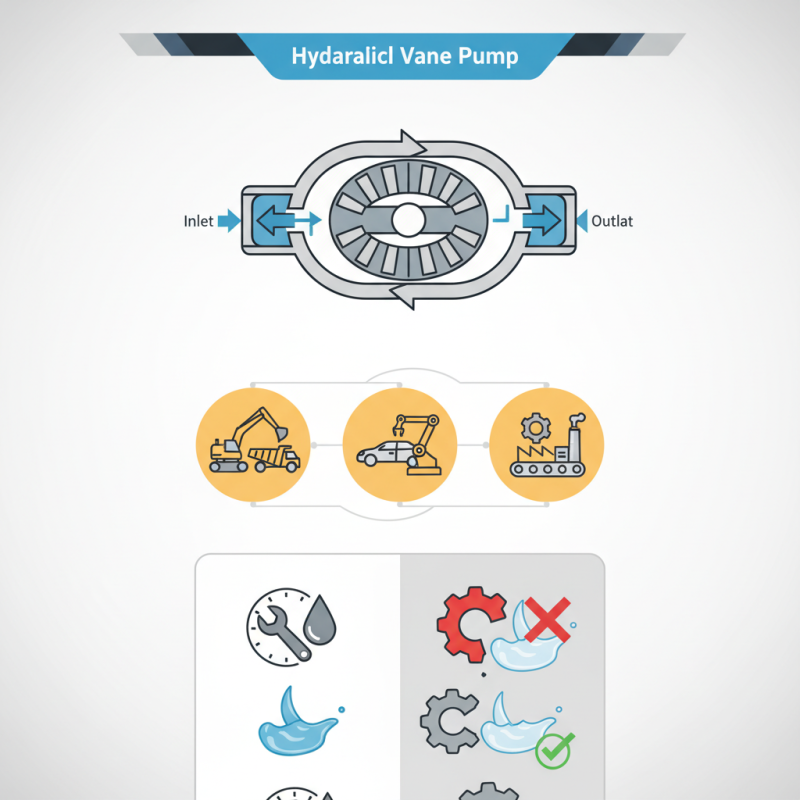
What is a Hydraulic Vane Pump?
Hydraulic vane pumps are important components in hydraulic systems. They convert mechanical energy into hydraulic energy. This process is efficient for various applications, such as mobile equipment and industrial machinery.
According to a report by the International Journal of Fluid Mechanics, hydraulic vane pumps can achieve an efficiency of up to 90%. This high efficiency can lead to significant energy savings in many applications.
The design of a hydraulic vane pump consists of a rotating rotor housed within a stator. Vanes slide in and out of the rotor to create variable volumes. Fluid enters through the inlet port and is trapped between the vanes. As the rotor turns, this trapped fluid is compressed and discharged. The performance of hydraulic vane pumps can be influenced by several factors, such as fluid viscosity and temperature.
A study by the American Society of Mechanical Engineers warns that operating outside the recommended fluid parameters can lead to efficiency losses.
Despite their efficiency, there are considerations to keep in mind. Vane wear can occur over time, leading to reduced performance. Regular maintenance is crucial to extend the lifespan of these pumps.
Hydraulic vane pumps can be sensitive to contamination, which can affect reliability. Awareness of these limitations is essential for successful applications.
Key Components of Hydraulic Vane Pumps
Hydraulic vane pumps are essential in various industrial applications. Their efficiency stems from a few key components. Each part plays a critical role in ensuring optimal performance and reliability.
The rotor is central to the pump's function. It is mounted eccentrically within the stator. This design allows the vanes to move in and out, creating chambers for fluid movement. The vanes are usually made from durable materials to withstand wear. Statistics show that well-maintained pumps have lower failure rates, with a reported 20% increase in efficiency when using higher-quality vanes.
Another crucial component is the end plates. These plates provide sealing and support for the vanes. Poor sealing can lead to leaking fluid, decreasing efficiency. Research indicates that proper sealing can enhance pump lifespan by up to 25%. The bearings also play a vital role, reducing friction and supporting the rotor. Failure to maintain bearing integrity can lead to severe damage and increased maintenance costs.
Understanding these components helps in choosing the right hydraulic vane pump for specific needs. Regular maintenance and inspection are vital for the longevity of the pump. Awareness of the operational limits is essential. Overloading a pump can lead to premature failure. Proper knowledge and care can maximize the efficiency and lifespan of hydraulic vane pumps.
What is a Hydraulic Vane Pump and How Does it Work? - Key Components of Hydraulic Vane Pumps
| Component |
Function |
Materials Used |
Maintenance Tips |
| Vane |
Creates pressure by moving fluid |
Composite materials, Steel |
Regular inspection and replacement as necessary |
| Rotor |
Drives the vanes and fluid movement |
Aluminum, Steel |
Lubrication and cleaning |
| Cam |
Guides the vanes for proper extension and retraction |
Cast Iron, Steel |
Check for wear and alignment |
| Housing |
Encloses and protects internal components |
Aluminum, Steel |
Inspect for leaks and corrosion |
| Seal |
Prevents leakage and contamination |
Rubber, PTFE |
Replace if signs of wear are evident |
Operating Principles of Hydraulic Vane Pumps
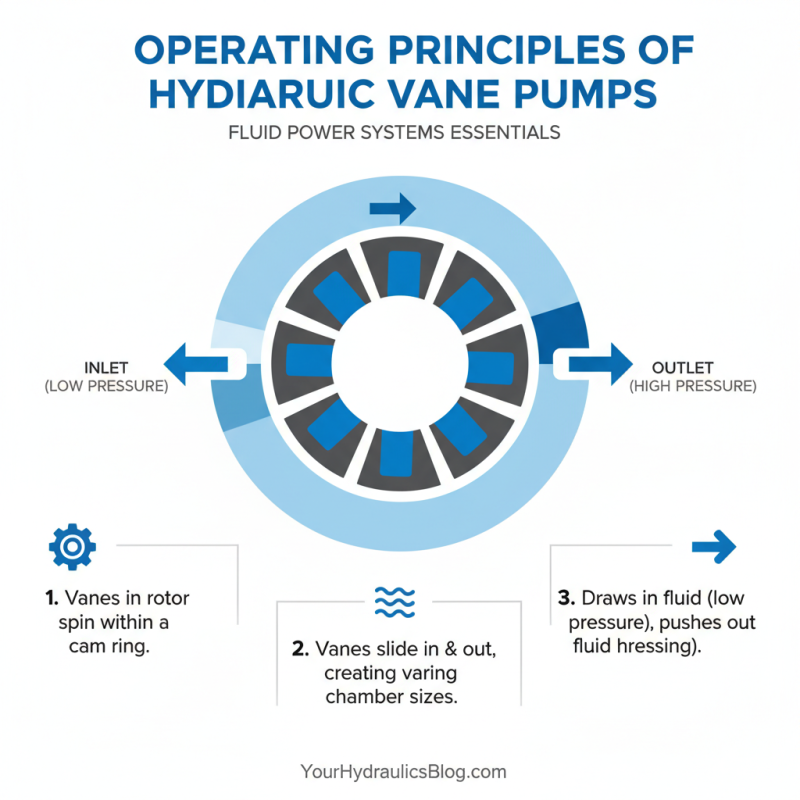
Hydraulic vane pumps are essential in fluid power systems. They operate based on simple yet effective principles. A set of vanes is placed within a rotor. As the rotor spins, these vanes slide in and out, creating chambers of varying size. This action draws in fluid and pushes it out, generating flow.
The efficiency of a hydraulic vane pump depends on proper maintenance. Small particles can wear down the vanes, reducing performance. Regularly check the fluid for contaminants. Maintaining optimal fluid levels is crucial. Low fluid levels can lead to insufficient lubrication, causing premature wear.
Tips: Keep an eye on the noise level. Unusual sounds may indicate wear or misalignment. Listen carefully when the system is operating, and address any changes promptly. Remember, consistency in performance requires vigilance in monitoring.
Temperature is another factor to consider. Hydraulic fluids can degrade if exposed to extreme temperatures. Ensure your system operates within recommended thermal ranges. Overheating can lead to failure and costly repairs.
Applications of Hydraulic Vane Pumps in Industry
Hydraulic vane pumps are widely used in various industrial applications due to their reliable performance and efficiency. These pumps create pressure by using rotating vanes within a chamber. They can generate a smooth flow of hydraulic fluid, making them ideal for many uses. One key application is in mobile machinery, like excavators and loaders. They provide power for lifting and moving heavy loads.
Additionally, hydraulic vane pumps find use in automotive systems. They assist in steering mechanisms, power brakes, and other hydraulic functions. Their compact size allows them to fit into tight spaces, which is advantageous in vehicle design. In manufacturing, these pumps help operate equipment like presses and conveyor systems.
Despite their usefulness, there can be challenges. Vane wear and maintenance requirements need regular attention. Sometimes, unexpected failures can occur, disrupting operations. These factors remind us to evaluate the efficiency and reliability of hydraulic systems constantly. Regular checks can ensure long-lasting performance and help avoid costly downtime in critical applications.
Applications of Hydraulic Vane Pumps in Industry
Advantages and Limitations of Hydraulic Vane Pumps
Hydraulic vane pumps are essential in various industrial applications. They convert mechanical energy into hydraulic energy using rotating vanes. One significant advantage of these pumps is their efficiency in delivering a consistent flow of fluid. Research indicates that hydraulic vane pumps typically achieve an efficiency of around 85-90%.
Despite their advantages, hydraulic vane pumps come with limitations. They may experience performance drops in high-pressure applications, typically above 3000 psi. In addition, their design can result in wear over time due to friction between the vanes and the housing. This wear can lead to increased maintenance costs and reduce reliability. Studies show that 15-20% of maintenance expenditures in hydraulic systems relate to pump failures.
It’s also important to consider their noise levels. Hydraulic vane pumps can produce more noise compared to other types of pumps, which is an issue in noise-sensitive environments. Furthermore, the efficiency can be adversely affected in low-viscosity fluids. These factors highlight the need for careful selection based on specific application requirements.