What Is Fertilizer Urea and How Is It Used?
Fertilizer Urea is one of the world’s most widely used nitrogen fertilizers. It appears as small, white granules that dissolve quickly when moisture reaches the soil. With about 46% nitrogen, urea can support vigorous leaf growth, greener crops, and stronger yields. However, its results depend on timing, soil condition, weather, and application accuracy.
“Urea is an efficient nitrogen source, but its performance depends greatly on proper management,” says Dr. Patrick Heffer, a fertilizer industry specialist associated with the International Fertilizer Association. That practical warning matters. When urea remains on a warm, damp soil surface, some nitrogen may escape as ammonia gas. Rainfall, irrigation, or shallow incorporation can reduce this loss. Farmers often apply it before expected rain, yet heavy rainfall may move nitrogen beyond the root zone.
Small details matter.
A spreader setting, a windy afternoon, or uneven granules can change field performance. Soil testing should guide the application rate, rather than habit alone. Urea is not a complete fertilizer because it supplies nitrogen but little or no phosphorus, potassium, or micronutrients. Crops may therefore need a balanced nutrient plan.
This article explains what Fertilizer Urea is, how plants receive its nitrogen, and why application methods differ across farms. It also considers storage, handling, environmental concerns, and common mistakes. No single recommendation fits every field. Even experienced growers must reassess results after each season. A green crop does not always prove efficient fertilization. Good management requires measurements, observation, and occasional correction.
What Fertilizer Urea Is and How It Is Made
Fertilizer urea is a concentrated nitrogen source containing about 46% nitrogen by weight. Its production begins with ammonia and carbon dioxide. Ammonia is commonly made from nitrogen in the air and hydrogen, often through a high-pressure industrial process. These materials react to form ammonium carbamate, which then loses water and becomes urea. The finished product is dried into small prills or granules. It looks simple, but moisture control matters. Damp urea can cake during storage and spread unevenly.
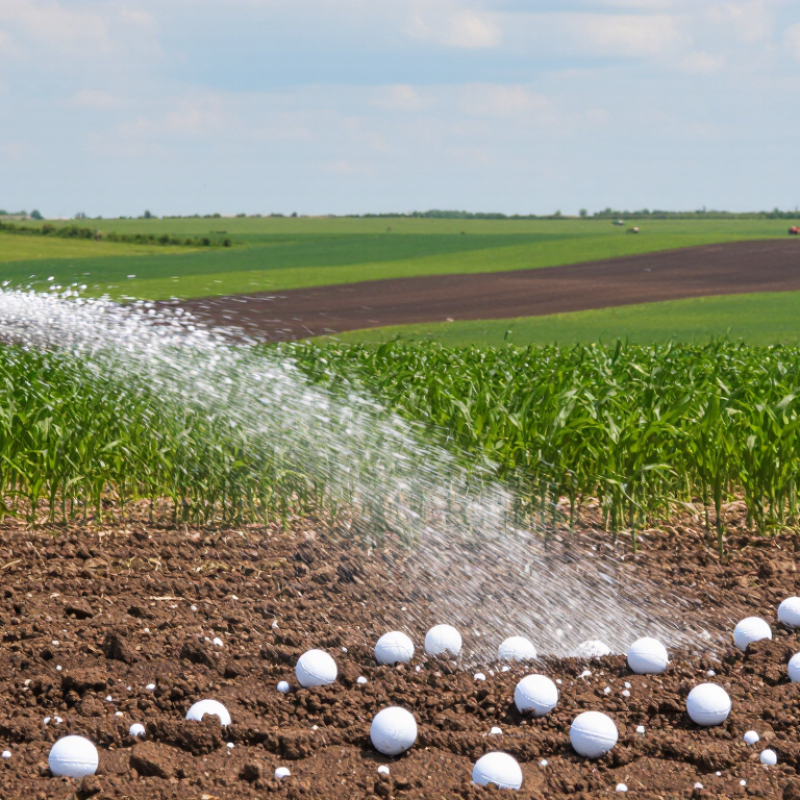
After application, soil enzymes convert urea into ammonium carbonate. This temporary compound can raise soil pH near each granule. Later, soil bacteria convert nitrogen into nitrate, a form many plants absorb through their roots. Farmers use urea before planting, beside growing rows, or through carefully managed irrigation systems. Rain or irrigation should move it into the soil. Otherwise, surface-applied urea may lose nitrogen as ammonia gas, especially in warm, alkaline, or windy conditions. A common mistake is assuming more nitrogen always means better growth. It can instead produce weak stems, excessive leaves, or water pollution.
Tips: Apply urea to moist soil when possible. Avoid spreading it before heavy rainfall. Use a calibrated spreader, and test soil before repeated applications. I would also check weather and crop needs twice; one overlooked detail can change the result.
The Chemical Properties That Make Urea a Nitrogen Fertilizer
What Is Fertilizer Urea and How Is It Used?
The Chemical Properties That Make Urea a Nitrogen Fertilizer
Urea is a dry nitrogen fertilizer containing about 46% nitrogen by mass. Its chemical formula is CO(NH₂)₂. This high concentration makes each granule relatively efficient to transport and apply. It dissolves quickly in moist soil, then soil enzymes convert urea into ammonium carbonate. The process raises local soil pH briefly.
That chemistry is useful, but not perfectly controlled. Ammonium can become nitrate through nitrification, supplying nitrogen for roots. However, warm, wet, or alkaline conditions may increase ammonia loss before incorporation. Surface-applied granules can even lose nitrogen after rainfall fails to move them into the soil. Small details matter.
The International Fertilizer Association’s 2024 medium-term outlook places global fertilizer demand near 200 million tonnes of nutrients in 2024/25. Nitrogen represents the largest nutrient category in global crop production. Urea supports this demand because its 46% nitrogen analysis exceeds many common nitrogen fertilizers. Field experience still challenges simple assumptions: higher concentration does not guarantee higher recovery. Placement, timing, soil texture, temperature, and rainfall all influence results. The FAO fertilizer-use database also shows that nitrogen management must be evaluated by crop and region, rather than by product chemistry alone. Good practice includes soil testing, calibrated spreading, and timely incorporation. Mistakes remain possible.
How Urea Fertilizer Supplies Nitrogen to Plants
What Is Fertilizer Urea and How Is It Used?
Urea fertilizer supplies nitrogen through a short but easily misunderstood process. It contains about 46% nitrogen by weight, making it highly concentrated. After application, soil urease enzymes convert urea into ammonium. Soil bacteria can then change ammonium into nitrate, another form that plant roots readily absorb.
Plants use this nitrogen to build chlorophyll, proteins, and new tissues. A nitrogen-deficient crop may show pale green leaves, especially on older foliage. In practical field management, placement matters. Surface-applied urea can lose nitrogen as ammonia gas, particularly in warm, windy weather or alkaline soil. Light rainfall or irrigation can move it into the soil and reduce this loss.
Timing matters too.
Many growers divide applications during active growth. This approach can match nitrogen supply with crop demand and reduce waste. However, the correct rate depends on soil tests, crop type, expected yield, and previous organic inputs. Too much urea may produce soft, excessive growth and increase nutrient losses. It can also injure seedlings when concentrated near roots.
A common mistake is treating urea as an instant cure for weak plants. It is not. Yellow leaves may also indicate poor drainage, root damage, disease, or another nutrient problem. Checking soil conditions before spreading fertilizer is slower, but usually more reliable. Calibrating the spreader is equally important, because uneven application creates visible strips of dark and pale plants.
Advantages, Limitations, and Safe Handling of Urea
What Is Fertilizer Urea and How Is It Used?
Urea is a dry nitrogen fertilizer containing about 46% nitrogen by weight. It dissolves quickly when moisture is available. Soil enzymes then convert it into ammonium and, later, nitrate. Crops can use these forms for leaves, stems, and grain production. Growers commonly broadcast granules before rainfall or incorporate them into the topsoil. Placement matters.
Its main advantage is concentration. A small bag supplies substantial nitrogen, reducing transport and application volume. It also suits many crops and spreading systems. Yet urea is not automatically efficient. On warm, alkaline, or residue-covered soil, surface granules can lose nitrogen as ammonia gas. Heavy rain may move nitrate below shallow roots. Excess nitrogen can increase lush growth, lodging, or water pollution. Timing remains imperfect in real fields. Weather forecasts sometimes fail.
Handle it with clean, dry hands or suitable gloves, safety glasses, and protective clothing. Avoid breathing dust, and wash skin after contact. Store sealed bags in a cool, dry, well-ventilated building, away from moisture and incompatible chemicals. Keep granules away from drains and surface water. Never place concentrated urea directly against seeds or young roots; ammonia injury may occur. Use a calibrated spreader and follow a soil test or qualified agronomist’s rate. Small mistakes matter.

