What is a Fan Heater and How Does It Work?
In today's world, maintaining a comfortable indoor environment has become essential. The Fan Heater is a popular option for many households and workplaces. According to a report by Grand View Research, the global market for heating appliances, including fan heaters, is expected to reach \$22 billion by 2025. This growth is driven by increasing awareness of energy efficiency and the need for effective heating solutions.
Consumer preferences for fan heaters vary greatly. They are lightweight, portable, and easy to use. Many models feature adjustable settings, allowing users to control temperature efficiently. However, some may overlook the importance of energy consumption. A poorly chosen fan heater can lead to higher electricity bills. It’s crucial to consider the wattage and energy rating before purchasing.
While fan heaters provide immediate warmth, they are not always a perfect solution. Users need to be mindful of safety concerns, such as fire hazards. Furthermore, inadequate ventilation can lead to poor air quality. Therefore, consumers must weigh the convenience of fan heaters against these potential drawbacks, ensuring an informed decision for a comfortable home.
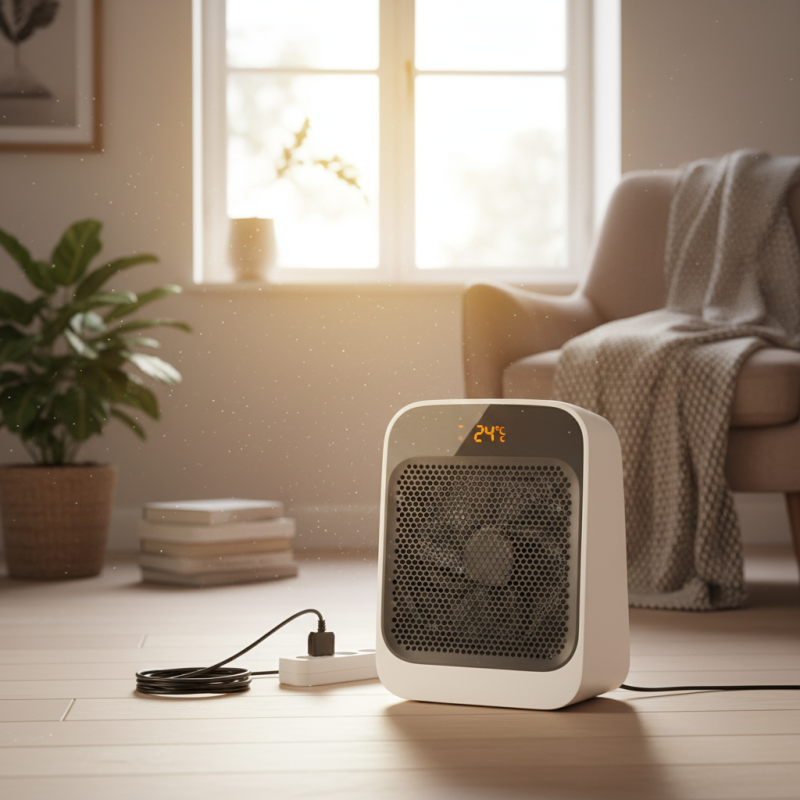
What is a Fan Heater? Definition and Basic Features
A fan heater is a compact and portable heating device designed to warm up small spaces quickly. By utilizing a fan to circulate warm air, these heaters can provide instant comfort in chilly environments. The basic principle involves drawing in cool air, heating it via an internal element, and then distributing the heated air back into the room. According to industry reports, fan heaters can raise the temperature of a room by several degrees in just minutes.
In terms of features, fan heaters typically come with adjustable settings for temperature and fan speed. Many models incorporate safety mechanisms such as overheat protection. Data suggests that these devices can be effective for supplemental heating, particularly in small areas. However, they consume more electricity compared to radiant heaters, which could be a drawback for budget-conscious consumers.
In practice, while fan heaters are convenient, they may not provide uniform heating. Some areas could remain cool while others feel too hot. It's essential for users to consider room size and insulation before relying solely on this heating solution. As with any heating device, proper usage and maintenance are critical to optimize performance and extend lifespan.
What is a Fan Heater and How Does It Work? - Fan Heater Features
| Feature | Description |
| Heating Element | Typically made of metal, this component heats up when electricity flows through it. |
| Fan | A fan circulates the warm air produced by the heating element throughout the room. |
| Controls | These can include switches or digital interfaces to adjust the temperature and fan settings. |
| Thermostat | Some models feature an internal thermostat that helps maintain a set room temperature. |
| Portability | Many fan heaters are lightweight and come with handles for easy transportation. |
| Safety Features | Includes features like overheat protection and tip-over switches for safer operation. |
| Energy Efficiency | Many models are designed to provide effective heating without excessive energy consumption. |
Types of Fan Heaters: Ceramic, Coil, and Infrared Models
When choosing a fan heater, understanding the types available can help you make the best choice. Ceramic fan heaters are popular for their efficiency and safety. They use ceramic plates to heat up quickly. This design also provides even heat distribution. They are ideal for small to medium-sized rooms.
Coil fan heaters, on the other hand, are budget-friendly. They use metal coils to generate warmth. While they heat up fast, they can be less effective in larger spaces. These models can produce a dry heat. This might not be ideal for everyone, especially if you have allergies.
Infrared fan heaters offer a unique way to warm up a space. They emit infrared light, which directly heats objects in the room. This method can be more efficient in some cases, especially in open spaces.
**Tips:** Always keep an eye on the heater's wattage. A higher wattage means more heat. Also, consider the noise level. Some models may be noisier than others. Lastly, think about safety features. Automatic shut-off can prevent accidents, especially in homes with pets or children.
Types of Fan Heaters and Their Efficiency
How Fan Heaters Generate Heat: The Mechanisms Explained
Fan heaters are simple yet effective devices for generating warmth in small spaces. They operate by using an electric fan to draw in cool air. The air passes over heating elements, which raise its temperature. Once warmed, the fan forces the heated air back into the room. This process happens quickly, providing instant comfort, making them popular for personal use.
To enhance heating efficiency, consider positioning your fan heater closer to colder areas. This allows it to distribute warm air evenly. Avoid placing it near walls or behind furniture; this restricts airflow. Additionally, using a fan heater for short periods is ideal. Running it continuously can lead to increased energy bills.
Bear in mind that fan heaters can dry the air in a room. It’s wise to maintain humidity levels, especially in winter. A simple tray of water nearby can help. However, be cautious about placement. Ensure the heater is on a stable surface to prevent accidents. Embracing these small adjustments can lead to a more comfortable environment.
Efficiency Ratings of Fan Heaters: Understanding BTUs and Watts
Understanding the efficiency ratings of fan heaters is crucial for making informed decisions. BTUs (British Thermal Units) and watts are two key metrics. BTUs measure the heater's energy output, while watts indicate its energy consumption. Higher BTU ratings typically mean a greater heating capacity. However, it doesn’t always mean better efficiency. A heater can have high BTUs but low energy efficiency.
When choosing a fan heater, it’s essential to consider the heating space size. For larger rooms, more BTUs are necessary. But if the heater uses excessive watts, it can lead to high electricity bills. An ideal fan heater balances BTUs and watts, ensuring effective heating without wasting energy.
While these ratings provide valuable insights, they aren't the only considerations. The room's insulation and layout also play significant roles in heating efficiency. It’s wise to evaluate your unique space. Sometimes, users ignore these factors and focus solely on numbers. This approach can lead to dissatisfaction with heating performance. Opting for a heater solely based on ratings may require reflection on real-world applications.
Safety Features and Considerations in Fan Heater Design
Fan heaters are popular for their efficiency in quickly warming up small spaces. When designing these devices, safety features are crucial. Recent data from safety organizations indicate that user injuries associated with heaters are primarily due to overheating and tip-over incidents.
Safety design often includes overheat protection. This feature turns off the heater if it reaches a critical temperature. Moreover, many fan heaters have tip-over switches. These switches automatically disable the heater if it falls over. Such mechanisms significantly reduce the risk of fire and injury.
Noise levels also warrant consideration. While some models can be loud, quieter designs are becoming the norm. Reports suggest that noise can affect comfort levels in living spaces. Thus, manufacturers are challenged to balance heating efficiency and user comfort. Despite advancements, some existing designs still lack adequate insulation or cooling features to prevent overheating. This highlights an ongoing need for improved engineering in fan heater development.

