What is a Cylinder Ram and How Does it Work?
The Cylinder Ram is a critical component in many industrial applications. Often seen in hydraulic systems, it plays a vital role in providing the necessary force to lift or move heavy objects. According to a report from MarketsandMarkets, the global hydraulic cylinder market is expected to grow significantly, projected to reach $17.3 billion by 2026. This underscores the importance of understanding how a Cylinder Ram operates.
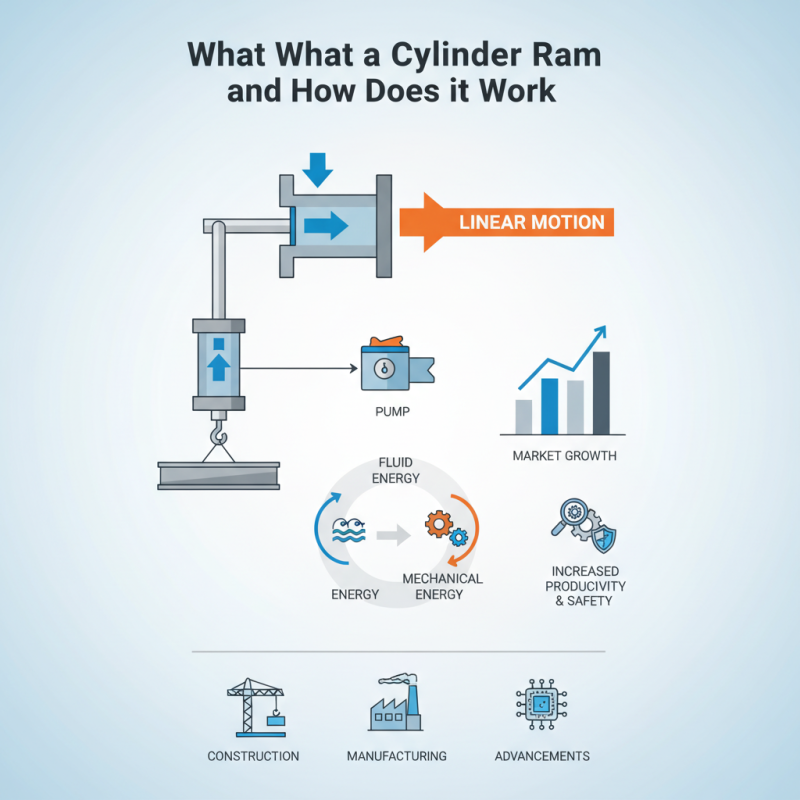
In essence, a Cylinder Ram uses hydraulic pressure to generate motion. It transforms fluid energy into mechanical energy, creating linear motion. However, many users overlook potential issues, such as wear and maintenance challenges. Regular inspections can mitigate risks, ensuring optimal performance.
The design and efficiency of a Cylinder Ram depend on precise engineering and materials. Various industrial sectors highly value this, particularly construction and manufacturing. A well-designed Cylinder Ram can lead to increased productivity and safety. As technology advances, new innovations will continue to shape its functionality. Understanding these elements is crucial for professionals in the field.
Definition of a Cylinder Ram and Its Purpose
A cylinder ram is a critical component in hydraulic systems. It is designed to convert fluid pressure into linear force. Typically, these devices are used in various applications, including construction machinery, automotive systems, and industrial equipment. Their primary purpose is to lift, push, or pull heavy loads efficiently.
The cylinder ram consists of a cylindrical chamber filled with hydraulic fluid. A piston inside moves up and down, driven by the pressure of the fluid. When the fluid enters the chamber, it pushes the piston, creating force. This force can be adjusted by changing the fluid pressure. As the piston moves, it can exert tremendous power without requiring large motors or complex mechanisms.
Understanding how a cylinder ram works requires some technical knowledge. It's not just about hydraulic fluid; the seals, the material, and the design play vital roles in performance. Users must ensure proper maintenance to prevent leaks or failures. Despite its effectiveness, reliance on hydraulic systems can sometimes lead to unexpected issues. Observing performance over time is necessary to address any inefficiencies.
Components of a Cylinder Ram and Their Functions
A cylinder ram consists of several essential components working in harmony. The main part is the cylinder itself, which houses hydraulic fluid. This fluid creates pressure that pushes the ram forward, enabling powerful movements. The cylinder's internal structure varies, but the design aims for efficiency and strength.
Seals and gaskets play critical roles in ensuring no fluid leaks occur. These components maintain pressure and protect the system from contamination. A well-maintained seal results in better performance and extends the ram's lifespan. Valves also control the fluid flow, allowing precise movement in various applications.
The ram's piston is another crucial component. It translates hydraulic pressure into mechanical force. This force moves heavy loads or performs tasks that would be impossible manually. The interplay between these components can sometimes lead to issues. A worn-out piston may reduce efficiency, highlighting the need for regular inspections. Each component's health impacts overall functionality significantly. Understanding these parts leads to better maintenance and improved operations in hydraulic systems.
How a Cylinder Ram Operates Mechanically
A cylinder ram is a powerful mechanical device. It uses hydraulic pressure to create linear motion. This makes it valuable in various applications, including construction and manufacturing. The cylinder is a closed, cylindrical vessel filled with hydraulic fluid. When pressure is applied, the fluid forces a piston to move. This movement generates significant force to lift or push heavy objects.
Mechanically, the operation of a cylinder ram involves key components: a cylinder, piston, and hydraulic pump. The pump sends fluid into the cylinder. This action forces the piston to extend or retract. The design is relatively simple but effective. One must ensure proper sealing within the cylinder to prevent leaks. Hydraulic systems require regular maintenance checks to stay efficient.
The effectiveness of the ram also depends on the quality of fluid used. Choosing the right hydraulic fluid is essential for optimal performance. Common issues may arise from contamination or improper maintenance. Not all applications will benefit equally from a cylinder ram. Understanding the specific needs of your project will yield better results. There's always room for improvement. Always evaluate your system's performance for potential upgrades.
Applications of Cylinder Rams in Various Industries
Cylinder rams play a vital role across several industries. In construction, these devices lift heavy materials and equipment with ease. They provide powerful force, allowing cranes to move larger loads. According to a 2022 report by the International Society of Automation, the efficiency of lifting operations has improved by 30% with the use of hydraulic rams.
In the automotive sector, cylinder rams help in assembling vehicles. They are essential for compacting metal parts during manufacturing. A report by the Society of Automotive Engineers revealed that incorporating hydraulic technology reduced assembly errors by 15%. This advancement highlights the importance of precision in production.
However, there are challenges in using cylinder rams. Maintenance of these systems can be demanding. Regular inspections are necessary to prevent failure. Additionally, over-reliance on hydraulic power can lead to inefficiencies if not managed properly. As industries grow, balancing the use of such equipment with sustainable practices is a continuous concern. Addressing these issues is crucial for maximizing their benefits while minimizing drawbacks.
Advantages and Limitations of Using Cylinder Rams
Cylinder rams, commonly used in construction and industrial applications, have distinct advantages and limitations. Their compact design allows for powerful force application in tight spaces. According to a 2022 report from the American Society of Mechanical Engineers, these devices can generate forces exceeding 50 tons. This makes them suitable for heavy lifting tasks.
However, cylinder rams are not without drawbacks. Their reliance on hydraulic systems can lead to leaks, causing loss of efficiency and safety concerns. The required oil changes and maintenance can also increase operational costs. Some studies indicate that nearly 15% of hydraulic systems face potential failures due to inadequate maintenance. Operators must remain vigilant and conduct regular checks to minimize risks.
Moreover, the effectiveness of cylinder rams may diminish in extreme temperatures. High heat can compromise hydraulic fluid, while freezing conditions can hinder movement. Research shows that equipment failure rates increase by up to 20% in these extremes. Users must carefully assess environmental conditions to ensure reliable performance. Balancing the use of cylinder rams with their limitations is essential for achieving operational success.
Performance Comparison of Cylinder Rams

