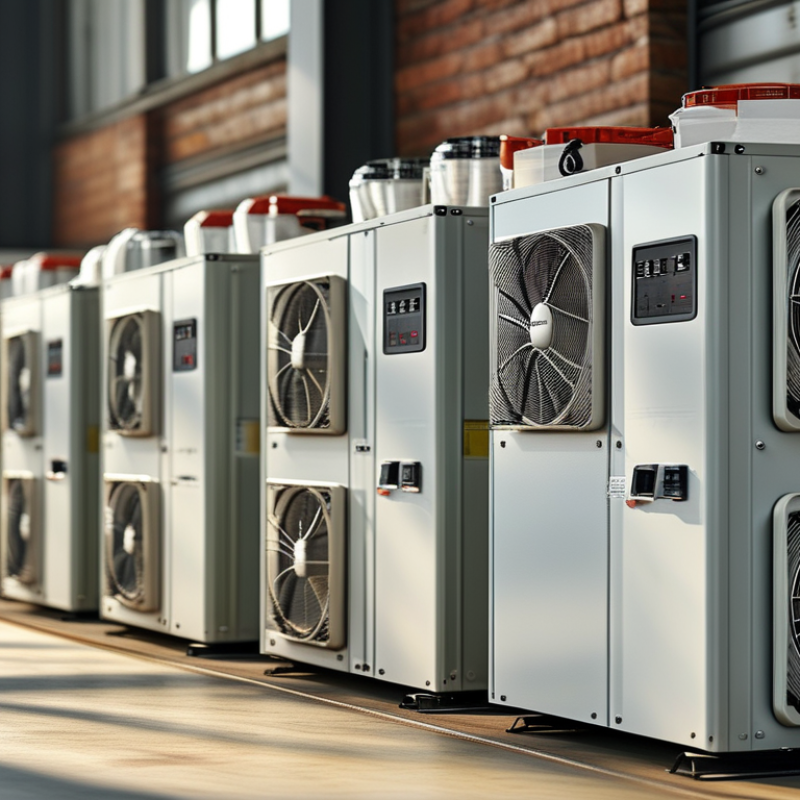
What to Look For in a Commercial Condensing Unit?
When selecting a Commercial Condensing Unit, several factors must be considered. These units are crucial for effective HVAC systems in many businesses. Understanding their features is essential for a successful investment.
Efficiency is a key factor. A well-chosen Commercial Condensing Unit can lead to significant energy savings. Pay attention to its SEER rating. Units with higher ratings consume less energy. This can greatly reduce operational costs over time.
Size matters too. An oversized or undersized unit can lead to inefficiencies. Proper sizing ensures optimal performance and comfort. Installation quality also plays a role in unit performance. Consulting with a professional can help avoid common pitfalls. Ultimately, making an informed decision is vital for long-term satisfaction.
Key Performance Indicators for Commercial Condensing Units
When selecting a commercial condensing unit, understanding the key performance indicators (KPIs) is crucial. Energy efficiency is often at the top of the list. This reflects how effectively the unit converts energy into cooling power. A higher energy efficiency ratio (EER) typically indicates better performance and can lead to significant cost savings. Additionally, consider the seasonal energy efficiency ratio (SEER), as it evaluates performance over an entire cooling season.
Another important KPI is cooling capacity. It’s vital to ensure the unit can handle peak loads in your specific environment. An oversized unit can lead to frequent cycling, reducing efficiency and lifespan. Conversely, an undersized unit may struggle to maintain desired temperatures.
Noise level is also a key factor. A quiet operation is often necessary in commercial settings. Units with lower decibel ratings create a more pleasant environment for both customers and employees. Maintenance requirements should not be overlooked either. Regular upkeep affects long-term reliability and performance. Addressing potential weaknesses in design or efficiency is essential for optimal operation. Consider these indicators carefully to make an informed choice.
Types of Refrigerants Used in Commercial Condensing Systems
When selecting a commercial condensing unit, understanding the refrigerants used is crucial. Refrigerants play a significant role in system efficiency and environmental impact. Common types include R-410A and R-134A. R-410A is widely used due to its efficiency and lower global warming potential. In contrast, R-134A is often found in older systems. Each refrigerant has its own properties, which can affect cooling performance.
The choice of refrigerant can depend on various factors. Compliance with environmental regulations is essential. Many businesses still operate on outdated systems that use higher global warming potential refrigerants. This not only impacts efficiency but also increases operational costs. Choosing a refrigerant may require consultation with professionals familiar with the latest regulations and technologies.
Always consider the phase-out timeline for specific refrigerants. Some options may soon become obsolete. While lower-efficiency units might save money upfront, they can lead to higher long-term costs. It’s worth reflecting on the long-term sustainability of refrigerants. An informed choice can enhance system reliability, efficiency, and reduce maintenance needs.
Refrigerant Types Used in Commercial Condensing Units
Efficiency Ratings: SEER and EER in Commercial Condensing Units
When selecting a commercial condensing unit, understanding efficiency ratings is crucial. Two key metrics to focus on are SEER (Seasonal Energy Efficiency Ratio) and EER (Energy Efficiency Ratio). SEER measures cooling performance over an entire cooling season. In contrast, EER provides a snapshot of efficiency under specific conditions. Both ratings help assess the energy consumption and operational costs of a unit.
Higher SEER and EER values indicate better efficiency. A unit with a SEER rating of 15 will likely use less energy than one rated at 10. This difference can lead to substantial savings over time. However, factors like installation quality and building design can impact actual efficiency. It's essential to consider these elements when evaluating a unit's potential.
Efficiency ratings should not be the only factor in your decision. Maintenance needs and reliability play significant roles, too. A highly efficient unit might require more frequent repairs, leading to unexpected costs. Taking the time to balance efficiency with these other factors will result in a more informed choice. Make your selection based on comprehensive research and professional insights.
What to Look For in a Commercial Condensing Unit? - Efficiency Ratings: SEER and EER in Commercial Condensing Units
| Metric | Value | Description |
| SEER Rating | 16 | Seasonal Energy Efficiency Ratio, indicates cooling efficiency over a typical cooling season |
| EER Rating | 12 | Energy Efficiency Ratio, measures efficiency at a specific operating point (temperature) |
| Cooling Capacity (BTU/hr) | 36000 | Cooling output capacity of the unit, measured in British Thermal Units per hour |
| Refrigerant Type | R410A | Type of refrigerant used, important for efficiency and environmental impact |
| Noise Level (dBA) | 60 | Operational noise level, important for installations in noise-sensitive areas |
Understanding Noise Levels and Their Impact on Commercial Use
When choosing a commercial condensing unit, noise levels are crucial. High noise can disrupt daily operations and impact employee satisfaction. According to a study by the Environmental Protection Agency, prolonged exposure to noise levels above 85 decibels can lead to hearing damage. Many commercial units operate between 60 to 75 decibels, falling within a tolerable range for most environments.
Understanding the noise output of equipment helps prevent issues. For example, installations near quiet areas like offices should prioritize quieter units. The American Society of Heating, Refrigerating and Air-Conditioning Engineers indicates that noise reduction technologies can lower sound levels effectively.
It is essential to consider how noise influences customer experience. Clients may feel uncomfortable in a noisy environment. One solution is to conduct a sound audit during peak hours to assess impact. Choose condensing units with sound-dampening features. This small step can significantly enhance overall satisfaction within commercial spaces.
Regular Maintenance Requirements and Best Practices for Longevity
Regular maintenance of a commercial condensing unit is crucial for optimal performance. A well-maintained unit not only ensures efficiency but also extends its lifespan. Routine inspections should focus on cleaning coils, checking refrigerant levels, and ensuring proper airflow. Neglecting these tasks can lead to increased energy costs and unexpected breakdowns.
One important practice is to schedule seasonal check-ups. These inspections can identify minor issues before they escalate, saving time and resources. Regular cleaning of the outdoor unit can prevent debris accumulation, which affects efficiency. Keep an eye on any unusual noises or vibrations. These can indicate underlying problems that require immediate attention.
Investing in proper training for staff is essential. Ensuring that everyone understands basic operational protocols can prevent misuse. It’s worthwhile to document all maintenance activities. This creates a reliable reference for future evaluations. A proactive maintenance approach not only promotes longevity but also enhances overall system reliability.