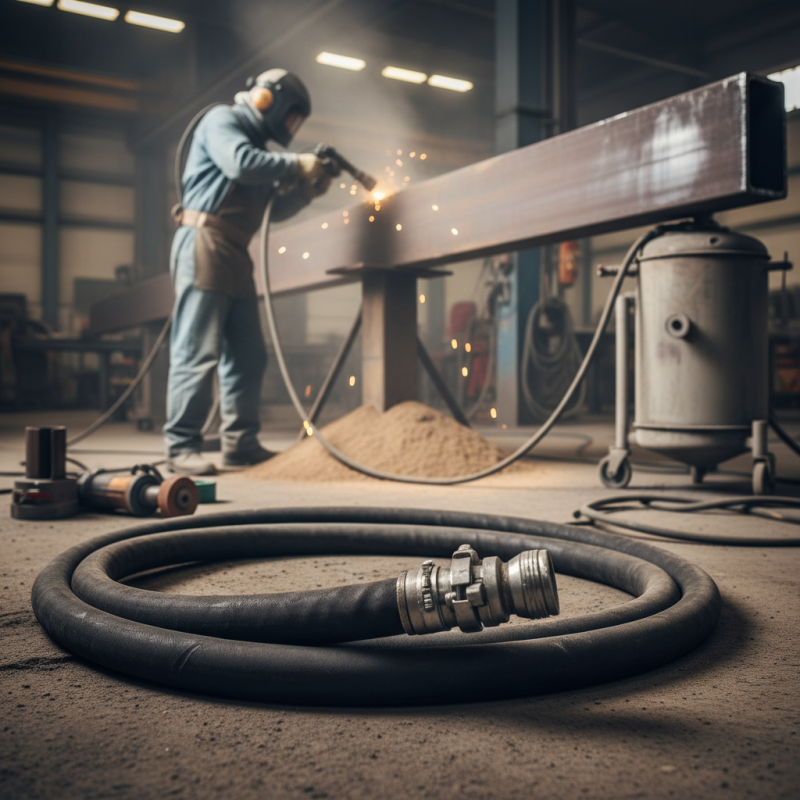
How to Choose the Right Sandblast Rubber Hose for Your Needs?
Choosing the right Sandblast rubber hose is crucial for effective performance. Hoses are vital in various applications, from construction to metal fabrication. They transport abrasives with precision and safety.
A quality sandblast rubber hose can enhance efficiency. Durability matters; it should withstand harsh environments. Consider the size and length that suit your tasks. A longer hose offers flexibility but may reduce pressure. High-quality materials can resist wear and tear.
Reflect on your specific needs before purchasing. Inadequate hoses may lead to costly downtime. Visualize your workspace and how the hose will fit in. An informed choice will boost your productivity and ensure safety.
Understanding Sandblast Rubber Hose: Key Features and Specifications
When selecting a sandblast rubber hose, understanding key features is crucial. The hose's diameter affects airflow and pressure. Common sizes range from 1 inch to 2 inches. A larger diameter can improve material flow, but may be less flexible. Consider your specific tasks and choose accordingly.
The hose's length also matters. Longer hoses offer flexibility in movement but can lead to pressure loss. This makes the right length essential for efficient operation. Look for hoses with an abrasion-resistant outer layer. This feature prolongs the hose’s life in rough environments. Check for temperature resistance as well. Hoses exposed to extreme temperatures may degrade faster.
Ensure the hose is compatible with your equipment. Using mismatched hoses may cause safety hazards. Analyze the working environment, as dust and debris can impact hose performance. It’s important to test a few options. This helps identify the best choice for your specific needs. Users often overlook these details, leading to inefficient sandblasting.
Assessing Your Application: Different Uses for Sandblast Rubber Hoses
When selecting a sandblast rubber hose, assess the specific needs of your application. Different uses demand varying hose specifications. For example, are you blasting wood, metal, or concrete? Each material requires a hose that can handle distinct pressure levels and abrasive materials. Consider the hose's diameter too. A larger diameter may deliver more airflow but could be cumbersome in tight spaces.
It’s also critical to think about the work environment. Inside a shop? Outdoor? Dusty or wet conditions can impact hose performance. Look for hoses with reinforced layers that can withstand external elements. Some hoses may seem suitable but can wear out quickly. Regular inspections can reveal deterioration. Are you prepared for that maintenance?
Moreover, flexible hoses are essential for maneuverability. But too much flexibility can lead to kinking. Finding the balance is key. Remember, the right hose can improve efficiency, yet using the wrong one can hinder your work. Do thorough tests when possible before committing. This choice requires time and thought. Don’t skip the reflective process.
Evaluating Material Quality: Durability and Resistance Factors
Choosing the right sandblast rubber hose is crucial. Evaluating material quality is essential for durability and resistance. Sandblast hoses must resist various factors like abrasion, temperature, and pressure. According to industry reports, hoses need to endure abrasive materials, such as sand or glass beads. A good hose should have a minimum abrasion resistance rating of 100 mm³.
Material composition is vital. Many hoses use natural rubber or synthetic materials. These materials differ significantly in durability. For instance, synthetic rubber often outperforms natural rubber in extreme conditions. However, natural rubber may offer better flexibility. Choosing between these options can be challenging.
Resistance factors also matter. Some hoses resist chemicals or UV rays better than others. A study indicated that hoses resistant to ozone can last 30% longer than those that aren’t. It’s essential to consider the specific blasting materials and environmental conditions. Not all hoses fit every application. Understanding these details can save time and money in the long run. A little extra research can go a long way.
Material Quality Evaluation for Sandblast Rubber Hoses
Sizing Considerations: Choosing the Right Diameter and Length
Choosing the right diameter and length for sandblast rubber hoses is crucial for effective operation. The diameter influences the airflow and abrasive material flow. A hose that is too narrow may restrict airflow, affecting performance. Conversely, if the hose diameter is too wide, it might lead to excessive material flow, wasting resources. Finding the right balance is key.
Length also plays a significant role. A longer hose offers flexibility, allowing movement around the workspace. However, excess length can lead to pressure loss, decreasing efficiency. Consider your workspace layout before deciding. Measure the distance and add some extra length for maneuverability, but not too much. A hose that’s too long can feel cumbersome.
Sometimes, we overlook these details in the excitement of a project. The right hose can greatly enhance the blasting process, but if chosen poorly, it may lead to frustration. Reflect on your needs and make careful measurements. A well-sized hose contributes to a smoother workflow, minimizing interruptions and maximizing productivity.
Maintenance Tips: Extending the Lifespan of Your Sandblast Hose
Maintaining your sandblast hose is crucial for longevity. Regular inspections are key. Look for any visible cracks or abrasions. Check for wear at the ends where fittings connect. These areas can often show signs of stress. If you notice damage, it’s best to replace the hose promptly. Riding the line between repair and replacement is a common struggle.
Cleaning the hose after each use helps prevent buildup. Use a gentle detergent and avoid harsh chemicals. This ensures the interior stays clear of debris. Rinse thoroughly to avoid residue. Leftover materials can cause blockages or even hose failure. Store the hose flat or coiled loosely. Avoid tight bends to prevent kinks that lead to tears.
Consider the environment where you work. Extreme temperatures can affect hose performance. Sunlight can degrade materials slowly but surely. Constantly evaluate your workspace. If conditions are tough, be proactive. Be mindful of how long you’re using the hose. Overuse can lead to premature wear. Small adjustments can yield significant benefits.