Choosing the right Wraping Machine in 2026 starts with the product, not the sales brochure. A soft pouch, a glass jar, and a carton place different demands on film handling, sealing, and changeover. Even products that look similar can behave differently on a moving line. Film may wrinkle. A seal may cool unevenly. Small details matter.
Packaging author and consultant Walter Soroka offers a useful perspective on packaging decisions, though any specific quotation should be checked against its original source before publication. For this guide, the practical rule is simple: “Choose for the product, the production line, and the people who run it.” That means testing your actual product and packaging materials, not relying only on a demonstration with a supplier’s sample. Watch the machine run. Listen for inconsistent sealing. Time a changeover with the operators who will perform it.
A good choice balances output, reliability, footprint, and service support. It should also fit the line you have, not only the line you hope to build. Ask how quickly worn parts can be replaced, what training is included, and which performance figures are guaranteed in writing. A high-speed specification can look impressive. It may mean little if frequent adjustments slow the real shift.
This guide compares machine types, key features, costs, and supplier questions for 2026. Some recommendations will depend on your product and operating conditions. That is worth admitting. No single machine is best for every plant. The right one is the machine that performs consistently with your materials, staff, and production goals.
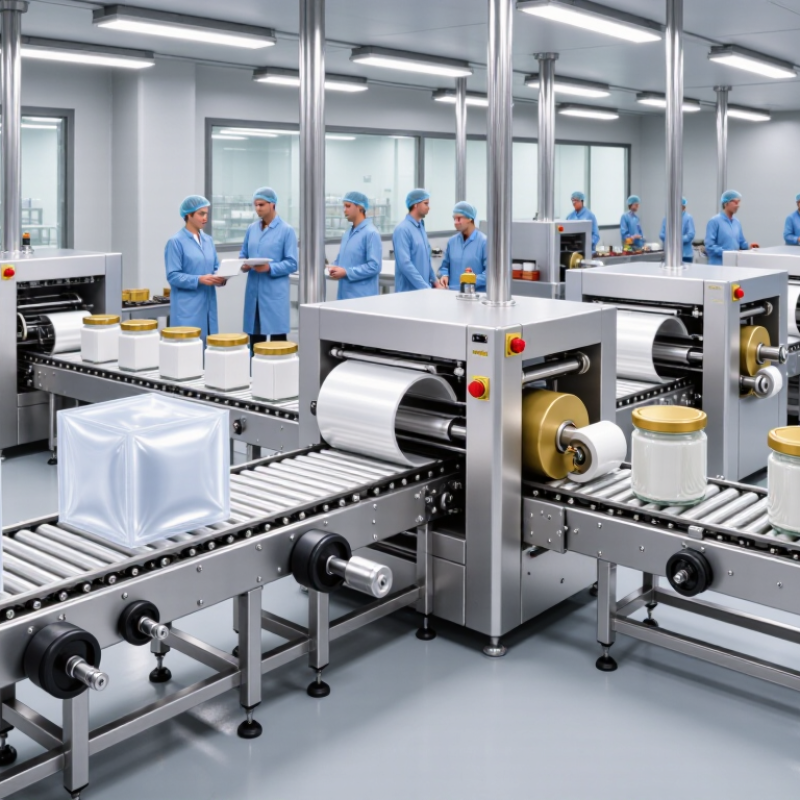
Wrapping machines suit different products and handling needs. Stretch wrappers secure palletized cartons with film, helping stabilize loads for storage or shipment. Turntable models rotate the pallet, while rotary-arm machines keep heavier or less stable loads still. Shrink wrappers use heat to form film around products, often for grouped retail packs. Flow wrappers create sealed packs around individual items moving along a production line. The right type depends on package shape, load stability, required output, and available floor space.
Consider the full work process, not just the machine’s advertised speed. Check the range of product sizes, film compatibility, changeover time, and how operators will load and inspect packages. A highly automated system may suit steady, high-volume production, while a semi-automatic unit can offer more flexibility for changing loads. Also review guarding, maintenance access, and utility requirements with a qualified equipment specialist. A machine that fits the brochure may still feel awkward on a crowded line.
Tips: Test real loads before choosing. Measure your tallest and heaviest packages, then run samples using the intended film. Watch for loose corners, crushed cartons, and uneven seals. Small details matter. Leave room for servicing, too; this is easy to overlook when floor space is tight.
Before comparing wrapping machines, document the product itself. Record its dimensions, weight, shape, surface, and how consistently items arrive. A rigid carton and a soft, uneven bundle behave differently under film tension. Measure real products, not just drawings. Include the largest and smallest items, too.
Next, define the package: film type and thickness, wrap pattern, seal requirements, and acceptable finish. Then calculate production needs using actual good units per hour, shifts, changeovers, and planned maintenance. A supplier’s rated speed may assume ideal conditions. Deloitte and MAPI’s 2024 Smart Manufacturing Survey found that 86% of manufacturing executives expect smart manufacturing to be a primary competitiveness driver within five years. That supports checking whether a machine can share useful operating data with your line, not merely run fast. But don’t overbuy connectivity before identifying what your operators will use.
A neat spreadsheet can still mislead. Test a sample run with your real product and packaging materials. Watch for slipping film, crushed corners, difficult roll changes, and slow SKU adjustments. Include awkward products. They often reveal the gap between a brochure rate and a workable rate. I would not treat one test as a perfect forecast; repeat it across shifts and operators before specifying capacity.
| Decision Area | Requirement to Define | Why It Matters | Practical Selection Guidance |
|---|---|---|---|
| Product Requirements | |||
| Product dimensions | Measure the minimum and maximum length, width, height, and weight of products to be wrapped. | Product size and weight determine the machine’s usable capacity, conveyor configuration, and handling method. | Use actual production measurements, including product variation. Confirm the machine can handle the full range without compromising package quality. |
| Product shape and stability | Identify whether products are regular, irregular, fragile, compressible, or unstable when stacked. | Product geometry affects feeding, product spacing, film application, and the risk of damage or jams. | For fragile or irregular products, evaluate gentle handling, guides, support surfaces, and the need for manual or semi-automatic loading. |
| Surface and cleanliness | Note sharp edges, protrusions, dust, moisture, or surfaces that must remain protected. | These characteristics can affect film puncture, sealing, package appearance, and the suitability of machine contact parts. | Test representative products with the intended film. Specify any cleaning, guarding, or product-contact requirements before purchase. |
| Product grouping | Define whether items are wrapped individually, bundled, stacked, or secured to a load. | Different grouping tasks may require different wrapping patterns, conveyors, or load-handling equipment. | Describe the finished unit clearly, including item count, stack arrangement, and whether the load must remain accessible or fully enclosed. |
| Packaging Requirements | |||
| Wrapping method | Choose the intended package style, such as stretch wrapping, shrink wrapping, flow wrapping, or banding. | Each method uses different materials and processes and is suited to different product and package needs. | Match the method to the required protection, appearance, load containment, and distribution conditions rather than selecting by machine speed alone. |
| Packaging material | Specify the material type, film width or thickness where applicable, and any approved alternatives. | Material properties affect machine compatibility, sealing or stretching performance, and package consistency. | Confirm compatibility with the machine supplier and test the material on representative products before finalizing the specification. |
| Package protection | Define protection needs for dust, moisture, handling, storage, and transport. | The required level of protection influences the wrapping pattern, film use, and whether additional packaging components are needed. | Set measurable acceptance criteria, such as package integrity after handling or required coverage, and validate them with product trials. |
| Package appearance and labeling | Record requirements for film overlap, finished dimensions, print visibility, labels, and barcode access. | Appearance and label placement can affect customer acceptance and downstream scanning or identification. | Provide sample packages or drawings showing acceptable coverage and label locations. Check that the wrapping process does not obscure required information. |
| Production and Facility Requirements | |||
| Required throughput | Calculate the target number of finished packages per hour, including normal product and format changes. | Rated machine speed may differ from sustained output because loading, changeovers, and material replacement also take time. | Compare expected output under your real operating conditions. Include peak demand and allow for planned downtime and upstream or downstream limits. |
| Automation level | Choose between manual, semi-automatic, and automatic operation based on labor availability and process needs. | Automation affects operator involvement, line integration, floor-space needs, and the complexity of operation. | Map the current workflow and identify which steps should be automated. Confirm operator tasks, guarding, and material loading requirements. |
| Product and format changeovers | Estimate the number of product sizes and packaging formats, and how often they change. | Frequent changes can reduce productive time if adjustments are difficult or require extended setup. | Ask for changeover procedures and expected adjustment steps. Test a changeover between representative formats during evaluation. |
| Line integration | Identify upstream and downstream equipment, conveyor heights, product orientation, and control-system interfaces. | A wrapping machine must operate within the wider production line to avoid bottlenecks and transfer problems. | Share layout drawings and interface requirements. Confirm communication, accumulation, guarding, and product-transfer arrangements with relevant equipment suppliers. |
| Available space and utilities | Measure the installation area and check access, power supply, compressed air, and environmental conditions. | Facility constraints can affect machine placement, installation, safe access, and operating reliability. | Verify the machine footprint, service clearances, electrical requirements, and any utility connections against the facility before ordering. |
| Maintenance and operator support | Define available maintenance skills, spare-parts expectations, training needs, and service response requirements. | Routine maintenance and prompt troubleshooting help limit unplanned downtime. | Review access to wear parts, maintenance instructions, training, and service arrangements. Include these needs in the purchase specification. |
| Safety and compliance | Identify applicable workplace safety rules, guarding needs, emergency stops, and site-specific requirements. | Risk controls must suit the machine, the installation, and the way operators work around the equipment. | Arrange a risk assessment and verify applicable local requirements with qualified safety and compliance personnel before installation and operation. |
Choosing a wrapping machine in 2026 starts with real production data, not the speed printed on a specification sheet. Compare the rated output with your actual cartons, loads, and shift patterns. Ask to test the smallest and largest packages you handle. Watch for film breaks, uneven tension, and time lost during changeovers. A fast cycle means little if operators keep stopping the line.
Automation should match your workflow and staffing, not just promise less manual work. A semi-automatic machine may suit varied, low-volume orders, while steady production may benefit from automatic feeding and controls. Check how easily operators can adjust settings and clear routine faults. Small details matter. I would not treat a polished demonstration as proof; request a trial with your own products.
Safety and compatibility deserve equal attention. Look for accessible emergency stops, clear guarding, and safe procedures for loading film and clearing jams. Confirm package dimensions, film types, conveyor height, available floor space, and electrical supply before choosing. Check how the machine connects with upstream and downstream equipment. A mismatch can create bottlenecks or costly alterations. Even with careful checks, installation may reveal constraints nobody noticed on paper, so leave room in the plan for testing and adjustment.
A wrapping machine’s purchase price is only the visible part of its cost. Compare energy use, film waste, changeover time, spare parts, and technician travel over the machine’s expected service life. The U.S. Department of Energy’s Operations & Maintenance Best Practices guide reports that maintenance can account for 15–40% of production costs across industrial settings. This is a broad benchmark, not a packaging-machine forecast, but it shows why service access and parts pricing deserve attention. Ask suppliers for a written maintenance schedule, common-part lead times, and realistic response times. Small costs compound. A fast machine is less valuable if a worn sealing jaw stops the line for hours.
Tips: Request a sample total-cost calculation using your shifts, film type, and changeover frequency. Check what the warranty excludes, too.
Supplier support should be tested before purchase, not assumed from a polished demo. Ask who handles remote troubleshooting, whether technicians are locally available, and how operators receive training. Request references from facilities running similar loads, then ask about actual downtime and parts availability. It is easy to overvalue speed on demo day; sometimes, a simpler machine with clear service procedures fits better. That judgment can be uncomfortable, especially when the faster option looks impressive.
Choosing a wrapping machine starts with the load, not the advertised speed. Record product dimensions, weight, shape, and how often they change during a shift. Note the wrapping materials already used, available floor space, and the experience level of operators. A tall, unstable pallet may need different handling from a compact, uniform load. Measure twice.
Before selecting a machine, define what a successful trial looks like. Bring products that reflect normal work, including awkward sizes and lightly loaded pallets. Run the machine at a realistic pace, then check film use, load stability, wrap consistency, and stoppages. Test film changes, routine adjustments, and access to cleaning points. A quick demonstration with perfect loads can hide costly delays.
Keep a simple log for each trial: output per hour, material consumed, downtime, and operator feedback. Compare results across several runs, not just the best one. Ask operators to handle the controls and clear a planned interruption; their feedback can reveal confusing settings or difficult access. Leave room for doubt, too. A tidy test area rarely captures every pressure of a busy shift, so verify the preferred setup on the actual line before committing.
Hi! Simply click below and type your query.
Our experts will reply you very soon.
