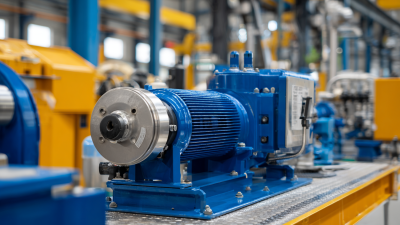
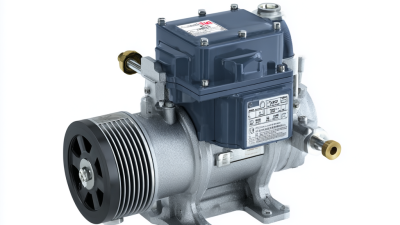
Choosing the right hydraulic valves is crucial for any hydraulic system. Hydraulic valves control fluid flow and pressure, impacting overall efficiency and performance. Poor valve selection can lead to operational failures and increased costs.
With various types available, understanding their functions is essential. Flow control, pressure relief, and directional control are just a few categories. Each valve serves specific needs, and overlooking details can cause issues. For instance, valve size and compatibility with existing components matter.
Moreover, consider your system's unique requirements. Evaluating operating conditions, such as temperature and pressure, can refine your choices. Ignoring these factors may result in underperformance. In conclusion, reflecting on these details helps ensure optimal function of hydraulic valves in your system.
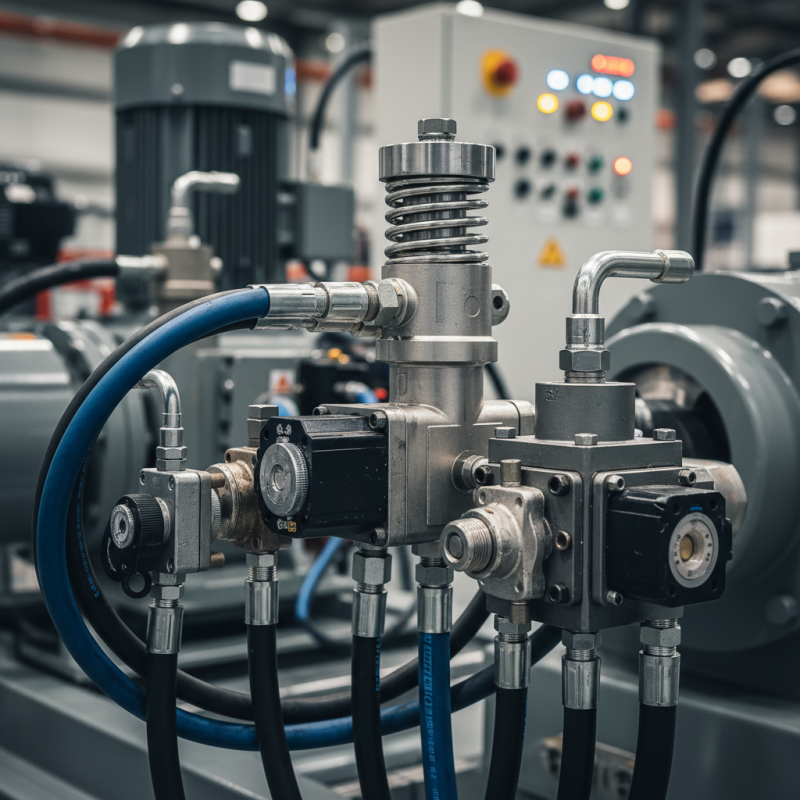
Choosing the right hydraulic valves for your system involves several critical factors.
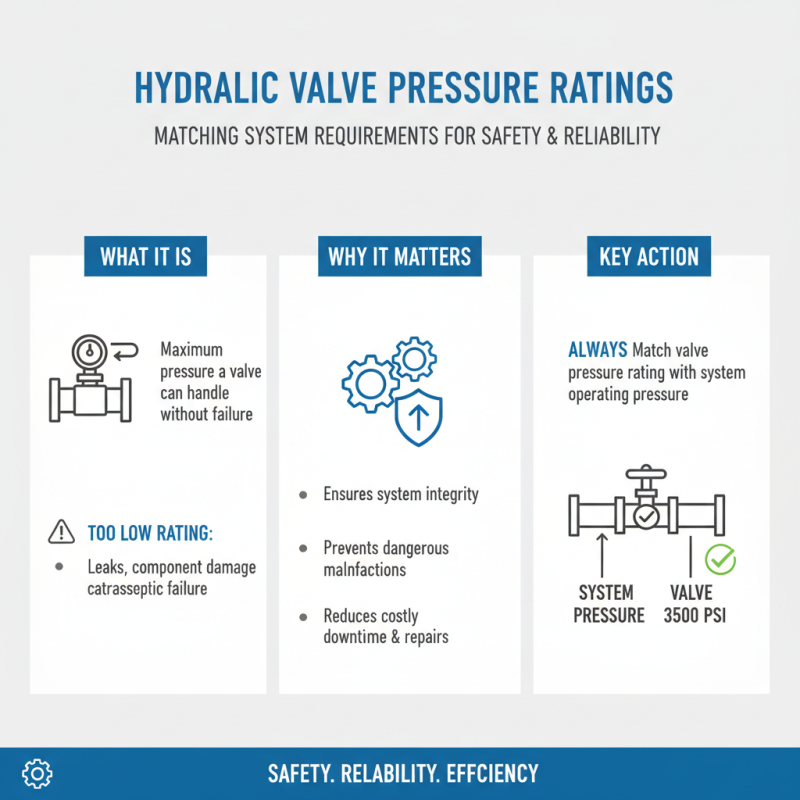
Pressure rating is essential.
It determines how much pressure the valve can handle. If you exceed this rating,
failures may occur, leading to system downtime. Make sure to check your system's
maximum pressure before selecting.
Flow rate is another key consideration.
It impacts how quickly hydraulic fluid moves. An inadequate flow rate can slow down
operations. Too high can cause excessive wear. Consider your application's specific
needs carefully. It’s a delicate balance.
Tips: Always assess the environment. Factors like temperature and humidity can
affect valve performance. Make sure the materials are suitable. Also, consider the valve type.
There are various options like directional control and flow control valves. Each serves a
different purpose.
Don’t forget about maintenance ease. Some valves require more upkeep than others. Sometimes,
complicated designs can lead to confusion during maintenance. Simplicity can often enhance
reliability. Evaluate how often you’re willing to perform maintenance when making your choice.
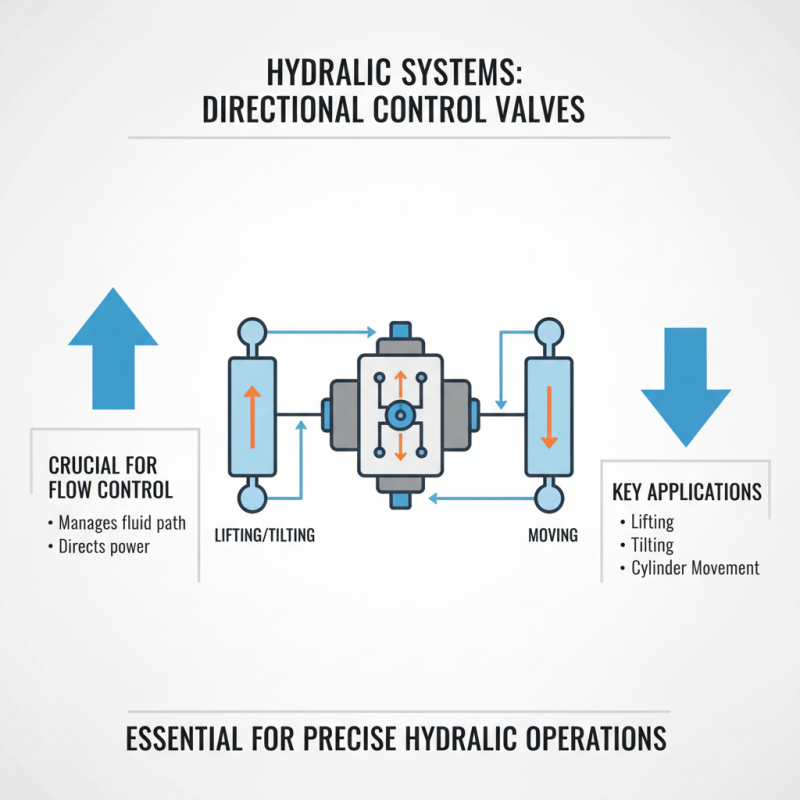
When dealing with hydraulic systems, understanding the types of valves is crucial. There are several common types, each with specific applications. Directional control valves are vital for controlling flow paths. These valves direct the fluid to different parts of a system. They help in managing tasks like lifting, tilting, and moving hydraulic cylinders.
Pressure relief valves ensure safety by preventing excessive pressure buildup. They divert excess fluid back to the reservoir, which prevents potential damage. Flow control valves regulate the speed of actuators. Adjusting these valves can affect the efficiency of the entire system.
However, choosing the right valve requires careful consideration. The wrong choice can lead to inefficiencies or system failures. It's essential to understand the demands of your system. Factors like pressure ratings and flow rates should not be overlooked. Each system has unique requirements, and oversights can be costly. Balancing quality and cost can also be challenging. Thoughtful evaluation is key to optimizing performance in hydraulic applications.
When selecting hydraulic valves, understanding pressure ratings is crucial. Pressure ratings indicate the maximum pressure a valve can handle without failing. Too low a rating can lead to leaks or catastrophic failure. It's vital to match the valve's pressure rating with your system’s requirements. This avoids potential dangers and costly downtime.
Flow requirements also play a significant role. The valve must accommodate the desired flow rate of the hydraulic system. An insufficient flow rate can result in sluggish system response or inefficiency. Assessing the needed flow size involves considering pipe diameters and overall system layout. A mismatch here could lead to serious operational issues. Be aware of how each component interacts.
Choosing the right hydraulic valves demands attention to these details. Overlooking pressure ratings or flow requirements can lead to frustration and unexpected challenges. Reflect on the overall system design. Ensure all aspects harmonize to achieve optimal performance. Balancing these factors often leads to better outcomes in hydraulic applications.
When selecting hydraulic valves, compatibility with fluid types is crucial. Different fluids have distinct properties. For instance, water-based fluids, biodegradable oils, and synthetic liquids require specific materials. Using the wrong valve can lead to leaks or failures. Elastomers might degrade in certain fluids, causing unexpected issues.
System components also play a significant role. Valves should match the pressure and flow requirements of the system. Mismatched components can lead to inefficiencies. Sometimes, it’s tempting to overlook pressure ratings for cost savings. However, this choice often results in future headaches. Properly evaluating all components ensures a seamless operation.
Compatibility extends beyond just fluid and components. Environmental factors are often overlooked. Temperature variations can affect performance. Choosing a valve that can handle these fluctuations is essential. You might find yourself facing reality when a valve fails due to harsh conditions. Always take the time to assess these factors thoroughly.
When it comes to hydraulic valves, maintenance and installation practices are crucial. Regular inspection is essential for preventing failures. According to a study by the Fluid Power Research Center, poorly maintained hydraulic systems can lead to efficiency losses of up to 30%. This showcases the importance of frequent checks on hydraulic valves.
Installation must be handled with care. Improperly installed valves can cause leaks and system failures. A recent industry survey revealed that 25% of hydraulic issues stem from installation errors. Use proper torque specifications and follow guidelines carefully. Ensuring correct alignment during installation is necessary for optimal performance.
Additionally, cleaning and replacing filters is vital. Contaminated fluid can diminish valve life. A report showed that 70% of hydraulic failures are due to contamination issues. Regular cleaning schedules and monitoring fluid quality will mitigate many problems. Always document maintenance activities, as this builds a clear history for troubleshooting in the future.
Hi! Simply click below and type your query.
Our experts will reply you very soon.