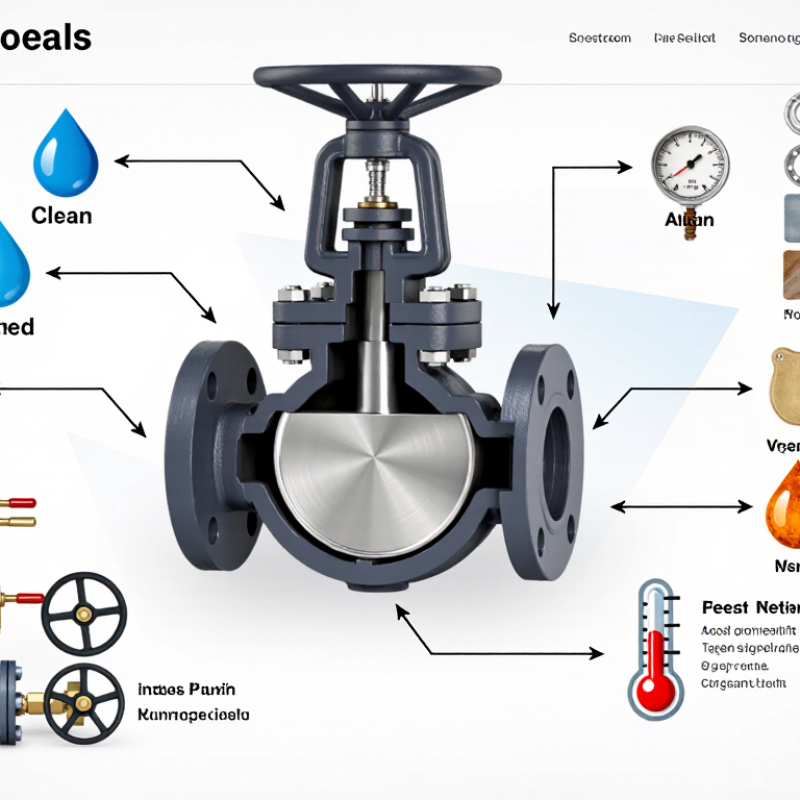
Choosing a Cast Iron Butterfly Valve is not just a matter of matching pipe size. A valve that looks suitable on a drawing may behave differently once installed in a real line. Flow, operating pressure, temperature, and the fluid all matter. So do seat material and disc design. Cast iron bodies are common in many water and HVAC systems, but suitability depends on service conditions and the manufacturer’s ratings. Small details count.
Before selecting a model, confirm the line size, pressure class, connection type, and available installation space. Check whether the valve will handle clean water, treated water, or a fluid that may cause corrosion or wear. Then consider how often it will operate and whether manual or powered actuation is appropriate. A compact lever may suit an accessible pipe, while a geared operator can make larger valves easier to control. Fit matters.
Do not rely on a product name alone. Compare the technical data sheet with the actual system requirements, including pressure and temperature limits, face-to-face dimensions, and seat compatibility. If information is missing, ask the supplier or manufacturer for clarification rather than guessing. Even a familiar installation can have one overlooked constraint. This guide explains how to weigh those practical factors, compare options, and choose a valve that fits the application—not merely the catalog description.
A cast iron butterfly valve controls flow with a circular disc mounted on a rotating stem. A quarter-turn moves the disc from open, where it aligns with the pipe, to closed, where it blocks the passage. Between those positions, the disc restricts flow. Small movement, big change. The disc and seat affect sealing, operating torque, and resistance to wear, so check their materials against the fluid and service conditions. Cast iron is common in water and building-service piping, but it is not suitable for every pressure, temperature, or medium.
Operating conditions matter. The U.S. Department of Energy’s Improving Pumping System Performance sourcebook reports that pumping systems use nearly 20% of the world’s electrical energy. It also notes that pumps can account for 25–50% of energy use in some industrial plant operations. A valve does not determine pump efficiency alone, but throttling can add flow resistance. Consider whether the valve will mainly isolate a line or regularly regulate flow. Then check pressure rating, temperature limits, connection type, and required shutoff performance. A small oversight here can mean a poor fit.
Pressure, temperature, and media should be checked together when selecting a cast iron butterfly valve. AWWA C504 specifies waterworks butterfly valves in pressure classes including 25B, 75B, 150B, and 250B. Treat these as class ratings, not permission to ignore pressure surges: compare the valve’s rating with normal pressure and credible transient peaks. A pump starting against a closed line can create a very different load from steady operation.
Temperature limits depend on the seat and seal materials, not just the cast iron body. Confirm the manufacturer’s pressure-temperature limits for the exact trim, and check whether hot water or frequent temperature cycling changes seat performance. ASTM A126 Class B gray iron has a minimum tensile strength of 31,000 psi; that material value does not establish a valve’s working-pressure rating. Easy to confuse.
Media compatibility matters just as much. Water, wastewater, and mildly abrasive service can affect seat wear differently; chemicals may attack the elastomer even when the body is suitable. Record the fluid, concentration, solids, and operating temperature, then verify them against documented material limits. A common selection mistake is choosing by pipe size and pressure alone. I would still question any specification that omits surge pressure or seal details.
Choosing a cast iron butterfly valve starts with the actual pipe and operating conditions, not just the nominal line size. Check the pipe’s inside diameter, expected flow, pressure, and the space available for the handle or actuator. An oversized valve may be difficult to control at low flow, while an undersized one can create unwanted pressure loss. Measure twice.
Disc design affects both flow and shutoff. A standard disc suits many general water and air services, but its shape and position can influence flow resistance and clearance inside the pipe. Check that the disc can rotate fully without contacting a liner, nearby fitting, or pipe wall. For frequent operation, consider actuator torque and cycle rate—not only the valve’s listed size. Small details matter.
Seat material should match the fluid, temperature, and cleaning conditions. EPDM is often considered for water service, while nitrile may suit some oil applications; neither is suitable for every mixture or temperature. Confirm compatibility with a reliable material chart or the valve supplier’s technical data. Also verify the pressure rating and installation orientation. The tempting choice is the cheapest seat, but replacing it early can cost more. It is not always obvious which condition will limit service life, so check the full duty cycle before specifying the valve.
| Selection factor | Options or data | How to choose | Important checks |
|---|---|---|---|
| Nominal valve size | Specify the line size using the applicable nominal designation, such as DN or NPS. Butterfly valves are commonly available across a wide range of sizes, but availability varies by design and manufacturer. | Start with the connected pipe size and required flow. Confirm the valve’s flow capacity and pressure drop at the expected operating conditions rather than selecting by pipe size alone. | Check the valve’s face-to-face dimensions, flange drilling, pipe schedule or inside diameter, and connection standard. Do not assume that valves with the same nominal size have identical dimensions. |
| Flow and operating conditions | Relevant conditions include flow rate, fluid density, operating pressure, temperature, and whether flow is continuous or intermittent. | Use the supplier’s flow coefficient data and sizing method to check that the valve can control or isolate the required flow without excessive pressure loss or unsuitable operating torque. | Consider minimum and maximum flow, pressure fluctuations, throttling duty, and the actuator’s available torque. A butterfly valve may not be suitable for every throttling application. |
| Body material | Gray cast iron and ductile iron are distinct materials. Gray iron is commonly used for general-purpose water-service valve bodies; ductile iron provides greater strength and ductility. | Choose a body material appropriate to the system pressure, service, piping standard, and installation environment. | Verify the material grade, applicable product standard, corrosion protection, and pressure-temperature rating. “Cast iron” alone does not identify a specific grade or rating. |
| Pressure rating | Common designations include ASME Class 125 or Class 150 for certain valve and piping applications; the actual rating depends on the valve design, material, size, and governing standard. | Select a valve rated for the system’s maximum working pressure, including foreseeable surges and temperature effects. | Confirm the manufacturer’s pressure-temperature limits and the applicable standard. A class designation should not be treated as a universal pressure value for every size or material. |
| Disc design | Concentric (centered), double-offset, and triple-offset designs are common butterfly-valve configurations. | Concentric designs are widely used for general-purpose, resilient-seated isolation. Offset designs can reduce seat contact during rotation and may be selected for particular pressure, temperature, or service requirements. | Check the valve’s shutoff direction, allowable leakage class, seat arrangement, operating torque, and whether the design is intended for isolation, throttling, or both. |
| Disc material and coating | Disc materials and protective coatings vary by valve construction; options may include iron-based materials, stainless steel, or coated surfaces. | Match the disc’s wetted material and coating to the fluid, corrosion conditions, and required service life. | Confirm compatibility with the process fluid and any cleaning chemicals. Check whether the disc edge contacts the seat and whether the coating is suitable for the application. |
| EPDM seat | EPDM is commonly used in water and some aqueous services. It is generally not suitable for petroleum oils and many hydrocarbon fluids. | Consider EPDM for compatible water-service applications when its pressure and temperature limits meet the system requirements. | Check the exact compound’s temperature range and chemical compatibility, including additives, disinfectants, and cleaning agents. Limits vary by product. |
| NBR (Buna-N) seat | NBR is often considered for oils and certain hydrocarbon services, but compatibility depends on the particular fluid and compound. | Consider NBR where oil resistance is needed and the operating temperature and fluid composition are within the seat manufacturer’s limits. | NBR may have limitations with weathering, ozone, some chemicals, and hot-water service. Verify compatibility for the actual fluid, not just its general category. |
| PTFE seat or liner | PTFE offers broad chemical resistance and low friction, but butterfly-valve designs using PTFE have construction-specific pressure, temperature, and sealing limits. | Consider PTFE when chemical compatibility is a key requirement and the valve design meets the system’s shutoff and operating conditions. | Confirm the full valve assembly’s limits, including backing materials, seals, and seat support. Broad chemical resistance does not mean universal compatibility. |
| End connection | Common configurations include wafer, lug, and flanged bodies, subject to the valve’s design and size range. | Choose a connection that matches the piping layout, required maintenance access, and the applicable flange standard. | Check flange dimensions and bolting. A lug-style body may permit certain end-of-line arrangements only when specifically rated by its manufacturer. |
| Actuation and installation | Valves may be operated by a lever, gear operator, or powered actuator, depending on size and application. | Choose the operator based on valve torque, operating frequency, required control, and available power or manual access. | Verify actuator torque against the valve’s required torque under the worst operating conditions. Check mounting interfaces, position indication, and installation clearance. |
| Final specification | Record nominal size, body and disc materials, seat material, pressure-temperature rating, end connection, operating method, and required leakage performance. | Compare complete valve specifications against the project requirements before ordering. | Have the final selection reviewed against the applicable piping code, product standard, fluid compatibility data, and manufacturer documentation. |

Note: Material compatibility, pressure ratings, temperature limits, and available configurations vary by valve design and supplier. Confirm all limits against current product documentation for the specific valve.
Before choosing a cast iron butterfly valve, identify the standards that apply to the line. Check the required pressure and temperature ratings, flange drilling, face-to-face dimensions, and inspection requirements. A valve that fits between two flanges may still have the wrong rating. Small mismatch, big leak.
Match the actuator to real operating conditions, not just the pipe diameter. Differential pressure, fluid type, and how often the valve cycles all affect operating torque. Allow for a sensible margin, then confirm the actuator’s power supply, control signal, and required fail position. For example, a shutoff valve on a pump line may need different controls from one used for routine flow adjustment. Torque estimates can be imperfect; verify them against the valve’s technical data.
Check installation details before the valve reaches the site. Confirm whether the body is wafer, lug, or flanged, and make sure the disc can open without hitting a pipe lining, elbow, or nearby fitting. Keep the pipe ends aligned and support the line so its weight does not distort the body. I have seen “standard” dimensions assumed too casually. Measure the available face-to-face space and review the installation instructions for the specific valve design.
Evaluating Quality, Maintenance, and Service Life
Quality shows in the details you can inspect. Check that the valve body has an even casting, without visible cracks, deep pits, or rough damage around the flange faces. The disc should move smoothly through its full travel, and the stem should not feel loose. Ask for pressure and material data, then compare them with your actual operating conditions. A valve suited to clean water may not suit abrasive or chemically aggressive service.
Small details matter.
Maintenance needs room and a routine. Leave access to the handle or actuator, and inspect the stem area for leaks, corrosion, or unusual resistance. Before installation, clean the pipe and check that the disc clears the bore; trapped grit can damage a seat. Follow the maker’s inspection guidance, but adapt intervals to cycling frequency and fluid conditions.
A clean exterior can hide internal wear, so appearance alone is weak evidence. Not always obvious.
Service life depends on correct sizing, compatible materials, and steady maintenance—not just purchase price. Record inspection dates and changes in operating effort. If a valve becomes harder to turn, investigate early; forcing it may worsen damage. Even a careful schedule can miss a developing problem, so leave room to reassess it.
Hi! Simply click below and type your query.
Our experts will reply you very soon.