How to Choose the Right High Pressure Pump for Your Needs?
Choosing the right high pressure pump is crucial for various applications. It can affect efficiency, performance, and the overall outcome of your project. High pressure pumps come in various types, each designed for specific tasks. Understanding your unique needs is essential.
Consider the pressure requirements for your tasks. Some tasks may demand higher pressure levels, while others might not. Evaluate the flow rate as well—this can influence how quickly you achieve your goals. Do not overlook the pump's material and durability. These aspects determine how well the pump will perform over time.
Sometimes, despite research, you may find contradictions between the pump's specifications and real-world performance. User reviews and expert opinions can help clarify these discrepancies. Reflecting on past experiences can guide future choices. Making an informed decision about a high pressure pump means balancing these factors carefully.
Understanding High Pressure Pumps and Their Applications
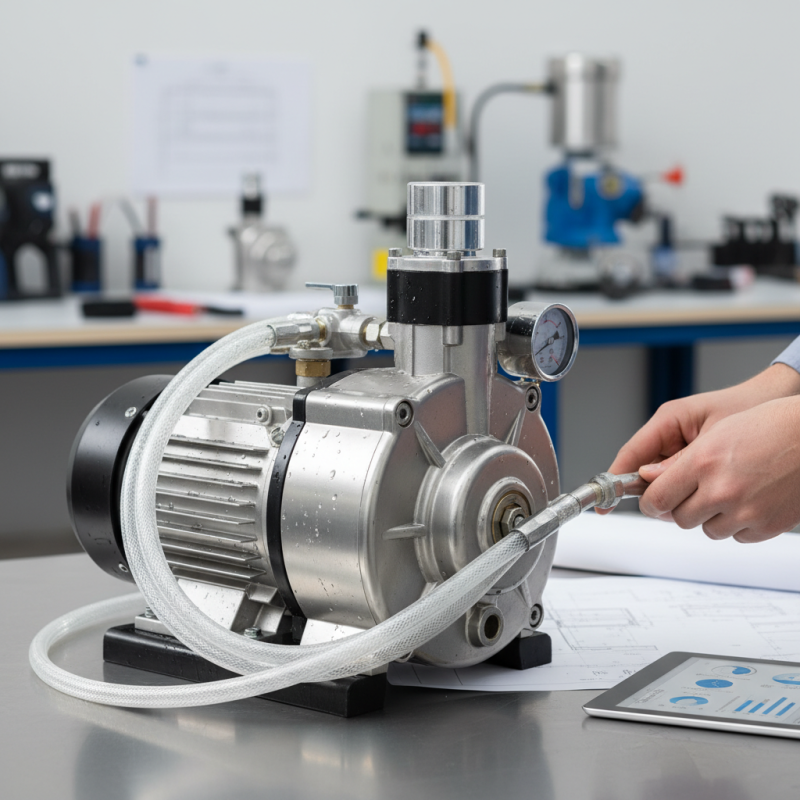
High pressure pumps are essential in various applications. They can be used for cleaning, spraying, and even in industrial processes. Understanding these pumps helps in choosing the right model. For example, different jobs require different pressure levels. A pump for car washing is not the same as one for industrial cleaning.
When selecting a pump, consider factors like flow rate, pressure, and design. Flow rate determines how quickly you can complete a task. Pressure affects the intensity of the spray. Choosing a suitable design is often overlooked. A heavy, bulky pump can be hard to maneuver, while a lightweight option may lack power.
Remember, not all pumps are built the same. Some might chatter or vibrate excessively during use. This can lead to inefficiency and frustration. Always test the pump if possible before buying. It’s also wise to read reviews or consult users. A little research could save a lot of headaches later on.
How to Choose the Right High Pressure Pump for Your Needs?
| Application |
Required Pressure (psi) |
Flow Rate (GPM) |
Power Source |
Common Features |
| Car Wash |
1500 - 3000 |
2 - 5 |
Electric |
Adjustable Nozzle, Thermal Protection |
| Industrial Cleaning |
2000 - 5000 |
3 - 10 |
Diesel |
Heavy-duty Frame, Safety Valve |
| Agriculture |
300 - 1500 |
5 - 15 |
Gasoline |
Portable Design, Adjustable Flow Rate |
| Construction |
3500 - 6000 |
10 - 30 |
Electric or Diesel |
Robust Construction, Long Hose |
| Fire Fighting |
80 - 150 |
20 - 50 |
Gasoline |
Portable, High Flow Rate |
Key Specifications to Consider When Choosing a Pump
Choosing the right high pressure pump involves understanding key specifications.
Flow rate is crucial. This refers to how much liquid the pump can move in a given time.
A flow rate that is too low will delay your project. On the other hand, a pump with an excessive flow rate can waste resources.
Pressure rating is another vital specification. It indicates the maximum pressure the pump can handle safely.
If you underestimate this, the pump could fail. Efficiency ratings should not be ignored either.
A highly efficient pump can save you money over time. Look for energy consumption metrics to understand long-term costs.
Material composition is also important. Consider what substances the pump will handle.
Corrosive liquids require specially designed pumps.
Failing to account for this can lead to failures and repairs. It's essential to evaluate your needs carefully.
What looks good on paper may not work in practice. Reflect on your specific requirements and test various options.
Assessing Pump Performance Metrics: Flow Rate and Pressure
When selecting a high-pressure pump, understanding the pump performance metrics is crucial. Two essential factors are flow rate and pressure. The flow rate indicates how much fluid the pump can transport in a given time. It is typically measured in gallons per minute or liters per second. Higher flow rates are beneficial for larger applications. However, a very high flow rate can lead to inefficiencies in smaller setups.
Pressure, measured in psi or bar, is equally important. It affects how much force the pump exerts. In many cases, too much pressure can cause damage to the system. Pumped fluids need to reach a specific pressure for effective operation. Ensure that the pressure rating aligns with your application requirements. This can be tricky, as some setups might require lower pressure for delicate tasks.
**Tips:** Consider the nature of your fluid. Viscous fluids may impact flow rates significantly. Assess the total dynamic head (TDH) in your setup. This factor can often be overlooked. Pay attention to both metrics, as they will determine the overall efficiency of your pump system. Achieving the right balance requires careful calculation and sometimes testing. Don’t shy away from consulting with experts. Sometimes, what seems like the best option may not suit your specific needs.
High Pressure Pump Performance Metrics
Identifying the Correct Power Source for Your High Pressure Pump
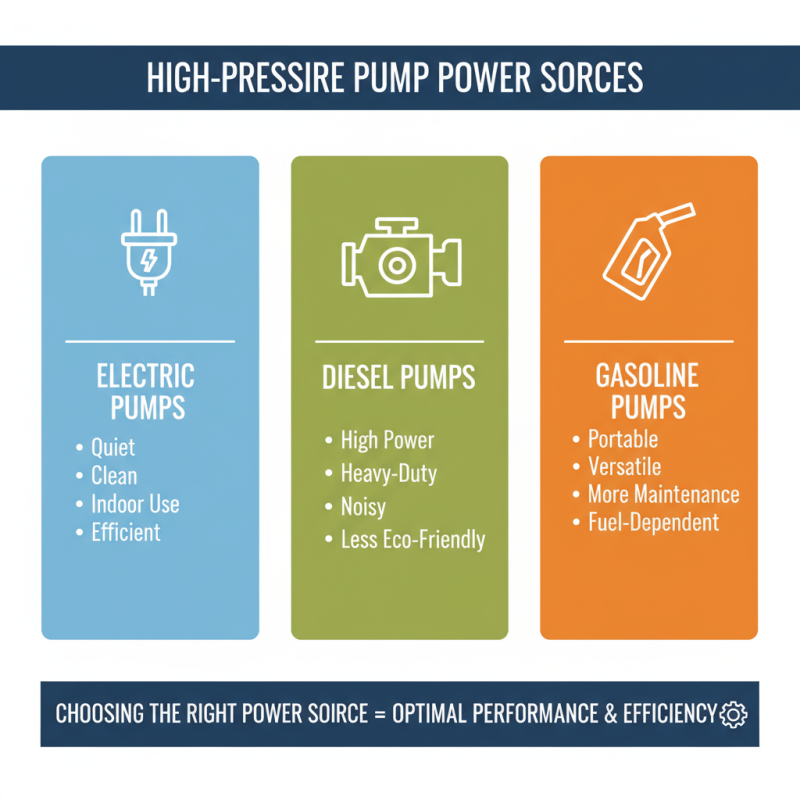
Choosing the right power source for a high pressure pump is crucial. It affects performance and efficiency. There are various options: electric, diesel, and gasoline. Each source has its pros and cons. Electric pumps are quiet and clean. They are great for indoor use. Diesel pumps offer more power for heavy-duty tasks. However, they can be noisy and less environmentally friendly. Gasoline pumps are portable but may require more maintenance.
Consider your specific needs carefully. How large is the area you will operate in? If working indoors, electric may be best. For outdoor jobs, diesel could provide the necessary force. Assess the frequency of use. If you only need the pump occasionally, a gasoline option might suffice. But if you're on a tight schedule, reliability is key.
Think about fuel availability as well. Can you easily access diesel or gasoline? What about electricity? These practical aspects play a vital role in decision-making. Ensure there are no surprises later. Reflecting on your choices leads to more informed decisions in the future.
Budgeting and Long-Term Maintenance Considerations for Pumps
When considering a high-pressure pump, budgeting and maintenance play vital roles. Setting a clear budget helps prioritize features and performance needs. Don't overlook initial costs; they can easily escalate. Plan for unexpected expenses. Maintenance is often a hidden long-term cost. Regular checks can prevent minor issues from becoming major repairs.
Understanding the maintenance requirements of your chosen pump is crucial. Some models demand more attention than others. Consider your working environment. Dust, moisture, and chemical exposure can affect durability. Always allocate funds for replacement parts and routine servicing. Neglecting these aspects can lead to costly downtime and repairs.
Think about how often you’ll use the pump. An overdesigned model may not be necessary for occasional, light use. However, a less robust option might not withstand heavy daily demand. It's essential to balance performance with ease of maintenance. There’s a tendency to overlook simple tasks, like changing filters regularly. Make it a priority to address these needs. This foresight can extend your pump's life significantly.