How to Choose the Best Mini RV Fridge for Your Travels?
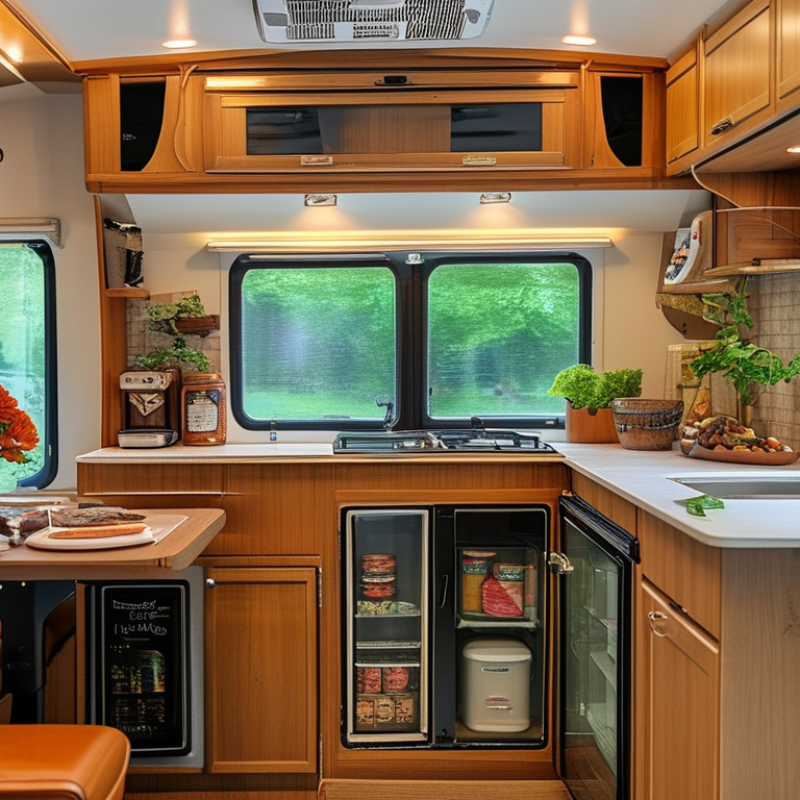
Choosing the right mini RV fridge for your travels can greatly enhance your journey. A mini RV fridge is essential for storing food and beverages while on the road. Imagine enjoying fresh snacks or cold drinks whenever you please.
However, not all mini RV fridges are created equal. You may find various sizes, features, and prices. It’s easy to feel overwhelmed. Understanding your personal needs and preferences can help narrow down your options.
Consider your travel habits and the space available in your RV. That will guide you in making a better choice. Some fridges may have advanced features, while others are simpler and more affordable. Balancing price and quality is crucial. Exploring user reviews can provide valuable insights. Making an informed decision is the key to enhancing your RV experience.
Understanding the Importance of a Mini RV Fridge for Travelers
When traveling in an RV, having a mini fridge can greatly enhance your experience. This essential appliance provides a convenient way to store food and drinks. Fresh produce and cold beverages make any journey more enjoyable. Without it, you may find yourself relying on roadside stops or unhealthy snacks. It can be a struggle to maintain a balanced diet while on the road.
Understanding which features matter is crucial. Consider the size and energy efficiency of the fridge. A compact model fits better in limited spaces. Additionally, look for storage options that keep items organized. Don’t forget about the cooling methods, as some fridges function better in various temperatures. Reflect on your personal travel habits. If you prefer longer trips, an efficient mini fridge can save you time and money.
Sometimes, choosing the right mini fridge can be overwhelming. Each model has unique pros and cons. Price also varies widely, which can complicate decisions. Be prepared to weigh your options carefully. Think about how it aligns with your travel goals. A mini fridge should fit your lifestyle, not hinder it. It's about making the journey not just bearable, but enjoyable.
Mini RV Fridge Capacity Comparison
This chart compares the capacities of various mini RV fridges, with data presented in liters. It's essential for travelers to choose an appropriate mini RV fridge to ensure they have sufficient storage for their food and beverages while on the road.
Key Features to Consider When Selecting a Mini RV Fridge
When selecting a mini RV fridge, paying attention to key features can ensure a great travel experience. Size is crucial. Measure the space available in your RV before purchasing. A model that is too large won't fit, while one that is too small will limit your storage. Consider the cooling capacity. Does it fit your typical food and drink usage? Verify if it can handle varying external temperatures, especially in extreme conditions.
Energy efficiency is vital as well. A fridge that consumes less power can extend your camping trips and reduce battery drain. Evaluate the noise level too. Some fridges can be loud, disrupting your peace. Look for models with good reviews on quiet operation. You might also want to explore additional features like adjustable shelves and temperature controls for added convenience.
Don't overlook the build quality. A sturdy fridge can withstand the bumps of travel. Evaluate materials and design. The fridge should be easy to clean and maintain. Think about how you will secure your items during travel. Many units have locking mechanisms or removable shelves that can help. Reflect on how these aspects align with your travel habits. Investing time in research can lead to a better choice for your adventures.
Comparing Different Types of Mini RV Fridges: Pros and Cons
When choosing a mini RV fridge, understanding the different types is essential. Generally, these fridges can be categorized into three types: absorption, compressor, and thermoelectric. Each type has unique features, advantages, and drawbacks that can affect your travel experience.
Absorption fridges use heat to create cooling. They are silent and can run on propane or electricity. However, their efficiency can be limited in extreme temperatures, leading to variability in performance. Data indicates that absorption models may use up to 80% more energy compared to compressor-style counterparts under similar conditions. This inefficiency can significantly impact your RV’s power consumption.
Compressor fridges are considered the gold standard for cooling in RVs. They operate like a standard household fridge and are more efficient in energy use. Compared to absorption models, they can keep items colder for longer periods. However, they tend to be noisier and heavier, which may be a concern for some RV enthusiasts. They typically consume around 30% to 50% less energy, particularly in hot climates, which can enhance your overall travel comfort.
Thermoelectric fridges are lightweight and budget-friendly. They work best in moderate temperatures but struggle with cooling in hotter environments. While they do not require a compressor, their limited cooling capability can be a disadvantage on long trips. This type often leads to a false sense of security regarding food preservation, as many users underestimate their inefficiency in high heat.
Evaluating Energy Efficiency and Power Options for Mini RV Fridges
When selecting a mini RV fridge, energy efficiency is paramount. According to the U.S. Department of Energy, a refrigerator's efficiency is measured in kilowatt-hours (kWh) per year. Mini fridges typically consume between 100 to 300 kWh annually. Lower consumption means reduced energy bills and less strain on your RV's battery.
Power options play a crucial role as well. Many mini RV fridges offer dual power functions, allowing for operation via AC or DC. This is vital for travelers who frequently switch between campsites and rely on generators or solar panels. The flexibility in power sources enables greater adaptability in diverse conditions. A 2021 survey indicated that over 60% of RV owners prefer units that operate on both power sources.
Additionally, consider the placement and insulation of the fridge. Poorly placed units can increase energy consumption by 20%. Insulation quality should also not be overlooked; better-insulated fridges retain cold air efficiently, reducing energy use. Review the Energy Star ratings before purchasing. Though some models may cost more upfront, the long-term savings in energy bills can be significant, highlighting the need for thoughtful selection rather than impulsive purchases.
Budgeting for Your Mini RV Fridge: Costs and Value Considerations
When considering the cost of a mini RV fridge, it’s essential to evaluate both price and value. Not all fridges are created equal. Think about the features you need. A basic model may suffice, but a fridge with a freezer section could enhance your travels. Each additional feature often comes with a higher price tag. Research how much you are willing to spend and what you truly need.
Energy efficiency is another critical factor. Some models may cost more upfront but save you money in the long run. Look for fridges with good energy ratings. They use less power and can reduce your overall expenses during your trips. However, don’t overlook the importance of reliability. Cheaper units might break down or fail when you need them most.
Consider your travel style. If you camp for long periods, opting for a slightly more expensive but reliable model may be wise. Weight is crucial if you plan to tow your RV. Lightweight models might come at a premium but are easier to handle. Aim for a balance between cost and utility. In the end, reflecting on your travel habits will guide you in making the right choice.