Why Choose a 3 Phase Transformer for Your Power Needs?
In today's power landscape, the choice of transformer technology is crucial. The 3 Phase Transformer stands out for its efficiency and reliability. According to the International Electrotechnical Commission, three-phase systems can carry three times the power of single-phase systems while minimizing losses. This efficiency translates into lower operational costs for businesses.
Employing a 3 Phase Transformer not only reduces energy waste but also enhances system stability. The U.S. Department of Energy reports that properly designed three-phase transformers can achieve efficiencies above 98%. Such performance is vital for industries relying on continuous power. However, the initial costs may be higher than single-phase options, which requires careful budgeting.
Individuals may overlook the importance of transformer maintenance. While a 3 Phase Transformer has a longer lifespan, it still necessitates regular checks. Neglecting this can lead to unexpected outages. A well-informed choice requires weighing these factors. Understanding both benefits and challenges is key to making sound decisions in power management.
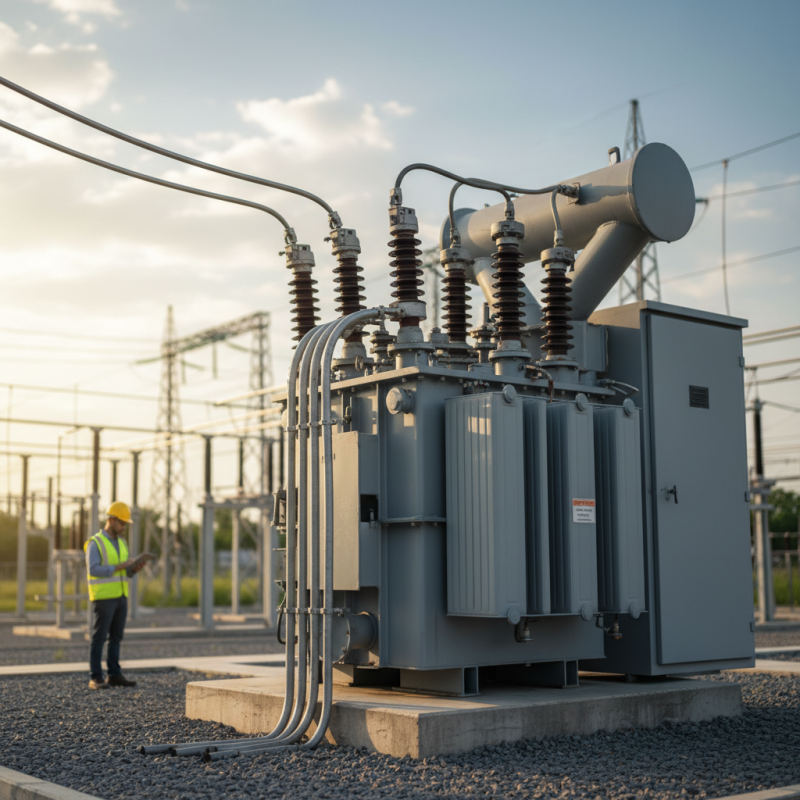
Advantages of Using a 3 Phase Transformer for Power Supply
Three-phase transformers are essential for many industrial applications. They offer several advantages over single-phase transformers. One key benefit is their efficiency. A three-phase system uses three conductors, allowing for a more balanced load. This reduces energy losses and improves performance.
Another significant advantage is the increased power capacity. Three-phase transformers can handle larger loads, making them suitable for heavy machinery and industrial equipment. This is crucial in facilities where consistent power supply is vital. The ability to deliver high-quality power reduces the risk of equipment damage and downtime.
However, installing three-phase transformers can require careful planning. Space and wiring must be considered for optimal functionality. In some cases, the initial costs may be higher than single-phase options. Yet, businesses often find that the long-term savings and reliability make the investment worthwhile. Balancing these factors is essential for achieving the best outcome.
Why Choose a 3 Phase Transformer for Your Power Needs?
This chart illustrates the advantages of using a 3 phase transformer in various applications, including efficiency, reliability, and cost-effectiveness compared to single-phase transformers.
Understanding the Basics of 3 Phase Transformer Operation
A three-phase transformer plays a vital role in electrical distribution systems. Understanding its operation is essential for optimizing power needs. A three-phase transformer consists of three sets of windings. These are designed to work together, providing a balanced power supply. Industry reports show that three-phase systems are 50% more efficient than single-phase counterparts. This efficiency translates to reduced energy losses during transmission.
The operation of a three-phase transformer relies on phase shift and magnetic coupling. Each winding is spaced evenly at 120 degrees apart. This configuration allows for smoother power flow and reduces voltage fluctuations. According to research from the Institute of Electrical and Electronics Engineers (IEEE), three-phase transformers can handle higher loads with less overheating. This is crucial for industrial applications, where downtime can be costly.
However, challenges in installation and maintenance can arise. The complexity of three-phase systems requires skilled professionals for optimal performance. Moreover, improper sizing can lead to inefficiencies. Not all facilities may require this advanced setup. Understanding specific power needs remains crucial. Each system has its own strengths and weaknesses. Address these issues to ensure a reliable and efficient electrical supply.
Applications of 3 Phase Transformers in Various Industries
Three-phase transformers play a crucial role in various industries. Their ability to deliver efficient power distribution makes them suitable for large operations. In manufacturing, for example, these transformers help run heavy machinery. Increased power output ensures minimal downtime. Factories benefit from reliable and stable energy supplies.
In commercial sectors, three-phase transformers support HVAC systems and lighting. They manage high loads efficiently, reducing electricity costs. Retail spaces depend on uninterrupted power for their operations. This reliability enhances customer experiences. However, selecting the right transformer requires careful analysis of specific energy needs.
Transportation industries also rely on these transformers for electric trains and trams. They ensure that vehicles operate efficiently and safely. This dependence shows the importance of regular maintenance to avoid failures. Overall, three-phase transformers are essential but require mindful consideration for optimal use.
Why Choose a 3 Phase Transformer for Your Power Needs? - Applications of 3 Phase Transformers in Various Industries
| Industry | Application | Benefits of 3 Phase Transformer | Typical Power Range (kVA) |
| Manufacturing | Machinery Power Supply | Higher efficiency, reduced energy losses | 50 - 5000 |
| Construction | Construction Site Power Supply | Stable output, ability to handle high loads | 30 - 2000 |
| Telecommunications | Data Center Power Supply | Reliable backup power, minimized downtime | 15 - 1200 |
| Food & Beverage | Processing Equipment | Consistent power quality, improved production | 20 - 1500 |
| Mining | Heavy Equipment Power Supply | Ability to power massive loads, robust performance | 100 - 6000 |
Comparing 3 Phase Transformers with Single Phase Transformers
When comparing 3 phase transformers with single phase transformers, it's essential to understand their core differences. A 3 phase transformer handles three alternating currents simultaneously, offering balanced power distribution. This is crucial in industrial settings where large motors and heavy machinery operate. Single phase transformers power smaller loads effectively but may struggle under high demand.
The efficiency of 3 phase transformers often surpasses that of single phase units. They reduce energy losses due to balanced load sharing across three coils. In real-world applications, this means less heat generation and longer equipment lifespan. However, installing and maintaining 3 phase systems can be more complex, requiring skilled technicians and sometimes more space. This complexity might not justify the cost in smaller-scale uses.
Despite their advantages, 3 phase transformers aren’t perfect for every situation. In residential areas, single phase units often suffice and are more economical. Choosing the right transformer depends on current needs and future expansion plans. Reflecting on those details can prevent costly over-specifications or underperformance later.
Key Considerations When Selecting a 3 Phase Transformer
When selecting a three-phase transformer, several key considerations can influence your decision. First, assess the power rating required for your application. Industry reports indicate that three-phase transformers handle higher loads more efficiently than single-phase units. They often provide around 30% more power capacity, crucial for industrial applications.
Another vital factor is the transformer’s impedance. A lower impedance may lead to more substantial short-circuit currents, potentially risking equipment. On the contrary, higher impedance can reduce fault currents but might limit performance. It's essential to strike a balance based on your specific operational requirements.
Tips: Choose a transformer with a power factor correction feature. This adjustment can enhance overall efficiency. Ensure compliance with local and national electrical codes, minimizing safety risks. Lastly, consider the environment where the transformer operates. Environmental factors, like temperature and humidity, can affect transformer performance significantly.
Remember, choosing the right transformer is not just about specifications. It demands a nuanced understanding of your power needs and potential future growth. Reflect on the unique demands of your operations to avoid underestimating your requirements.

