China Top High Pressure Hydraulic Pump Manufacturers?
Choosing a reliable High Pressure Hydraulic Pump manufacturer in China requires more than comparing catalogue prices. Pressure capability, manufacturing discipline, testing procedures, and after-sales support all influence long-term performance. A pump may appear impressive at 350 bar, yet fail early when oil cleanliness, temperature, or shaft alignment is ignored.
Anthony Esposito, a recognized fluid-power author and engineer, emphasizes a practical principle: “Proper component selection is essential to hydraulic-system performance.” This idea should guide every supplier comparison. Serious manufacturers should provide pressure curves, displacement data, material specifications, factory testing records, and clear warranty terms. They should also explain how their pumps perform in excavators, injection machines, presses, or mobile equipment.
Look beyond polished websites.
A dependable supplier can usually describe its inspection process in specific terms. Ask whether each High Pressure Hydraulic Pump undergoes pressure testing, noise measurement, leakage checks, and endurance evaluation. Examine machining accuracy around the rotating group, bearing surfaces, and port connections. These details often reveal more than marketing language.
However, no ranking is permanently correct. Production quality can vary between factories, product lines, and contract arrangements. Some suppliers publish incomplete technical data. Others offer strong engineering but limited international service. Buyers should request samples, verify certificates independently, and test pumps under realistic loads before placing large orders. This review therefore focuses on evidence, not reputation alone. The strongest Chinese manufacturers combine repeatable quality, responsive engineering, transparent documentation, and practical field experience. That combination is difficult to fake.
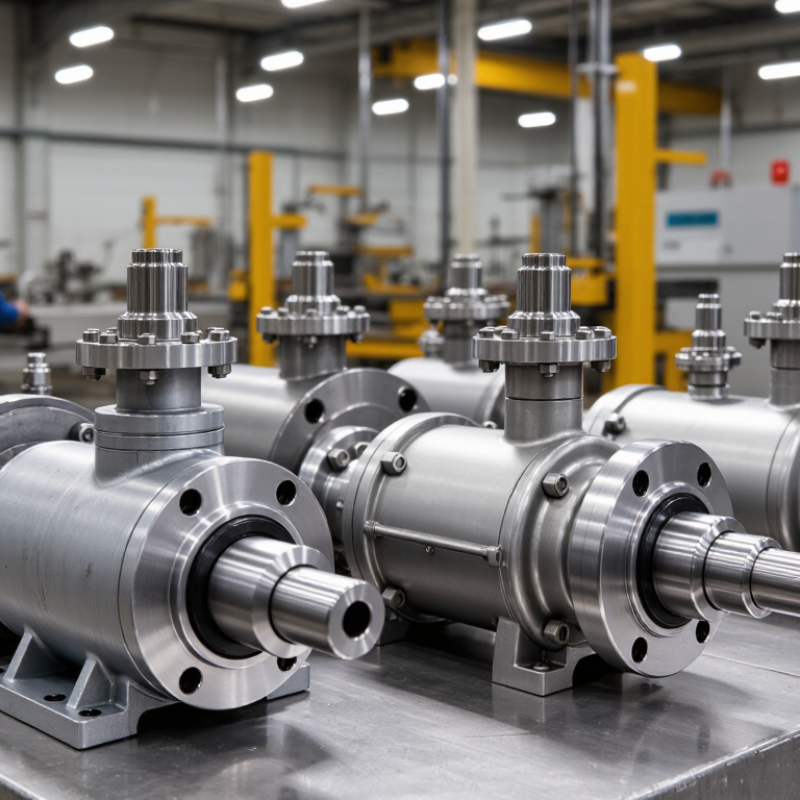
Definition and Role of High-Pressure Hydraulic Pumps
A high-pressure hydraulic pump converts mechanical energy into controlled fluid flow. Pressure develops when that flow meets resistance in a hydraulic circuit. The pump does not create pressure by itself. It supplies flow, while valves, actuators, and system loads determine working pressure. Pressure is only half the story. Flow stability matters just as much.
In industrial equipment, these pumps drive cylinders, motors, clamping units, lifting systems, and precision tools. A reliable pump must deliver steady flow under changing loads. It also needs suitable seals, accurate clearances, clean hydraulic oil, and effective heat control. Contamination can damage internal surfaces within hours. Cavitation may produce a sharp rattling sound and reduce service life. A properly set relief valve helps limit dangerous pressure spikes.
From practical maintenance experience, pump selection should begin with pressure, flow rate, duty cycle, oil viscosity, and installation conditions. Comparing manufacturers only by maximum pressure can lead to poor decisions. The stated rating may apply briefly, not continuously. That detail matters. Engineers should review test data, efficiency, noise levels, filtration requirements, and replacement support. I have seen systems fail because the pump was oversized for the application. More capacity was not better there. Engineers should also inspect suction lines and reservoir design, because small layout errors can undermine an otherwise capable pump.
China Top High Pressure Hydraulic Pump Manufacturers? Definition and Role of High-Pressure Hydraulic Pumps
High-pressure hydraulic pumps convert mechanical power into pressurized fluid flow for demanding applications such as industrial machinery, mobile equipment, injection molding, and hydraulic testing. The chart shows representative upper operating-pressure levels commonly associated with major pump types. Actual ratings vary according to design, configuration, fluid, speed, and operating conditions.
Key Types of Hydraulic Pumps Made in China
China Top High Pressure Hydraulic Pump Manufacturers?
Chinese hydraulic pump manufacturers produce several key pump types for mobile equipment, factory machinery, agricultural systems, and industrial presses. Gear pumps are compact, economical, and tolerant of demanding work conditions. They suit moderate pressure applications with simple flow requirements. Vane pumps operate more quietly and provide stable flow. They are useful in machines where noise control matters. Piston pumps support higher pressure and adjustable displacement. Axial piston models fit advanced systems requiring precise flow control. Radial piston pumps can deliver strong pressure at slower operating speeds.
Selection should match the machine’s pressure, flow rate, fluid viscosity, and duty cycle. Experienced engineers also check shaft alignment, mounting dimensions, inlet conditions, and filtration quality. A pump may show excellent test data but perform poorly with contaminated oil. That detail is often underestimated. Some specifications still need careful rechecking, especially stated noise levels and continuous-pressure ratings. Reliable manufacturers should provide test records, material information, inspection procedures, and technical support for installation.
Tips: Ask for a complete performance curve, not only a maximum-pressure figure. Confirm whether the rating is continuous or intermittent. Inspect the first delivered unit before full production. Check oil cleanliness regularly. Small errors become expensive failures. Keep spare seals and follow the recommended start-up procedure.
Leading Chinese Manufacturers and Their Product Strengths
China’s high-pressure hydraulic pump manufacturers are gaining attention through practical engineering, not only low pricing. The China Construction Machinery Industry Association recorded 195,018 excavator sales in 2023, including exports. This demand supports a large domestic testing base for piston and gear pumps. Many established factories now machine cylinder blocks with tighter tolerances, use hardened bearing surfaces, and test leakage under controlled pressure. Their common strengths include fast customization, short tooling cycles, and access to regional component suppliers.
Pressure figures need careful reading. A catalog may state 350 bar, while continuous operation remains lower. I would check both values. MarketsandMarkets’ hydraulic pumps research projects steady global growth through 2028, with mobile equipment and industrial automation among key demand areas. Chinese manufacturers respond with variable-displacement axial piston pumps, load-sensing controls, and compact cartridge designs. These features help excavators maintain smoother movement near a muddy trench or dusty construction road. However, quality still differs between factories. Seal life, cleanliness during assembly, and endurance testing can decide performance more than painted housings. Buyers should request test curves, noise readings, material certificates, and sample inspection records. One overlooked detail is filtration. A strong pump can fail early when oil contamination exceeds the system’s cleanliness target. This is where supplier experience becomes measurable, rather than claimed.
Quality Standards and Manufacturing Capabilities
China’s top high-pressure hydraulic pump manufacturers are judged by more than maximum pressure. MarketsandMarkets estimates the global hydraulic pump market could reach about USD 14 billion by 2028. This growth increases the need for repeatable quality, not impressive samples.
Reliable manufacturers normally operate under ISO 9001 quality systems and follow ISO 4413 hydraulic safety principles. They should also control oil cleanliness under ISO 4406.
A capable factory uses CNC machining, controlled heat treatment, and full component traceability. Each pump should receive pressure, leakage, flow, and endurance testing.
Test benches need calibrated sensors. Otherwise, the numbers may look precise but remain questionable.
In practice, volumetric efficiency above 90% is often expected for demanding applications, although results vary by pump design, speed, and fluid temperature.
Fortune Business Insights reported that the hydraulic pump market was valued at roughly USD 10 billion in 2023, showing why manufacturing discipline matters at scale.
Tips:
Ask for inspection records, calibration dates, material certificates, and pressure-test curves. Check whether the factory measures cleanliness during assembly.
Request sample data from several production batches, not one perfect unit. Also inspect the service process.
Spare parts, failure analysis, and response time reveal real capability.
No factory is flawless. Even strong suppliers may struggle with long-term field feedback, and buyers should review that weakness before signing a contract.
How to Select a Reliable Chinese Hydraulic Pump Manufacturer
China Top High Pressure Hydraulic Pump Manufacturers
How to Select a Reliable Chinese Hydraulic Pump Manufacturer
Choosing a reliable Chinese hydraulic pump manufacturer requires more than comparing online prices. In field sourcing, I have seen attractive quotations hide weak testing procedures. Request the factory’s pressure range, displacement tolerance, flow accuracy, and recommended oil temperature. These figures should match your machine’s actual working conditions.
Visit the production site when possible. Check machining areas, assembly benches, cleanliness, and final inspection records. A serious manufacturer should provide test reports for each pump batch. Ask to see pressure testing at operating and peak levels. Confirm whether serial numbers connect to material records, inspection data, and service history. Certifications matter, but verify their scope and current validity.
Communication reveals practical reliability. Send a detailed drawing and ask for a written technical response. The supplier should explain seal materials, shaft treatment, bearing quality, and expected service life. Request a sample before placing a large order. I once focused too heavily on delivery speed and overlooked unclear warranty terms. That mistake caused avoidable downtime. A better review checks spare parts availability, repair guidance, response times, and packaging for long-distance transport. Ask how the factory handles a failed pump, not only how it sells a new one.