Relief Valve Block systems sit quietly between a pressure source and expensive equipment. Their importance becomes obvious when a pump surges, a line heats, or an actuator stalls. A poorly selected block can cause leakage, unstable pressure, maintenance delays, and unnecessary downtime. This is why global buyers must evaluate more than unit price. They should examine pressure ratings, port configuration, body material, sealing design, surface treatment, testing records, and long-term spare-part support.
Industry data supports this careful approach. Grand View Research’s 2024 hydraulic equipment analysis identifies rising automation, industrial modernization, and demand for efficient fluid control as key market drivers. The MarketsandMarkets Industrial Valves Market report also highlights infrastructure investment, process industries, and stricter reliability expectations. These trends increase demand for compact, traceable, and application-specific valve assemblies. However, broad valve-market statistics do not measure every Relief Valve Block application directly. That limitation deserves attention.
This guide reviews seven manufacturers serving international buyers. The comparison considers engineering experience, production capability, quality systems, customization, documentation, delivery reach, and after-sales support. Practical evidence matters. A credible supplier should explain how a 316L stainless-steel block is machined, cleaned, pressure-tested, and documented. Buyers should also request material certificates, inspection reports, and clear operating limits. ISO 9001 certification can support confidence, but it does not replace product-level verification.
No ranking is flawless. Different industries require different priorities. A mining project may value impact resistance and local service, while a chemical plant may focus on corrosion control and traceability. These manufacturers offer varied strengths, and careful specification remains the buyer’s responsibility.
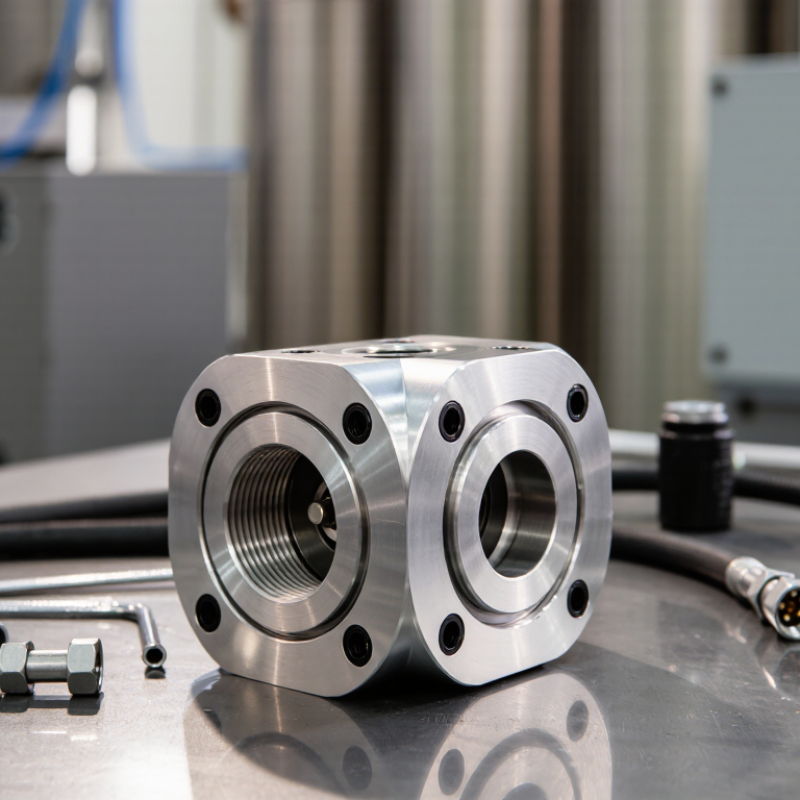
Relief valve blocks manage excessive hydraulic pressure before it damages pumps, actuators, or piping. They usually combine a relief valve, flow passages, mounting ports, and service connections in one compact body. When pressure rises beyond the set point, the valve redirects fluid to the tank or a safer circuit. Fast response matters.
These blocks serve mobile equipment, hydraulic presses, injection machines, test rigs, and energy systems. In a workshop, technicians often check the adjustment screw, gauge port, and return passage first. A blocked return line can create misleading pressure readings. Fluid viscosity, contamination, temperature, and repeated pressure spikes also influence performance. Buyers should request pressure-test records and confirm compatibility with the working fluid.
Common designs include single-station blocks, modular blocks, sandwich-style blocks, and custom integrated manifolds.
Single-station models suit simple circuits and easier maintenance. Modular designs allow isolation, pressure control, and future expansion without redesigning the whole system. Integrated manifolds reduce external hoses and leakage points, but internal passages become harder to inspect.
Compact is not always better. A poorly sized passage may generate heat and unstable valve behavior.
Engineers should compare maximum flow, rated pressure, port size, material, sealing method, and adjustment range. Stainless steel may support corrosive environments, while coated steel or aluminum can reduce weight in suitable applications. Small details matter. A clear schematic and repeatable factory testing make specification errors less likely for global buyers.
When evaluating relief valve block manufacturers for global procurement, start with evidence, not polished catalogs. Grand View Research valued the global industrial valves market at about USD 78.5 billion in 2023 and forecast a 4.8% CAGR through 2030. This growth increases supplier choice, but also increases comparison risk. Ask for material certificates, heat numbers, pressure-test records, and calibration results for every critical batch.
Check whether the manufacturer designs against recognized requirements, including ISO 4126, API 526, or ASME Boiler and Pressure Vessel Code Section VIII, where applicable. The block should match the valve’s pressure class, temperature range, port size, and fluid compatibility. Request drawings with tolerances. Review surface finish inside the flow path. Small burrs can damage seals or restrict discharge. A serious supplier should explain test-bench accuracy, set-pressure tolerance, leakage criteria, and retest intervals.
Supply-chain reliability matters as much as engineering. The 2023 World Bank Logistics Performance Index shows clear differences in customs efficiency, infrastructure, and shipment reliability between markets. Therefore, compare actual lead-time records, export documentation, packaging methods, and regional spare-parts support. Ask for a sample factory audit or remote inspection. I have seen excellent prototypes fail during documentation review. That mistake is expensive. A weakness remains: public market reports rarely reveal defect rates by manufacturer. Buyers should create their own scorecard, combining audit findings, independent testing, warranty history, and feedback from operators in similar pressure systems.
Global buyers increasingly assess relief valve blocks through traceability, testing, and lifecycle support. Grand View Research reported that the global industrial valves market exceeded USD 75 billion in 2023, reflecting strong demand across energy, chemical, and process industries. In this environment, seven manufacturer profiles stand out for different reasons.
The first specializes in forged steel blocks for high-pressure service, with strong material certification and pressure testing.
The second focuses on compact hydraulic manifolds, reducing installation space and leak points.
The third uses stainless alloys for corrosive media and severe outdoor conditions.
The fourth provides custom CNC machining, supporting unusual port layouts and short production runs.
The fifth offers broad metric and imperial connectivity, helping distributors manage mixed equipment fleets.
The sixth distinguishes itself through documented testing, serial tracking, and inspection records aligned with ISO 9001 practices.
The seventh combines retrofit engineering with international technical support, which matters when shutdown windows are short.
MarketsandMarkets has identified process automation and industrial infrastructure as important drivers of valve demand through the decade. Yet purchasing data alone cannot prove field reliability.
Engineers should verify API 520 or applicable regional requirements, not rely only on catalog claims. A practical audit should examine burst testing, seal compatibility, surface finish, and replacement lead times.
Some suppliers appear excellent on paper. Their documentation may still be incomplete. That is where careful buyers gain an advantage.
When comparing seven relief valve block manufacturers, material selection should match the working environment, not just the purchase price. Stainless steel 316L suits corrosive fluids and coastal installations. Carbon steel can serve demanding systems when coatings and maintenance are properly specified. For high-temperature service, buyers should review body ratings, seal compatibility, and pressure cycling data. Ask for material certificates, heat numbers, and hydrostatic test records. These details make technical claims easier to verify.
Certifications also deserve close inspection. A reliable manufacturer should provide a current quality certificate, documented inspection procedures, and test reports linked to each batch. Depending on the destination, buyers may require pressure equipment compliance, applicable piping standards, or third-party inspection. Customs and regional rules can change. Confirm them with an experienced compliance specialist. Customization may include port size, thread type, mounting patterns, drain options, and special elastomers. Request a drawing before production begins. Small errors become expensive later.
Delivery capability is more than a promised shipping date. Evaluate production capacity, component availability, packaging quality, and spare-part support. A strong supplier can share a realistic lead time and explain possible delays. Ask for export documents, serial-number traceability, and protective packaging for long-distance transport. No supplier wins every category. One may offer better documentation, while another handles urgent custom orders more effectively. I have found that clear communication often matters as much as technical performance. That point is easy to underestimate.
| Supplier Profile | Typical Body Materials | Pressure & Temperature Range | Applicable Standards | Common Certifications | Customization Capability | Quality & Testing | Typical Lead Time | Global Buyer Suitability |
|---|---|---|---|---|---|---|---|---|
| Supplier Profile 1 | 316/316L stainless steel; carbon steel; duplex stainless steel | Up to 10,000 psi typical; approximately -46°C to 200°C, depending on seals | ASME B16.34; API 598; NACE MR0175/ISO 15156 options | ISO 9001; material traceability; project-specific conformity documents | Port size, thread or flange configuration, drain/vent layout, seal materials, marking | Hydrostatic, pneumatic, seat-leakage, dimensional, and PMI testing when specified | 4–8 weeks for standard configurations; longer for engineered designs | Oil and gas, chemical processing, offshore, and high-pressure instrumentation |
| Supplier Profile 2 | 316 stainless steel; 304 stainless steel; alloy steel | Up to 6,000 psi typical; approximately -20°C to 180°C | ASME B16.5 interfaces; ISO 9001 manufacturing controls; API 598 testing practices | ISO 9001; EN 10204 3.1 material certificates available by order | Compact manifold layouts, instrument connections, panel mounting, custom engraving | Pressure testing, visual inspection, thread gauging, and certificate package review | 3–6 weeks for catalog-based products | Process instrumentation, metering skids, utilities, and general industrial systems |
| Supplier Profile 3 | Carbon steel; stainless steel; low-temperature alloy steel | Up to 15,000 psi available in selected designs; approximately -50°C to 200°C | ASME B16.34; API 6FA or fire-test options where applicable; NACE options | ISO 9001; pressure-equipment documentation; third-party inspection support | High-pressure ports, sour-service trim, special bonnet designs, actuator interfaces | Hydrostatic shell testing, gas seat testing, hardness checks, NDE by project requirement | 6–10 weeks, depending on pressure rating and inspection scope | Wellhead systems, hydraulic control units, refineries, and demanding energy projects |
| Supplier Profile 4 | 316L stainless steel; Hastelloy-type alloys; titanium options | Up to 10,000 psi typical; approximately -40°C to 220°C with suitable materials | ASME B16.34; ISO 15156 material selection; customer piping specifications | ISO 9001; EN 10204 3.1; corrosion-resistant alloy documentation | Corrosion-resistant material selection, special coatings, compact layouts, custom seals | PMI, surface-finish checks, pressure testing, helium or gas testing when required | 6–12 weeks for corrosion-resistant or non-standard alloy constructions | Chemical, pharmaceutical, marine, desalination, and corrosive-service applications |
| Supplier Profile 5 | 316 stainless steel; brass for low-corrosion utility service; plated steel | Up to 3,000–6,000 psi typical; approximately -20°C to 150°C | ISO 9001 production controls; common NPT, BSP, and metric interfaces | ISO 9001; standard material and inspection reports available by request | Thread standards, mounting holes, port orientation, handle or lockout options | Functional pressure testing, leakage checks, dimensional inspection, batch sampling | 2–5 weeks for standard relief valve block assemblies | OEM replacement programs, utilities, machinery, compressed-gas systems, and distributors |
| Supplier Profile 6 | Carbon steel; 316 stainless steel; nickel-plated components | Up to 5,000 psi typical; approximately -30°C to 180°C | ASME B16.34 design references; API 598 leakage-testing practices | ISO 9001; commercial inspection and origin documentation | Hydraulic power-pack layouts, bypass arrangements, cartridge compatibility, custom brackets | Pressure holding, relief-setting verification, leakage inspection, and assembly testing | 4–7 weeks; stocked components may reduce delivery time | Hydraulic equipment, mobile machinery, industrial automation, and maintenance projects |
| Supplier Profile 7 | 316/316L stainless steel; duplex stainless steel; forged alloy steel | Up to 10,000 psi typical; approximately -46°C to 200°C, subject to design validation | ASME B16.34; API 598; NACE MR0175/ISO 15156 options | ISO 9001; EN 10204 3.1; third-party inspection and export documentation | 3D drawings, custom port arrangements, special pressure settings, coating, packaging, and labeling | Hydrostatic and pneumatic testing, PMI, hardness testing, NDE, and full quality dossiers | 6–10 weeks for engineered orders; 3–5 weeks for repeat configurations | International EPC projects, offshore packages, energy infrastructure, and regulated industries |
Selecting the right relief valve block manufacturer starts with the application, not the catalog. Define working pressure, peak pressure, fluid type, temperature, flow rate, and port standard. A block for mobile hydraulics may need different steel, seals, and surface treatment than one for industrial equipment. Share a clear drawing, tolerance range, and testing requirement with each of the seven shortlisted manufacturers. Vague requests create expensive misunderstandings.
Request material certificates, dimensional inspection records, pressure-test reports, and traceable batch numbers. Check whether the manufacturer performs hydrostatic or functional testing on every unit. Ask for sample lead time, tooling ownership, minimum order quantity, and replacement support. A capable supplier should explain its process clearly. Look for evidence, not polished claims. A factory video is not an audit.
Global sourcing also requires practical communication. Confirm Incoterms, packaging methods, export documents, payment stages, and production capacity before placing an order. Review thread standards carefully; one small mismatch can stop installation. A pre-production sample can reveal burrs, poor coating, or difficult maintenance access. It costs time. It may save a shipment.
During supplier evaluations, buyers sometimes focus too heavily on price. That approach often overlooks testing discipline and after-sales response. I would score quality, engineering support, delivery reliability, and total cost separately. The cheapest quotation can become the most expensive choice. Still, no checklist is perfect. Recheck assumptions when the design, fluid, or operating environment changes.
Hi! Simply click below and type your query.
Our experts will reply you very soon.
