Choosing among the 10 best Punching Machine options in 2026 takes more than comparing price tags. Buyers need to match the machine to material, sheet size, hole patterns, production volume, and available floor space. A press that handles thin aluminum beautifully may struggle with thicker stainless steel. Details matter.
W. Edwards Deming, a manufacturing quality expert, wrote, “Quality comes not from inspection, but from improvement of the production process.” That principle applies to machine selection, too. Look beyond headline speed. Check repeatability, tooling availability, setup time, operator access, and service support. Ask for a demonstration using your own material and a representative job. Watch the punched edge. Listen for unusual vibration. Then review the cycle time.
There is no perfect machine for every workshop. Some buyers may value flexibility over raw output; others need reliable production across long shifts. The comparison ahead considers those trade-offs, including machine type, key features, and practical buying checks. Use it as a shortlist, not a substitute for technical verification. One thing is easy to miss: a machine can look ideal on paper and still need tooling or space your operation lacks. Check that early.
A punching machine creates holes or cutouts by driving a punch through sheet material into a matching die. The punch is attached to a moving ram, while the die supports the workpiece below. When the ram applies force, the tool shears the material along the punch’s edge. A small piece, called a slug, drops through the die opening.
The process sounds simple. Setup is not. Operators must match the punch and die to the material, thickness, and desired hole shape. Too little clearance can increase force and wear; too much may leave rough edges. Some machines use mechanical or hydraulic drives, while CNC models position sheets automatically for repeated patterns. Actual performance depends on tooling condition and setup, not just rated capacity.
Tips: Check the die opening and punch edges before a run. Keep the sheet flat and aligned against the stops. Test one piece first. A clean-looking hole does not always mean the setup is ideal; inspect its edges and watch for burrs. It is easy to overlook tool wear during a busy shift, so record maintenance checks and adjust the process when results change.
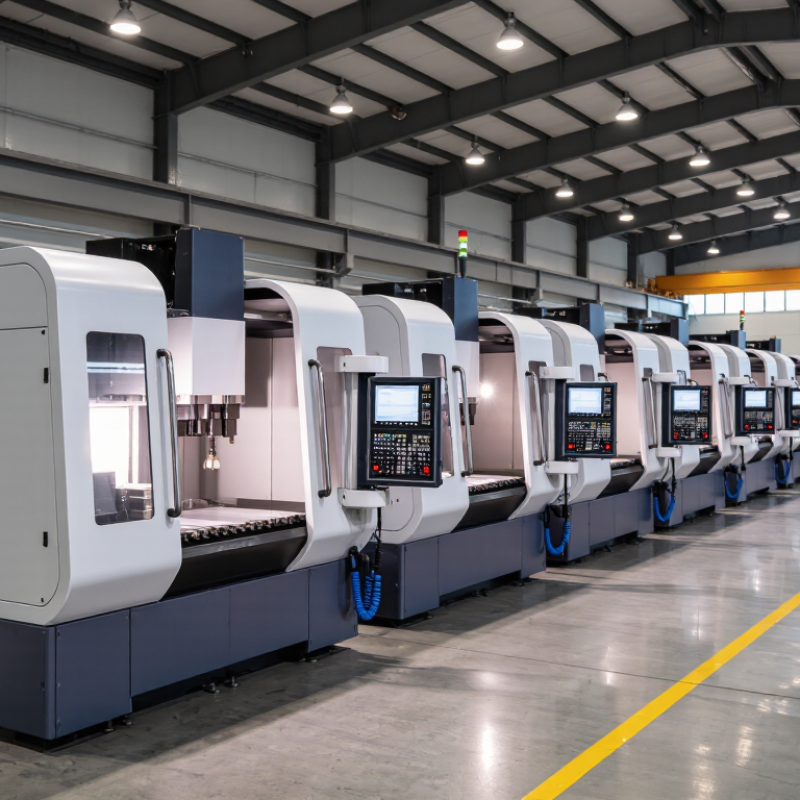
Industrial punching machines form holes and cut profiles in sheet metal, but each type suits different work. Mechanical punch presses use a flywheel and crank to deliver fast, repeatable strokes. They work well for high-volume jobs with consistent materials and tooling. Hydraulic punch presses offer adjustable force and stroke control. This can help when material thickness varies, though cycle speeds may be lower.
CNC turret punching machines index multiple tools, allowing operators to create varied hole patterns without changing tools by hand. They are useful for panels with repeated features, such as ventilation slots and mounting holes. Single-station CNC machines use one tool at a time, making them practical for smaller batches or parts requiring larger tooling. Laser-punch combinations add cutting flexibility, but their setup and maintenance can be more demanding. More capability is not always better.
Tips: Check sheet thickness, hole size, production volume, and tool-change time before comparing machines. Ask to see a sample part made from similar material. Listen for unusual vibration; it may reveal setup issues, not machine quality alone. A specification sheet helps, but it cannot predict every shop-floor problem.
When comparing the best punching machines in 2026, start with the materials and workload you actually handle. Check rated punching force against the thickest sheet you process, not just the machine’s maximum capacity. A machine that runs near its limit all day may wear faster. Review the working area, stroke rate, and positioning accuracy, too. Ask how accuracy was measured and under what conditions; figures can vary between setups.
Tooling affects both output and operating cost. Confirm which punch and die sizes are included, how quickly tools can be changed, and whether common replacements are available. Inspect the guarding, emergency stops, and control layout in person or through a detailed demonstration. Electrical requirements, installation space, maintenance access, and operator training deserve equal attention. A lower purchase price may not reflect the full cost of setup and downtime.
Tips: Request a sample test using your material and part drawing. Compare the finished edges, hole positions, and cycle time. Also ask for written details on warranty coverage, spare parts, and remote or local service. Some specifications look precise on paper, yet real production can expose small gaps. Allow time to verify them.
Comparing ten punching-machine types starts with the job, not the catalogue: mechanical C-frame, hydraulic, servo-electric, CNC turret, single-station CNC, portable, angle-and-plate, sheet-metal, high-tonnage, and punch-shear machines. Each suits different materials, hole patterns, volumes, and floor layouts. A turret model handles varied patterns efficiently; a portable unit may fit occasional work on large plates. Check thickness limits, tool-change time, repeatability, and required guarding. Small differences matter.
Deloitte’s 2024 Smart Manufacturing Survey found that 86% of surveyed manufacturing executives viewed smart manufacturing as a competitiveness driver over the next five years. This broad survey is not a punching-machine performance test, but it supports comparing controls, production data, and maintenance access alongside tonnage. A servo-electric machine may offer precise control, while hydraulic equipment can suit demanding loads. Actual energy use depends on duty cycle and setup.
For a fair comparison, request cycle-time data for your own hole pattern and material, not just maximum strokes per minute. Inspect sample cuts for burrs, distortion, and edge quality. Ask how tooling is sourced and how quickly service parts can arrive at your location. Then check voltage, air supply, footprint, and operator training needs. The best fit can be less impressive on paper. I would still leave room for uncertainty: supplier test conditions rarely match a buyer’s shop exactly.
Choosing a punching machine starts with the parts, not the catalog. List the material, thickness, sheet size, hole diameters, and daily volume you actually expect. A shop making 1.5-millimeter steel brackets in short runs needs a different setup from a plant processing thick plate across long shifts. Leave room for future work, but do not pay for capacity that will sit idle. Measure twice.
Then match the machine to regional conditions. Confirm voltage, frequency, phase, air supply, floor space, and lifting access before comparing options. A machine may fit on paper but not through the workshop door. Its power connection may also need changes. Check local electrical and machine-safety requirements with a qualified integrator; rules and inspection practices vary by destination. Ask how tooling, spare parts, training, and technical support will reach your site, and how quickly.
Production details matter, too. Compare cycle time against your actual mix of holes and material changes, not just the fastest listed stroke rate. If possible, test sample parts, including the smallest hole and thickest sheet you expect to process. Include setup and maintenance time in your cost estimate. Forecasts can be optimistic, and one unexpected job may change the best configuration. A simpler machine may fit better. Or not. Record your assumptions, then review them after several months of production.
Check the local electricity supply when matching a punching machine to your market. The chart shows typical grid frequency; Japan’s bar spans both regional standards.
Frequency is only one specification to verify. Confirm the machine’s voltage, phase, motor configuration, and site supply with your supplier before ordering.
Hi! Simply click below and type your query.
Our experts will reply you very soon.
