What Is the Best Portable Power Station in China?
Choosing the best Portable Power Station in China requires more than comparing battery capacity and retail prices. China has many capable manufacturers, but product quality varies between models, factories, and sales channels. A practical review should examine battery chemistry, inverter performance, charging speed, weight, noise, and long-term reliability. These details matter when the unit powers a refrigerator during an outage or charges cameras beside a remote campsite.
Real-world testing reveals problems that specifications may hide. A power station can appear impressive on paper and still feel awkward beside a tent. Some models lose output efficiency under heavy loads. Others become noticeably loud when cooling fans activate. Testing should include smartphones, laptops, lights, small refrigerators, and heating equipment. Safety protections also deserve careful attention, including overcharge, overheating, short-circuit, and low-temperature protection. Verified certifications, clear manuals, and responsive after-sales support add important confidence.
No single model wins every test. A compact unit may suit apartment residents, while a larger battery better serves workshops or emergency preparation. I would compare several Chinese brands under similar conditions instead of trusting promotional claims alone. Measurements should be recorded, but user experience matters too. My own preference may change after longer testing. That is worth admitting. The final choice should match your power needs, budget, storage space, and willingness to carry extra weight. This guide will assess leading options carefully, using practical evidence and transparent criteria rather than exaggerated promises.
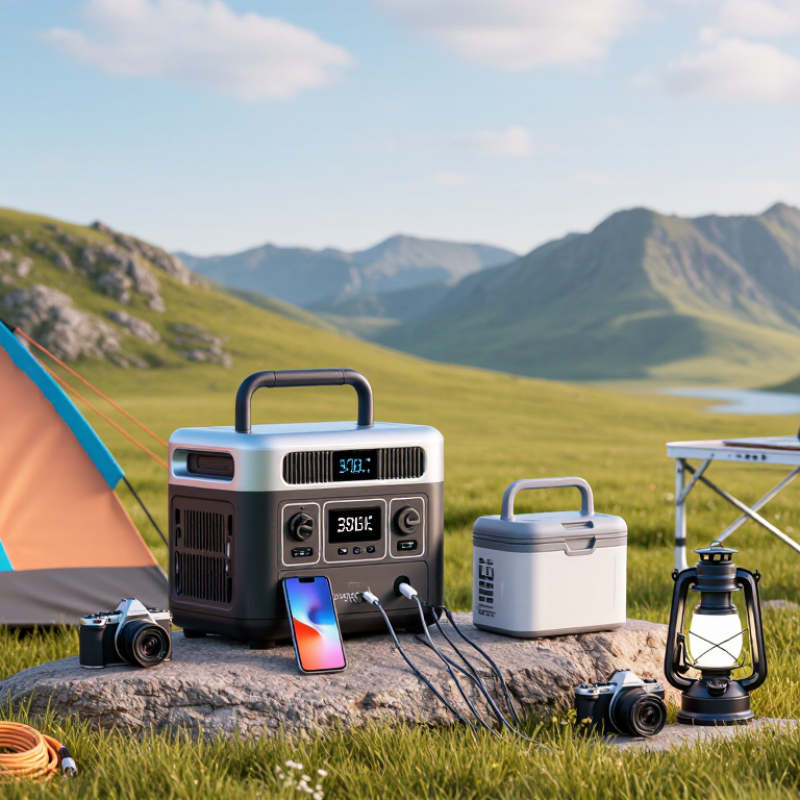
Portable Power Station Basics: Wh Capacity, W Output, and LiFePO₄ Chemistry
What Is the Best Portable Power Station in China?
Choosing the best portable power station starts with Wh, not appearance. Wh measures stored energy, while W measures delivery speed. A 500Wh unit may run a 50W lamp for nearly ten hours in theory. Real use is shorter because the inverter consumes energy. I usually allow 15–20% for conversion losses. My early mistake was trusting the printed capacity too literally.
Output ratings need closer attention. Continuous output shows what the station can sustain safely. Surge output covers the brief starting demand from devices with motors or compressors. A small refrigerator may need modest running power but much more during startup. Check both figures before connecting equipment. Also examine the number and type of ports. USB-C, AC, and 12V outputs serve different loads.
LiFePO₄ chemistry is widely valued for portable power stations because it offers strong thermal stability and a long service life. It is also heavier than some alternatives. That trade-off matters when carrying the unit upstairs or into a vehicle. Battery life depends on temperature, charging habits, and depth of discharge, not chemistry alone. Keep ventilation clear, avoid extreme heat, and follow the charging instructions. In practical testing, the quietest model was not always the most efficient. That detail is easy to overlook.
A sensible choice matches measured output, usable Wh, weight, recharge time, and the devices you actually operate.
How to Compare Safety: UN38.3, IEC 62133-2, BMS, and Thermal Protection
When comparing a portable power station made in China, safety documents matter more than glossy capacity claims. I check the exact model number, battery chemistry, and test report details. UN38.3 is essential for lithium batteries during transport. It covers tests involving altitude, temperature changes, vibration, shock, and external short circuits. It does not prove complete product safety.
IEC 62133-2 examines rechargeable cells and battery packs under defined safety conditions. Look for reports from a competent laboratory, not only a printed certificate. The report should match the shipment, cell type, and battery configuration. A small mismatch can create doubt. I once treated a certificate as final evidence. That was too simple.
The BMS should monitor voltage, current, and temperature continuously. It should stop charging during overvoltage or overheating. It should also prevent deep discharge and dangerous current spikes. Thermal protection adds another layer. Sensors near the cells can trigger shutdown when heat rises unexpectedly. Some designs use spacing, insulation, and flame-resistant materials around the battery pack. Ask how the unit behaves during blocked ventilation or heavy loads. A cooling fan may sound reassuring, but dust buildup can reduce its value. Check inspection records, traceable serial numbers, and clear fault indicators. Real reliability appears in small details.
Choosing the Best Chinese Model by Use Case, Portability, Warranty, and Price per Wh
What Is the Best Portable Power Station in China?
The best Chinese portable power station depends on your actual routine. For camping, choose a compact model with a comfortable handle and a stable inverter. For apartment backup, capacity matters more than low weight. I usually compare usable watt-hours, not the advertised battery size. A 1,000Wh unit may deliver less after conversion losses. That difference becomes obvious when running a refrigerator overnight. My first comparison missed this detail.
Tips: Divide the purchase price by usable watt-hours. Then check the result against warranty length, charging speed, and output limits. Cheap capacity is not always good value. Keep the calculation simple.
Portability also changes with accessories. A heavy cable bag can make a small unit inconvenient. Check the power station’s measured weight, recharge time, fan noise, and screen readability. Warranty terms deserve careful attention, especially for online purchases from China. Confirm coverage period, repair arrangements, shipping responsibility, and battery replacement conditions. Local compliance markings should also be verified before purchase. Some specifications look impressive, but practical testing can reveal weaker performance. Read independent measurements when available. Still, no review perfectly matches your climate, load, or charging habits. A balanced choice offers enough capacity, reasonable price per Wh, manageable weight, and support you can actually use.
What Is the Best Portable Power Station in China?
Choosing the best Chinese model depends on the use case, required capacity, inverter output, portability, warranty coverage, and delivered price per watt-hour.
These are practical planning benchmarks rather than brand-specific test results. Recommended battery capacity assumes approximately 85% usable energy after conversion losses. Refrigerator and other motor-driven loads may require substantially higher startup power than their average running load. Before purchasing, compare the seller's written warranty, local repair process, battery chemistry, recharge time, and total delivered price per Wh.

