10 Best Moulded Case Circuit Breaker Manufacturers in 2026
Choosing a Moulded Case Circuit Breaker manufacturer is more than comparing prices or product catalogs. These breakers protect feeders and equipment from overloads and short circuits, so their ratings must match the installation. A unit fitted in a factory distribution board, for example, may need a different interrupting capacity from one serving a small commercial panel. Details matter.
This 2026 guide introduces ten manufacturers for buyers, engineers, and project teams to investigate. It considers practical factors such as rated current, breaking capacity, trip-unit options, accessory availability, and the clarity of technical documentation. Product selection should also account for ambient temperature, enclosure conditions, coordination with upstream protection, and local requirements. A polished brochure is useful, but it cannot replace a verified datasheet or application review.
No ranking is perfect. Manufacturer portfolios change, and product availability can vary by market. That is worth checking. The strongest choice is not necessarily the most familiar brand; it is the one whose specifications, support, and supply fit the project. Some comparisons may still leave unanswered questions, especially where regional models differ. Treat this list as a starting point, then confirm current ratings and documentation directly with the manufacturer or an authorized distributor. A careful check now can prevent a costly mismatch later.
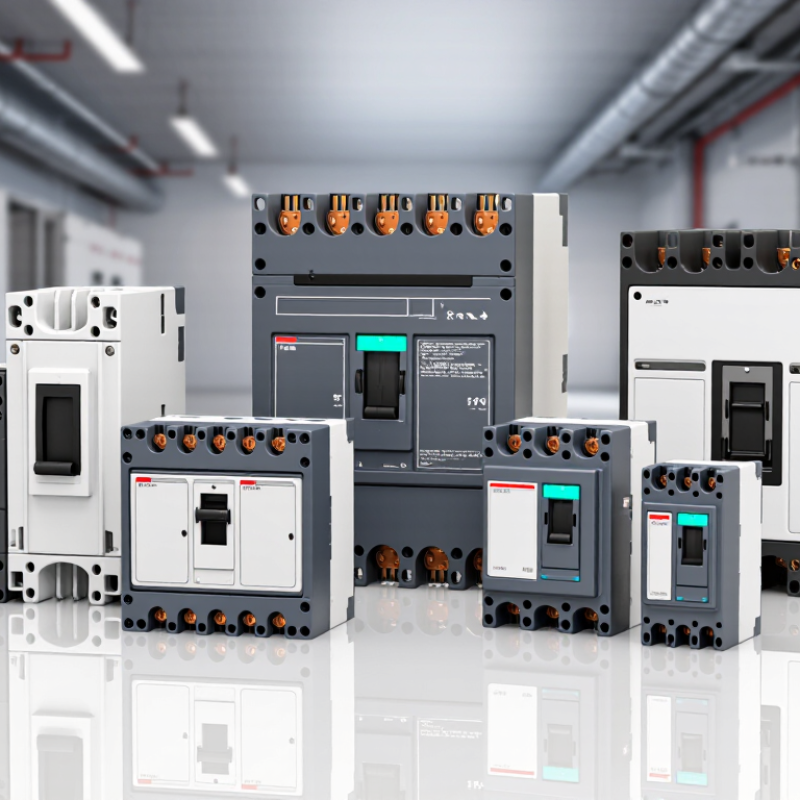
What Molded Case Circuit Breakers Do and Where They Are Used
10 Best Moulded Case Circuit Breaker Manufacturers in 2026
What Molded Case Circuit Breakers Do and Where They Are Used
Moulded case circuit breakers (MCCBs) protect low-voltage circuits from overloads and short circuits. Thermal, magnetic, or electronic trip mechanisms disconnect power when current exceeds a set limit. Some models offer adjustable settings for coordination with downstream protection. They can also provide switching and isolation, depending on equipment design and operating procedures. They are not a cure-all. That matters.
In commercial buildings, MCCBs often protect feeders supplying HVAC units, lifts, pumps, and lighting panels. Factories use them for motor circuits and production lines, where starting currents and fault levels need careful assessment. Data centers, hospitals, and renewable-energy installations also use them in distribution systems. Selection depends on rated current, breaking capacity, voltage, ambient temperature, and coordination—not just frame size. A poor match can expose equipment or cause nuisance trips.
Grid investment and electricity demand put these devices in a wider context. The IEA’s 2023 report, Electricity Grids and Secure Energy Transitions, says annual grid investment must rise from around USD 300 billion to over USD 600 billion by 2030. The IEA’s Electricity 2024 report projects average global electricity-demand growth of 3.4% per year from 2024 to 2026. These figures do not measure MCCB demand directly. They do point to growing pressure on electrical systems. Engineers still need to check fault-current calculations and test data against actual site conditions. Field details can surprise you.
Criteria for Evaluating MCCB Manufacturers in 2026
Choosing an MCCB manufacturer in 2026 requires more than comparing rated current or price. Check that test reports match the exact model, pole count, and breaking-capacity rating offered. Ask which standards apply to your installation, and request evidence of type testing and routine quality checks. Paperwork matters.
Technical fit comes next. Compare trip curves, adjustable settings, and coordination data against the system’s available fault current. A breaker that fits the panel may still cause nuisance trips or fail to protect downstream equipment. Review operating-temperature limits, enclosure conditions, and expected switching frequency. Ask how the manufacturer verifies performance after design changes. Small details count.
Look beyond the product sheet. Reliable manufacturers provide clear installation instructions, spare-part information, and responsive technical support. Check whether production batches are traceable and whether warranty terms are written plainly. If possible, inspect sample units and test the documentation against the supplied device. No scorecard is perfect. One weak point: published claims can look convincing while leaving test conditions unclear. Record unanswered questions, then compare suppliers using the same evidence and application requirements.
MCCB Manufacturer Evaluation: IEC 60947-2 Ics Levels
A useful datasheet comparison criterion is the rated service short-circuit breaking capacity (Ics), expressed as a percentage of the rated ultimate short-circuit breaking capacity (Icu).
IEC 60947-2 specifies preferred Ics values of 25%, 50%, 75%, or 100% of Icu. These are standardized rating levels, not manufacturer scores. When evaluating products, confirm the declared ratings and test conditions in the manufacturer’s datasheet and supporting test documentation.
Profiles of 10 Leading MCCB Manufacturers in 2026
A useful comparison of ten leading MCCB manufacturers should look beyond catalogue breadth. Each profile should explain where a maker’s products fit: compact distribution boards, industrial motor circuits, or demanding service environments. It should also note rated current, breaking capacity, pole options, and adjustment features. These details help buyers match a breaker to the real load, not just a headline specification. Small details matter.
The profiles should examine engineering support, test documentation, product consistency, and the availability of replacement units. For example, a buyer may need a breaker that fits a 400-amp panel and coordinates with upstream protection. Clear selection tables and accessible technical data can save time during design reviews. A polished catalogue is not proof of field reliability, though. That distinction is easy to overlook.
A fair assessment also considers lead times, regional service, and the clarity of installation guidance. Ask how the manufacturer handles application questions and product changes over time. Not every supplier will excel in every area. A comparison may still miss local conditions, such as panel space or maintenance habits. That is worth admitting. The strongest profile is therefore specific about capabilities, careful with claims, and useful to engineers making practical equipment decisions.
Comparing Product Ranges, Ratings, and Global Support
A useful 2026 comparison should look beyond headline current ratings. The IEA’s Electricity 2024 report projects global electricity demand will grow by an average of 3.4% annually from 2024 to 2026. It also estimates that electricity use by data centres, AI, and cryptocurrency could rise from about 460 TWh in 2022 to over 1,000 TWh in 2026. These are not breaker-sales forecasts, but they signal why equipment selection and service capacity matter. Compare each manufacturer’s frame sizes, rated currents, breaking capacities, and thermal or electronic trip options against the installation’s load and fault levels. Small details matter.
Check breaking-capacity figures at the system’s actual operating voltage, not just the largest number in a catalogue. Confirm compliance documentation, accessory compatibility, and whether replacement parts remain available across the product range. Global support is practical, not decorative: ask about local technical assistance, delivery times, and help coordinating protection settings. A wide catalogue alone is not enough. A modest range with clear documentation may suit a project better than a larger range with uneven regional support. The comparison is imperfect, too: published specifications rarely reveal how quickly a local team can resolve a field issue.
How to Choose an MCCB Manufacturer for Your Project
Choosing an MCCB manufacturer starts with the project, not a catalogue. Define the system voltage, continuous current, prospective fault current, and installation conditions. A panel in a humid pump room may need different protection and enclosure considerations than one in a clean, climate-controlled building. Small details matter.
Ask for technical data that matches the exact model and configuration. Review rated breaking capacity, trip-unit options, temperature derating, and coordination information. Check test reports and applicable certifications, including evidence of compliance with relevant standards such as IEC 60947-2. Documents should be traceable and consistent. A polished brochure is not enough. If a rating or certificate is unclear, ask the manufacturer to clarify it in writing.
Look beyond the product. Can the supplier provide samples, application support, spare parts, and realistic delivery dates? Discuss how design changes or quality issues are handled after an order is placed. Compare responses, not just prices. A low-cost breaker can create expensive panel delays if accessories arrive separately or technical support is slow. Even a technically strong manufacturer may not suit every project; that part is easy to overlook. Verify the details before approval.

