What Is the Best Electric Stacker Lift in 2026?

Choosing the best Electric Stacker Lift in 2026 means matching the machine to the work, not chasing a feature list. A compact unit may look ideal in a narrow aisle, but turning space and load stability matter just as much. Picture a loaded pallet moving across a slightly uneven warehouse floor. That is where confident steering, clear visibility, and predictable braking become practical requirements.

Start with the details your team can measure: load weight, lift height, pallet dimensions, aisle width, and daily operating hours. Compare rated capacity at the actual lift height, not only the headline figure. Check whether the tiller feels manageable, the forks fit your pallets, and the battery can cover a full shift. Small mismatches add up. They can slow picking, complicate charging, or make routine moves feel awkward. Real warehouse experience also deserves a place beside specification sheets; operators often notice problems that a showroom demo misses.

Trustworthy equipment advice needs attributable expertise. No verifiable quotation or expert name was provided with this request, so I will not invent a statement and assign it to a real person. A sourced specialist’s view would strengthen this guide. Until then, judge each Electric Stacker Lift against documented specifications, service support, and a hands-on trial with representative loads. Some uncertainty remains. That is worth admitting: the best choice depends on your floor, workflow, and maintenance capacity—not a universal ranking.
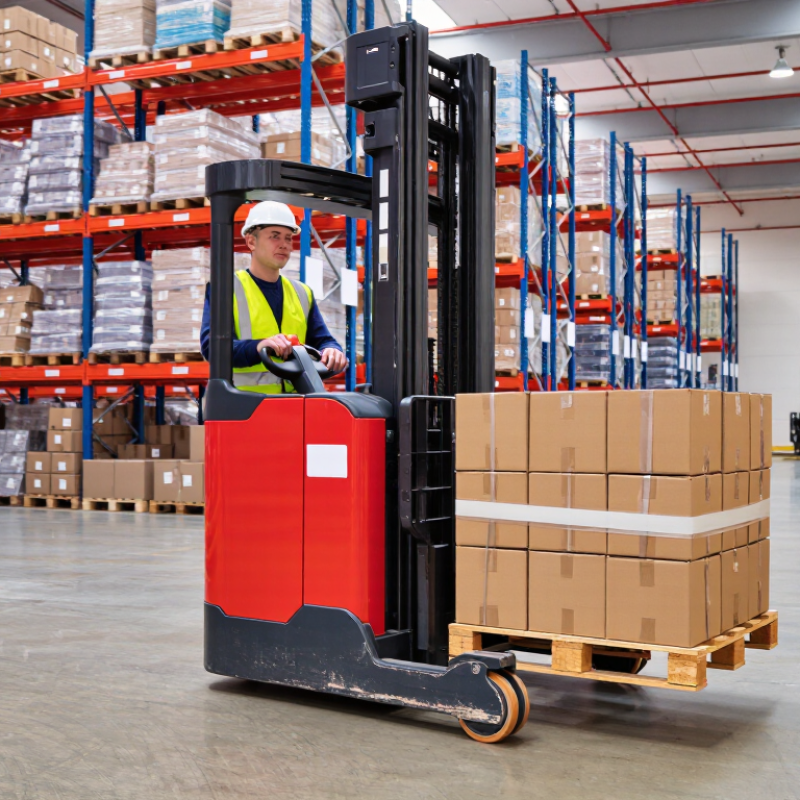
What Is the Best Electric Stacker Lift in 2026?

What an Electric Stacker Lift Is

An electric stacker lift is a compact, powered machine that raises and moves palletized loads. Its forks slide beneath a pallet, while an electric motor lifts the load and propels the unit. A mast guides the forks upward. The operator may walk behind the machine or ride on a small platform, depending on the model. Simple in concept. Not risk-free.

Stackers are often used in stockrooms, small warehouses, and narrow aisles where a counterbalanced forklift may be too large. Typical tasks include replenishing low-level shelving and moving pallets between receiving areas and storage. Capacity, lift height, aisle width, floor condition, and turning space all affect suitability. Check the load’s weight and center of gravity; a tall, uneven pallet can become unstable during a turn.

Safety deserves equal attention. OSHA’s powered-industrial-truck materials cite estimated annual U.S. totals of about 85 fatalities and 34,900 serious injuries involving these trucks. Those figures cover a broad equipment category, not electric stackers alone, so they should not be treated as stacker-specific risk rates. Operators should receive equipment-specific training, keep loads low while traveling, and inspect forks, wheels, brakes, and the battery before use. In practice, a stacker that fits the aisle but cannot safely reach the required rack level is the wrong choice.

How Electric Stacker Lifts Operate

What Is the Best Electric Stacker Lift in 2026?

How Electric Stacker Lifts Operate

An electric stacker uses battery power to move and raise a load. The operator guides it with a tiller or handlebar and uses controls for travel and lifting. A traction motor turns the wheels, while an electric pump drives the hydraulic system that raises the forks. Simple in principle.

The operator slides the forks beneath a pallet, checks that the load sits evenly, then raises it using the lift control. A mast guides the forks upward. To lower them, the operator releases the control gradually, letting the hydraulic system bring the load down. Controls and lowering speeds vary by model, so the manual matters.

Many stackers travel best on smooth, level floors. Their compact frames can help in narrow aisles, but tight turns still need care. A tall load can shift or block the operator’s view. That detail is easy to underestimate. Keep the load low while moving, watch the surrounding space, and avoid raising it until the stacker is positioned. Battery charge, floor conditions, and load weight all affect performance. Real warehouses are rarely perfectly clear, so a slow approach often beats a quick correction.

Types of Electric Stackers and Their Uses

What Is the Best Electric Stacker Lift in 2026?

Types of Electric Stackers and Their Uses

Electric stackers move and raise palletized loads without requiring a forklift for every short trip. The right type depends on load weight, lift height, aisle width, and how often the equipment runs. Walk-behind models suit small stockrooms and short travel distances. An operator guides the machine from the floor, which can make tight turns easier.

Simple, practical.

Straddle stackers have legs that pass around a pallet, helping support loads during lifting. They work well with open-bottom pallets, but their legs may not fit every rack or pallet design.

Counterbalance stackers avoid those front legs, so they can handle closed-bottom pallets and approach racks more directly. Their added counterweight affects turning space, so measure aisles before choosing.

For longer routes, a ride-on or platform stacker can reduce walking and operator fatigue. These models are useful in larger warehouses where loads move between storage and dispatch areas. Still, a faster trip does not solve poor traffic flow. Check the rated capacity at the intended lift height, not just the machine’s headline capacity. Also consider battery runtime, floor condition, and service access. Specifications can look reassuring on paper, yet everyday fit is sometimes less obvious. A short on-site trial can reveal awkward controls or blocked sightlines before the equipment becomes part of daily work.

How to Compare Electric Stackers in 2026

Choosing the best electric stacker in 2026 means comparing machines against the work, not just headline capacity. Start with the heaviest load and its load center. Check required lift height, mast clearance, aisle width, and turning space. A unit that fits on paper may feel cramped beside a rack upright. Numbers help.

Battery choice should match actual shift patterns. Compare usable runtime, charging time, and whether the battery can be charged between tasks. Also inspect visibility through the mast, control placement, and how smoothly the stacker starts and stops. These details matter when placing a pallet at shoulder height or moving across a floor seam. A short, supervised trial with your own pallet reveals more than a brochure sometimes can.

For a fair comparison, ask suppliers for rated capacity at the lift height you need, not only the maximum figure. Review service access, parts availability, warranty terms, and operator training. Check turning and braking in the tightest area of your facility. I would not pretend one spreadsheet settles every choice; floor condition and workload can change the result. Record the same measurements for each candidate, then compare them against your daily tasks and budget.

Choosing the Right Stacker for Your Facility

Choosing the right electric stacker begins with the work it must do, not a headline capacity figure. Measure your heaviest typical load, then check its dimensions and center of gravity. A compact machine may handle pallets well but feel awkward with long or uneven loads. Measure the tightest aisle, too. Doorways, floor joints, and crowded staging areas can change what works.

Lift height matters, but so does the height of your lowest shelf. Compare the stacker’s rated capacity at the lift height you actually need; capacity can decrease as the mast rises. Check overhead clearance near lights and sprinklers. If operators move between smooth warehouse floors and rough thresholds, test the route before deciding. Small wheels can make those transitions surprisingly tiring.

Battery choice should match the shift pattern and charging routine. A shared machine used in short bursts may need different charging access than one working continuously. Ask operators to try the controls, visibility, and turning radius with a real pallet. It may seem less important than specifications. It isn’t.

Also consider service access, parts availability, and the space required for charging. No checklist captures every awkward corner, and our first aisle measurements can be wrong. Leave room to reassess after a practical trial.


Close

Raise your Query

Hi! Simply click below and type your query.

Our experts will reply you very soon.

WhatsApp Us
