Choosing the Best Electric Crucible Melting Furnace in 2026 means matching capacity, metal type, and operating conditions—not chasing a single “best” model. A furnace that handles a steady aluminum batch may be a poor fit for frequent alloy changes or small, high-purity melts. Details matter.
The U.S. Department of Energy’s 2022 Industrial Decarbonization Roadmap reports that industry produced about 30% of U.S. energy-related carbon dioxide emissions in 2020. The International Energy Agency’s Energy Technology Perspectives 2023 also examines electrification as part of industrial decarbonization. These reports provide useful context, but they do not establish furnace-level energy savings. Actual consumption depends on insulation, crucible condition, charge size, and operating practice.
Casting expert John Campbell states, “The quality of a casting is determined by the quality of the melt.” His principle points to practical buying criteria: temperature control, even heating, safe pouring access, and clear service support. A tidy specification sheet cannot reveal every weakness. Ask suppliers for test conditions behind their capacity and energy claims, then compare them with your own batch records. That extra check can feel tedious. It may also prevent an expensive mismatch. In 2026, the right Electric Crucible Melting Furnace should suit the metal and workflow you actually run, not an idealized production line. No model is perfect; maintenance access and operator habits still shape results.
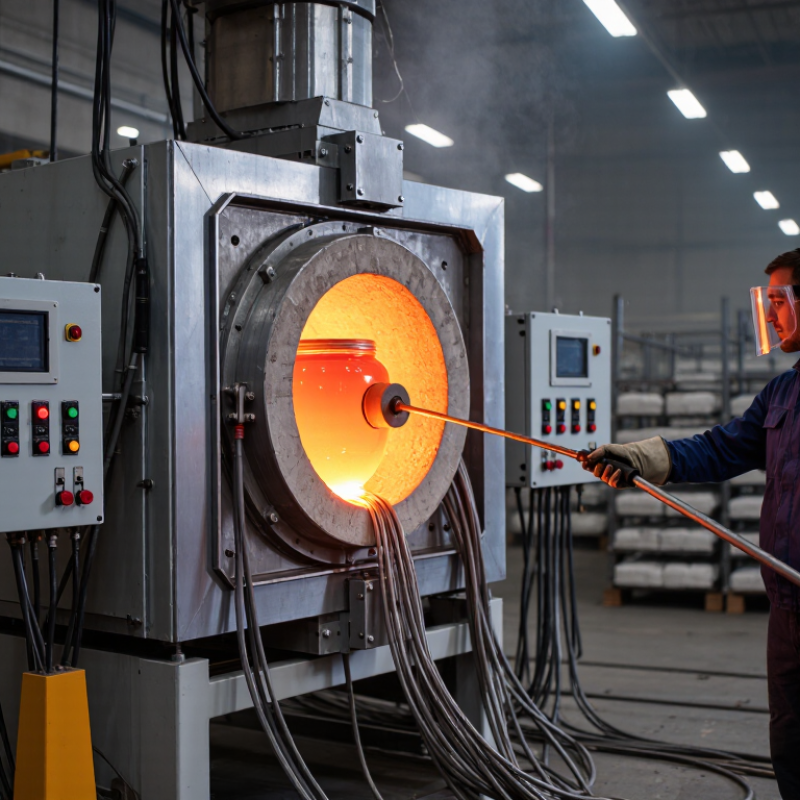
An electric crucible melting furnace uses electrical power to melt metal inside a heat-resistant vessel called a crucible. The operator loads solid metal into the vessel, sets the temperature, and monitors the melt as it heats. Resistance models heat the crucible from outside; induction models generate heat within the metal using an electromagnetic field. The distinction matters. Furnace capacity, metal type, operating temperature, and crucible material all affect suitability.
The International Energy Agency’s Energy Efficiency 2023 report notes that industry accounted for about 37% of global energy use in 2022. That figure describes the whole industrial sector, not crucible furnaces specifically. It nevertheless highlights why buyers should compare energy use under realistic operating conditions. Ask for tested data at your intended batch size, and check whether the stated figures include warm-up and holding time. A small detail can change the comparison.
Tips: Confirm that the crucible suits your alloy and temperature range. Check insulation, temperature controls, and safe handling arrangements before purchase. Record actual melt times and power use during trials. Real results can differ from catalogue figures, and that deserves a second look.
Best Electric Crucible Melting Furnace in 2026
How an Electric Crucible Furnace Melts Metal
An electric crucible furnace melts metal by heating a refractory vessel with electrical energy. In resistance-heated models, current warms elements around the crucible. Heat then passes through its walls and into the metal. The charge melts gradually, from the outside inward. Watch the melt. A damp or crowded charge can slow heating and create avoidable risks.
Temperature settings depend on the metal and alloy. Aluminum melts near 660°C, while pure copper melts near 1,085°C. These figures are reference points, not operating instructions; alloy composition changes the required process. The International Energy Agency’s Energy Efficiency 2023 report says industry accounted for about 37% of global final energy use in 2022. That context makes insulation, lid fit, and unnecessary holding time worth checking. Small losses add up.
For a suitable furnace in 2026, match rated capacity to the batch you actually pour. A nominal 5 kg unit may not deliver 5 kg of usable liquid metal each cycle. Check crucible compatibility, temperature control, element access, and clear operating guidance. The U.S. Department of Energy’s 2015 iron-and-steel bandwidth study examines energy use and savings opportunities across industrial processes; it is useful context, not a crucible-specific performance benchmark. In practice, stable temperature control matters, but operator habits matter too. That is easy to overlook.
Electric resistance heats the crucible, transferring heat to the metal until it melts. The chart shows the melting points of selected pure metals at standard atmospheric pressure; real alloys melt over a temperature range, and furnace operating temperatures depend on the material and process.
Best Electric Crucible Melting Furnace in 2026
Resistance furnaces suit small or moderate batches that need steady, straightforward heating. They are often practical for aluminum, zinc, and other nonferrous alloys when melt volumes are predictable. Heat-up can be slower, so frequent back-to-back pours may strain a small unit. Check the crucible material against the alloy and operating atmosphere; graphite, silicon carbide, and ceramic options do not behave identically. Small details matter.
Induction furnaces can suit conductive metals and workloads that demand quicker melting or repeated batches. Their electromagnetic heating stirs the melt, which can support more even temperatures, though the result depends on charge size and setup. Copper alloys may benefit from the faster cycle, but a suitable crucible and stable power supply are essential. Faster is not always better. For occasional pours, the extra capacity may go unused.
Match the furnace to the actual schedule, not the largest batch you might someday run. Record charge weight, target temperature, daily melt count, and time spent holding metal. A workshop melting a few kilograms at a time has different needs from a production line pouring throughout a shift. I would also leave room for uncertainty: alloy changes, loading habits, and worn crucibles can shift real performance. A careful trial with the intended material is more informative than a specification sheet alone.
Choosing the best electric crucible furnace in 2026 starts with the metal and batch size you actually melt. Match the furnace’s working capacity to your usual charge, not just its maximum rating. An oversized unit may take longer to heat small batches and use more energy. This is easy to underestimate. Check the required melting temperature, but leave a practical margin for heat loss and repeated use.
Look beyond temperature claims. Ask how the furnace measures and controls heat, and whether the sensor can be replaced. A steady digital reading is useful, but it does not guarantee an even melt. Check the crucible’s material, dimensions, and replacement cost. Confirm that the chamber accepts the crucible you plan to use. Small details matter. Review the power supply, installation requirements, insulation, and expected duty cycle before comparing prices.
The work area matters, too. Allow space for safe loading, handling hot crucibles, and removing fumes where the process requires it. Check for accessible emergency shutoff controls and clear operating instructions. Request documentation for temperature limits, maintenance intervals, and spare-part availability. A specification sheet can still leave questions unanswered. If the supplier cannot explain how the furnace performs with your intended metal and batch size, keep comparing. A slightly slower, well-supported furnace may suit a small workshop better than a larger model with features you will rarely use.
| Typical Melt Capacity | Indicative Electrical Input | Common Melting Applications | Typical Furnace Temperature Range | Crucible Considerations | Best Suited For | Key Checks Before Buying |
|---|---|---|---|---|---|---|
| 1–3 kg | About 1–3 kW | Small batches of aluminum, zinc, or other lower-melting-point metals | Often around 750–1,000°C, depending on the furnace design | Confirm the crucible material is compatible with the metal, flux, and operating temperature. | Jewelry work, small workshops, and testing | Check available power supply, temperature control, lid design, and whether the stated capacity refers to aluminum or another metal. |
| 5–10 kg | About 3–8 kW | Aluminum and small non-ferrous alloy batches | Often around 750–1,100°C, depending on insulation and heater design | Check the crucible’s rated temperature, usable fill level, and replacement availability. | Prototyping, repair work, and low-volume casting | Verify voltage, phase, circuit capacity, lifting or pouring method, and the manufacturer’s recommended charge size. |
| 15–30 kg | About 8–20 kW | Regular aluminum melting; some models may suit copper-alloy work if temperature-rated for it | Commonly around 800–1,200°C; confirm the maximum continuous operating temperature | Graphite or clay-graphite crucibles are commonly used for non-ferrous metals; suitability depends on alloy and furnace conditions. | Small foundries and production workshops | Compare rated capacity by metal, temperature uniformity, insulation, control accuracy, and electrical installation requirements. |
| 50–100 kg | About 25–60 kW | Higher-volume aluminum melting and compatible non-ferrous alloys | Model-dependent; copper and copper alloys require a higher temperature rating than aluminum | Check crucible dimensions, maximum charge weight, expected service life, and safe loading and pouring arrangements. | Foundry production and repeated batch melting | Assess three-phase supply, ventilation, floor loading, spill containment, operator guarding, and the supplier’s service support. |
| Above 100 kg | Typically 60 kW or more; verify against the specific design | Large batch melting of non-ferrous metals where the furnace and crucible are properly rated | Specified by the furnace design and intended alloy; do not infer suitability from capacity alone | Confirm crucible availability, handling equipment, compatibility, and procedures for inspection and replacement. | Industrial foundries with suitable power and material-handling systems | Request a documented duty cycle, rated capacity for the intended metal, energy-use data, installation requirements, and safety documentation. |
| Selection note: Capacity and power figures are indicative ranges, not guaranteed specifications. Actual performance varies with furnace design, alloy, charge condition, ambient temperature, and operating practice. Aluminum melts at about 660°C, copper at about 1,085°C, and brass melting ranges vary by composition; the furnace and crucible must be rated for the intended operating temperature. | ||||||
Before switching on an electric crucible furnace, read its operating manual and confirm the crucible suits the metal and temperature. Check for cracks, damaged insulation, or loose connections. Keep the work area dry, clear, and well ventilated. Wear a face shield over safety glasses, heat-resistant gloves, and protective clothing. Use clean, dry charge materials and preheated tools; moisture can cause dangerous spattering. Never leave a heating furnace unattended. Small checks matter.
Tips: Keep water and damp materials away from molten metal. Use suitable lifting tools, and keep bystanders outside the marked work zone. If the furnace behaves unusually, stop and follow the manual’s shutdown procedure.
For maintenance, switch off and isolate the power supply, then let the furnace cool completely before inspection. Verify that power is isolated before touching electrical components. Check the refractory lining and heating elements for visible wear, and remove residue only as the manual permits. Replace damaged parts with correctly rated components, or ask a qualified technician. I have seen routine cleaning rushed; that is exactly when overlooked damage can become a bigger problem. Record inspections, repairs, and unusual temperature changes to help spot recurring issues.
Hi! Simply click below and type your query.
Our experts will reply you very soon.
