What is the Aeration Process in Wastewater Treatment?
The Aeration Process In Wastewater Treatment plays a crucial role in enhancing water quality. According to the Water Environment Federation, nearly 60% of municipal wastewater treatment plants utilize aeration technologies. This process introduces oxygen into wastewater, facilitating the breakdown of organic pollutants by aerobic microorganisms. However, this method is not without its challenges, including energy consumption and operational costs.
Dr. Emily Larson, an expert in environmental engineering, emphasizes, "Balancing efficiency and energy use is key in the aeration process in wastewater treatment." This insight highlights the need for ongoing advancements in aeration technologies. While many facilities adopt aeration systems, issues related to maintenance and optimization often arise.
Sustainability is a pressing concern. The aeration process must continually evolve. Reported energy savings of up to 30% have been achieved through innovative aeration designs. Yet, these advancements remind us that improvements are always necessary. The journey towards optimal wastewater treatment requires dedication and reflection for industry leaders and practitioners alike.
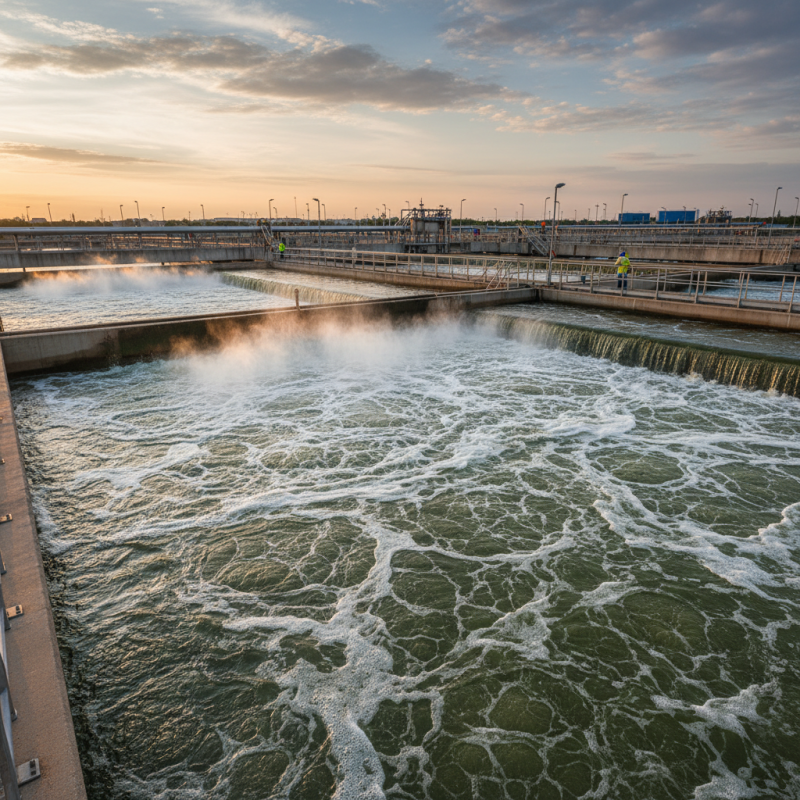
Overview of the Aeration Process in Wastewater Treatment
The aeration process is a crucial step in wastewater treatment. It involves introducing air into the wastewater to promote the growth of aerobic bacteria. These bacteria break down organic matter, making the water cleaner. According to the U.S. Environmental Protection Agency (EPA), over 70% of wastewater treatment plants employ some form of aeration.
Different methods exist for aeration. Mechanical aerators use physical agitation to incorporate air. Diffused aeration systems introduce air through submerged pipes. Each method has unique advantages and drawbacks. For instance, mechanical systems can be energy-intensive. Yet, diffused systems often have higher operational costs due to maintenance needs.
Despite advancements, challenges remain. Many plants struggle with achieving optimal aeration efficiency. Data from recent studies indicate that nearly 30% of facilities do not meet their intended aeration performance. This inefficiency can lead to increased operational costs and environmental regulatory issues. Constantly addressing these challenges is essential for sustainable wastewater management.
Types of Aeration Techniques Used in Wastewater Treatment
Aeration is a critical step in wastewater treatment. This process introduces air into the water. It promotes aerobic microbial activity that helps in breaking down organic pollutants. Various aeration techniques enhance efficiency and effectiveness. Understanding these methods is essential for improving treatment outcomes.
One common technique is activated sludge systems. These involve mixing wastewater with aerated sludge. Statistics show that this method can reduce biochemical oxygen demand (BOD) by 30-50%. The efficiency of this process relies heavily on the design of aeration tanks and the aerator's performance. Factors like oxygen transfer rates can significantly impact overall treatment.
Another method is surface aeration, which utilizes mechanical aerators. These devices agitate the water surface, promoting gas exchange. Research indicates that this method achieves satisfactory results for small to medium wastewater plants. However, it may struggle with larger volumes, often requiring additional support. Selecting the right aeration technique is vital for operational efficiency. Each method brings unique advantages and challenges. Balancing these factors plays a key role in effective wastewater management.
Mechanisms of Oxygen Transfer in Aeration
The aeration process in wastewater treatment is essential for biological purification. This process introduces oxygen into the water, facilitating the growth of aerobic bacteria. These bacteria metabolize organic pollutants, converting them into harmless substances.
Oxygen transfer is a critical aspect of aeration. Various mechanisms are involved, including bubbling, diffusion, and surface aeration. Diffusion occurs when oxygen moves from the air into the water. Bubbling generates small air bubbles, increasing the surface area for oxygen transfer. Surface aeration can be achieved through mechanical devices like paddle wheels. Each method has its efficiency, affected by factors like temperature and water composition.
However, challenges persist. Not all systems achieve optimal oxygen transfer rates. Some methods may lead to excessive energy consumption or create unwanted foam. Monitoring these processes is vital. Understanding the balance between cost, efficiency, and environmental impact is crucial for improving wastewater treatment methods.
Benefits of Aeration in Wastewater Management
Aeration is a vital process in wastewater treatment. It promotes the growth of aerobic microorganisms, which digest organic pollutants. This process is not simply a technical requirement; it has unique benefits that enhance wastewater management. According to the Environmental Protection Agency (EPA), effective aeration can reduce Biological Oxygen Demand (BOD) levels by as much as 90% in treatment facilities.
The significance of aeration extends beyond just reducing contaminants. It aids in nutrient removal, particularly nitrogen and phosphorus, which can cause eutrophication in water bodies. A report from the Water Environment Federation indicates that aerated systems can achieve up to 95% removal efficiency for these nutrients. However, the effectiveness of aeration systems depends on variables such as oxygen transfer rate and tank design. Poorly designed systems can lead to insufficient aeration, resulting in incomplete treatment.
Despite its advantages, the aeration process faces challenges. Excessive energy consumption is a major concern. Aeration typically accounts for 50-60% of the total energy costs in wastewater treatment. Addressing this issue requires continuous improvement in aeration technologies. Innovations, like fine bubble diffusers, offer promising results, yet adoption can be slow due to resource constraints. Investment in research and optimization strategies is crucial for maximizing aeration benefits in wastewater management.
Challenges and Considerations in the Aeration Process
Aeration is a critical process in wastewater treatment, essential for promoting the growth of aerobic microorganisms. These microorganisms help in breaking down organic matter. However, there are several challenges associated with the aeration process that demand careful consideration.
Energy consumption is a significant concern. Aeration systems can account for up to 60% of the total energy usage in wastewater treatment facilities. Many plants struggle with efficiency, as outdated systems often waste energy. The lack of real-time data monitoring can hinder optimal aeration levels. This leads to ineffective treatment and increased costs, prompting some facilities to rethink their approaches.
Another challenge is the potential for foaming and odor issues. Increased airflow can lead to surface foaming, which not only reduces the treatment capacity but can also create odor problems in nearby areas. The balance between providing adequate oxygen and managing these side effects remains a complex issue. Furthermore, adjusting aeration rates requires expertise and reflects a plant's commitment to operational excellence. These considerations highlight the need for innovative solutions and frequent assessments in aeration strategies for effective wastewater management.
Aeration Process in Wastewater Treatment
The aeration process is crucial in wastewater treatment, significantly impacting the efficiency of biological treatment. This chart illustrates key parameters measured during the aeration process. Observable trends in parameters like oxygen demand and mixed liquor suspended solids can inform operators about the effectiveness of aeration and guide adjustments to optimize treatment outcomes.

