- Ambawadi, Ahmedabad, Gujarat
- View Mobile Number

7 Best Plastic Injection Molding Presses for Global Buyers
Choosing a Plastic Injection Molding Press is not simply a matter of comparing tonnage or price. A press must suit the resin, mold, part geometry, and production volume. A small shop molding thin-wall housings may value fast cycles and precise control. A manufacturer producing large automotive components may need greater clamp force, platen space, and reliable automation. Details matter.
Scientific-molding expert John Bozzelli has long emphasized disciplined process control. As an editorial paraphrase of his approach: “Measure the process, not just the machine.” That distinction is useful when comparing equipment. A polished control panel cannot compensate for inconsistent shot size, poor repeatability, or a press that strains to hold the mold closed. Look beyond the brochure.
This guide examines seven presses for global buyers, from compact electric models to larger hybrid and hydraulic systems. It considers clamp force, injection capacity, energy use, service support, and practical fit—not just headline specifications. Buyers should also check local power requirements, spare-parts access, and technician availability before committing. Those details can be easy to overlook.
There is no universal winner. A lower-cost press may be sensible for stable, modest-volume work, yet costly if maintenance support is distant. Conversely, advanced controls may help reduce variation, but only when operators can use them well. That part is often underestimated. The comparisons ahead aim to clarify trade-offs and identify questions worth asking before a purchase.
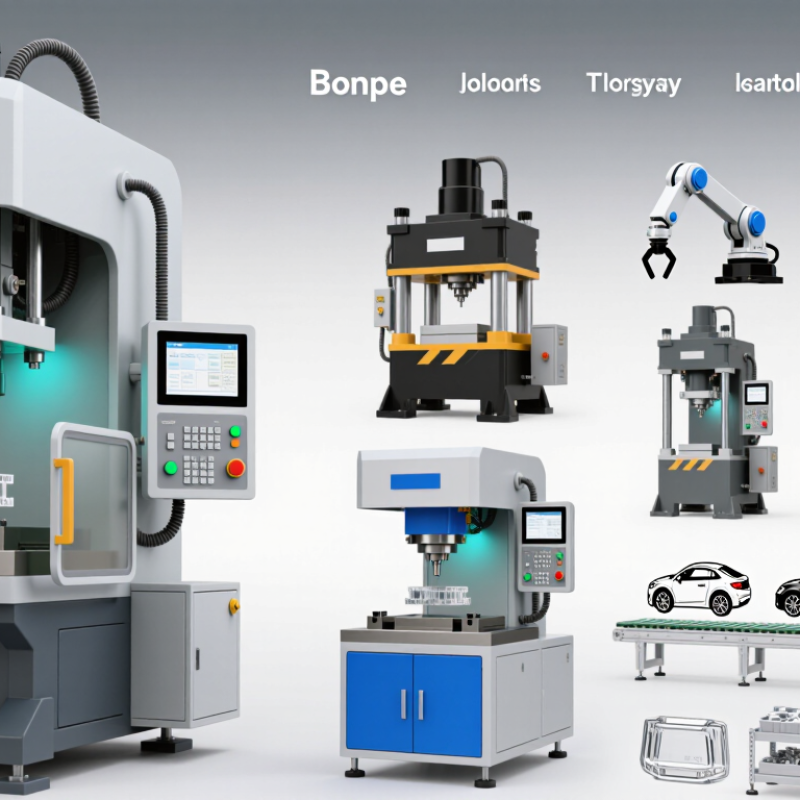
What Plastic Injection Molding Presses Do and How They Work
A plastic injection molding press makes parts by injecting molten plastic into a closed mold. In the heated barrel, a rotating screw melts and meters plastic pellets. It then pushes the melt through a nozzle into the mold cavity. The clamp holds the mold shut against injection pressure. After filling, the press applies holding pressure to reduce shrinkage as the part cools. Ejector pins release the cooled part. The cycle repeats. It sounds simple, but small changes in temperature or timing can affect the result.
Press selection depends on the part, resin, mold, and production target. Clamp force matters, but it is not a reliable shortcut by itself; part area, cavity count, and material behavior also matter. PlasticsEurope’s Plastics – the Fast Facts 2024 report puts global plastics production at 413.8 million tonnes in 2023. That figure shows the scale of plastics manufacturing, not the number of parts made by injection molding. For a buyer, compare hydraulic, all-electric, and hybrid presses by control needs, energy use, maintenance, and shot capacity. Check actual mold trials where possible. A specification sheet cannot reveal every production wrinkle.
7 Best Plastic Injection Molding Presses for Global Buyers — What They Do and How They Work
The options below represent common press configurations, not specific brands or models. Tonnage and shot-capacity figures are indicative industry ranges; actual capacity depends on machine design, resin, mold, and application.
| Press Type | Typical Clamping Force | Indicative Shot Capacity (Polystyrene Equivalent) | How It Works | Best-Fit Applications | Key Buying Considerations |
|---|---|---|---|---|---|
| 1. Compact Micro-Molding Press | 5–30 metric tons | Less than 1–30 g | A small injection unit plasticizes and injects a carefully controlled quantity of melt into a compact, precision mold. The clamping unit holds the mold closed during filling and cooling. | Small connectors, medical components, miniature gears, and precision technical parts. | Check minimum shot size, injection repeatability, mold compatibility, and the availability of suitable quality-control equipment. |
| 2. Small General-Purpose Hydraulic Press | 30–150 metric tons | Approximately 10–500 g | A hydraulic pump drives the injection and clamping functions. The screw melts and meters resin before moving forward to inject it into the closed mold. | Small household goods, caps, fittings, simple packaging components, and general-purpose parts. | Compare energy use, cycle time, hydraulic maintenance needs, tie-bar spacing, and available local service support. |
| 3. All-Electric High-Speed Press | 30–300 metric tons | Approximately 5–500 g | Servo-driven electric motors control movements such as injection, screw rotation, and mold opening and closing. Separate motion controls allow accurate, repeatable cycles. | Thin-wall packaging, precision components, clean production, and applications with frequent short cycles. | Assess required cycle speed, electrical supply, machine utilization, process monitoring, and the purchase-cost versus energy-cost trade-off. |
| 4. Hybrid Medium-Tonnage Press | 150–800 metric tons | Approximately 100 g–5 kg | A hybrid design combines electric drives for selected movements with hydraulic power for other functions. The exact arrangement varies by machine configuration. | Automotive components, appliance housings, technical parts, and mixed production runs. | Confirm which movements are electric or hydraulic, along with cycle requirements, service skills, energy consumption, and mold dimensions. |
| 5. Large Two-Platen Press | 800–5,000+ metric tons | Approximately 1–30+ kg | A two-platen clamping layout closes the mold without the conventional long tie-bar arrangement between moving and fixed platens. Hydraulic systems commonly generate clamping force. | Large automotive parts, appliance panels, crates, pallets, and other large molded components. | Check mold size and weight limits, platen dimensions, factory floor space, installation access, utility requirements, and handling equipment. |
| 6. Vertical Insert-Molding Press | 15–300 metric tons | Approximately 5–1,000 g | The mold closes vertically, allowing inserts to be placed in the mold before injection. Depending on the layout, an operator or automation system loads and removes the inserts. | Electrical terminals, threaded inserts, connectors, and components that combine plastic with metal parts. | Review insert-loading method, operator safety, automation compatibility, mold-table layout, and the required level of process control. |
| 7. Multi-Component (Multi-Color) Press | 100–2,000+ metric tons | Approximately 50 g to several kilograms total | Two or more injection units deliver different materials or colors into one mold. The mold may rotate, index, or use another transfer method between injection stages. | Two-color controls, soft-touch grips, sealed components, and parts combining rigid and flexible materials. | Verify the number and arrangement of injection units, material compatibility, mold-indexing method, process controls, and total shot capacity. |
