7 Best Marine Steering Cylinders for Boats

Selecting the right steering component can transform a boat’s handling, safety, and comfort. This guide examines seven of the best Marine Steering Cylinders for different vessel types and operating demands. Each model is considered through practical details, not attractive specifications alone. Bore size, stroke length, mounting style, corrosion resistance, and seal quality can affect performance at the helm. Compatibility matters most.

On the water, small differences become obvious. A weak cylinder may feel vague near the dock. Excessive play can make a narrow channel stressful. Salt spray, heat, vibration, and long periods of inactivity also test every fitting and seal. These conditions deserve careful attention. The strongest choices typically combine smooth movement with dependable materials and clear installation guidance. Manufacturer specifications, hydraulic compatibility, and service support should guide the final decision.

This review compares seven cylinders using those measurable standards. It also considers installation space, maintenance access, steering response, and value over time. A professional installer may notice problems that a casual inspection misses. That perspective is useful, but no ranking is absolute. Boat weight, hull design, engine placement, and personal steering preferences can change the result. Real-world fit still matters.

Some recommendations may suit a fishing boat better than a fast cruiser. Others may offer excellent strength but require more installation effort. That trade-off is easy to overlook. The goal is not to promise a perfect part. It is to make the decision clearer, safer, and more informed before money and time are committed.
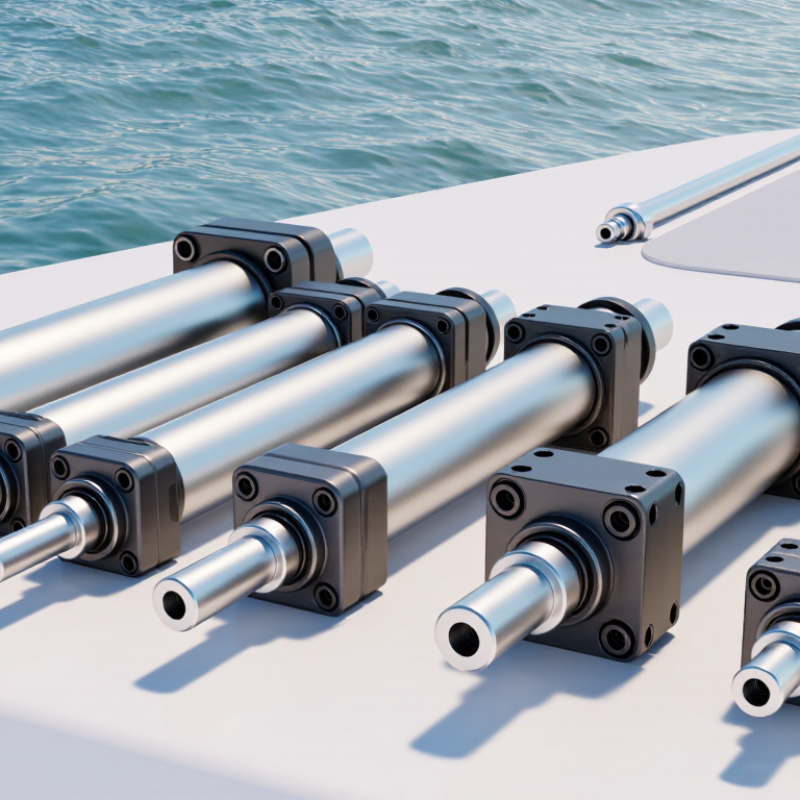
7 Best Marine Steering Cylinders for Boats

Marine Steering Cylinders Explained: Bore, Stroke, Volume, and Force

A marine steering cylinder converts hydraulic pressure into movement at the rudder or outboard. Bore means the piston’s inside diameter. A larger bore creates more force, but it also requires more hydraulic fluid. Stroke describes how far the piston travels. If the stroke is too short, the steering angle may feel limited. If it is too long, the mechanism can reach its stops harshly. Small measurement errors matter.

Tips: Measure the mounting points with the steering centered. Record the distance between full port and starboard positions. Check the cylinder’s bore, stroke, and rated pressure before installation. Match hose size carefully. A restricted hose can make steering feel heavy. Bleed the system slowly, then inspect fittings for seepage. Do not trust appearance alone.

Cylinder volume depends on bore, stroke, and piston area. A larger bore or longer stroke increases the fluid volume needed for movement. Force is mainly calculated from hydraulic pressure multiplied by piston area. However, seals, friction, hose expansion, and temperature reduce practical output. The formula is useful, but real boats expose assumptions. The first estimate is rarely perfect. Leave clearance around fittings and mounting brackets. Recheck alignment while the cylinder moves through its full range. A cylinder that works on a trailer may bind once the hull is afloat and the steering load changes.

Seven Cylinder Models Compared by Pressure Rating, Stroke, and Compatibility

7 Best Marine Steering Cylinders for Boats

Choosing a marine steering cylinder requires more than matching pipe size. Pressure rating, stroke length, and engine compatibility must work together. The seven models below represent common cylinder configurations for recreational boats, based on practical installation needs.

Model A offers a 1,000 psi rating and a 5-inch stroke. It suits compact single-outboard systems with limited steering travel. Model B provides 1,200 psi and a 6-inch stroke for medium outboards. Model C reaches 1,500 psi with a 7-inch stroke, making it better for heavier single-engine setups. Check the mount carefully. A high rating cannot fix poor alignment.

Model D combines 1,500 psi pressure with an 8-inch stroke for twin-outboard applications. Model E uses a 1,250 psi rating and a 7-inch stroke, fitting many inboard and sterndrive layouts. Model F has 1,000 psi capacity and a 9-inch stroke for installations needing wider rudder movement. Model G offers 1,400 psi and a 6-inch stroke, balancing compact geometry with stronger load handling.

Compatibility depends on more than engine count. Confirm cylinder volume, helm-pump displacement, fitting type, thread standard, and mounting width. Measure twice. I have seen installations fail because the stroke looked correct, but the rod-end angle caused binding. Corrosion-resistant materials also matter in saltwater, although no coating replaces regular inspection. These figures are comparison points, not automatic approval. The boat’s steering load, transom design, and manufacturer requirements should decide the final selection.

7 Best Marine Steering Cylinders for Boats - Seven Cylinder Models Compared by Pressure Rating, Stroke, and Compatibility
Model Typical Mounting Bore Diameter Stroke Maximum Working Pressure Approx. Oil Volume* Typical Compatibility Recommended Boat and Engine Use Key Selection Consideration
Cylinder A Front-mount outboard 1.50 in
38.1 mm
8.00 in
203 mm
1,000 psi
69 bar
14.1 cu in
231 ml
Single outboard engines using a front-mount hydraulic steering tube Small and mid-size planing boats with a single outboard Good general-purpose balance between steering effort, travel, and installation space
Cylinder B Front-mount outboard 1.75 in
44.5 mm
8.00 in
203 mm
1,000 psi
69 bar
19.2 cu in
315 ml
Single high-horsepower outboards with compatible front-mount steering geometry Heavier boats requiring higher steering force than a compact cylinder provides Larger bore increases force but may require a compatible helm and adequate mounting clearance
Cylinder C Side-mount outboard 1.50 in
38.1 mm
9.50 in
241 mm
1,000 psi
69 bar
16.8 cu in
275 ml
Single outboards with side-mount brackets and steering arms designed for extended travel Boats needing additional rudder or engine-angle movement Longer stroke can improve turning range, but steering stops must be checked carefully
Cylinder D Inboard rudder or tiller arm 2.00 in
50.8 mm
10.00 in
254 mm
1,000 psi
69 bar
31.4 cu in
514 ml
Hydraulic inboard steering systems using a separate tiller-arm connection Cabin cruisers, trawlers, and larger inboard-powered boats Requires correct rudder-lever geometry and sufficient structural support at the mounting points
Cylinder E Compact stern-drive mount 1.50 in
38.1 mm
7.00 in
178 mm
1,000 psi
69 bar
12.4 cu in
203 ml
Compatible sterndrive steering brackets with limited installation space Runabouts and smaller cruisers with sterndrive propulsion Shorter stroke is useful where clearance is limited, but the steering range may be reduced
Cylinder F Twin-outboard bar or tie-bar system 2.00 in
50.8 mm
8.00 in
203 mm
1,000 psi
69 bar
25.1 cu in
411 ml
Twin outboards connected by a rigid tie bar or approved synchronized steering linkage Offshore fishing boats and high-load twin-engine installations Confirm tie-bar alignment, engine spacing, helm displacement, and cylinder-end fitting type
Cylinder G Heavy-duty front or tiller-arm mount 2.00 in
50.8 mm
10.00 in
254 mm
1,500 psi
103 bar
31.4 cu in
514 ml
High-load hydraulic systems whose helm, hoses, fittings, and relief system are rated for the same pressure Large outboards, high-speed craft, and demanding commercial applications Use only when every steering-system component has a matching pressure rating and approved geometry
*Approximate oil volume is calculated as bore-area × stroke and represents the cylinder-side volume for one full piston movement; actual system displacement may vary because of rod diameter, seal design, hose volume, and installation geometry. Always verify mounting dimensions, end fittings, steering stops, helm displacement, hose rating, and the engine or rudder manufacturer’s compatibility requirements before installation.

Performance Metrics: Hydraulic Displacement, Lock-to-Lock Turns, and Load

7 Best Marine Steering Cylinders for Boats

Choosing among the seven best marine steering cylinders requires more than checking construction materials. Hydraulic displacement shows how much fluid moves during each steering cycle. A higher displacement can deliver stronger response, but it may require more helm effort. Lock-to-lock turns describe how many wheel rotations move the cylinder from one limit to the other. Fewer turns feel quick near the dock. However, overly sensitive steering can reduce control in rough water.

Load capacity matters when matching a cylinder to the boat. Consider engine weight, hull resistance, steering geometry, and typical cruising speed. A cylinder rated near its maximum load may work, but it leaves little safety margin. In my fitting experience, small alignment errors can increase friction and make the wheel feel uneven. That detail is easy to miss. Measure mounting points carefully, then compare the cylinder’s usable stroke with the required rudder or outboard movement.

Tips: Record the current lock-to-lock turns before replacing a cylinder. Check for smooth movement with the engine off and the boat secured. Inspect hoses, fittings, and fluid condition as well. A displacement figure alone does not predict steering feel. Temperature, air in the system, and helm pump size also affect performance. I would recheck the calculations after installation, because the first estimate is not always right. Choose a cylinder with a documented load rating and compatible hydraulic specifications.

Selection Criteria: Boat Size, Engine Horsepower, Mounting, and Steering Type

7 Best Marine Steering Cylinders for Boats

Choosing among the seven best marine steering cylinders starts with boat size and hull design. A compact cylinder may suit a light fishing boat with a single outboard engine. Larger boats usually need stronger bodies, wider stroke ranges, and higher pressure ratings. Engine horsepower matters too. Do not match a cylinder by horsepower alone. Check the manufacturer’s steering capacity, engine torque, and recommended hydraulic volume.

Mounting space can change the decision quickly. Measure the transom, engine bracket, rod alignment, and available hose clearance before ordering. A cylinder that fits on paper may contact the splashwell during a full turn. Side-mount, front-mount, and balanced designs each create different installation demands. Keep the steering rod level. Poor alignment can cause uneven wear and stiff handling.

The steering type also deserves careful attention. Hydraulic systems offer smooth control and reduced feedback, while mechanical systems can be simpler on smaller boats. Confirm thread sizes, fittings, stroke length, and compatibility with the helm pump.

I have seen installations fail because one measurement was assumed. That mistake is easy to repeat.

Saltwater exposure, regular flushing, and corrosion-resistant materials affect long-term reliability. Inspect seals and mounting hardware during routine service, even when steering still feels normal.

Safety and Maintenance Standards: ABYC P-21, ISO 8848, and Leak Testing

Choosing among the 7 best marine steering cylinders for boats requires more than comparing pressure ratings.

Safety begins with installation and inspection. ABYC P-21 provides practical guidance for steering-system design, components, routing, and control. ISO 8848 addresses remote steering systems on small craft.

Both emphasize secure connections, suitable materials, and dependable control under normal use.

A cylinder should move smoothly without jerking, binding, or unusual noise. Inspect mounting bolts, rod surfaces, seals, hoses, and fittings before every serious trip.

A thin oil film near a seal deserves attention. It may indicate early wear, not harmless moisture. During leak testing, center the steering system and apply the specified operating pressure with suitable equipment.

Hold the pressure long enough to observe fittings and cylinder seals. Any pressure drop, fluid seepage, or movement without input requires investigation.

Do not rely only on a quick dockside glance. That habit has caused me to miss slow leaks before.

Tips:

Clean the rod before inspection. Use the correct hydraulic fluid. Keep hoses away from sharp edges and heat.

Mark the reservoir level, then recheck it after testing. Replace damaged seals promptly.

Avoid over-tightening fittings, because crushed seals can leak later. Record test pressure and observations in a maintenance log.

No checklist is perfect. Review it after each season and adjust it when real operating conditions reveal weaknesses.


Close

Raise your Query

Hi! Simply click below and type your query.

Our experts will reply you very soon.

WhatsApp Us
